Undiagnosed High Blood Pressure Affects Millions in England
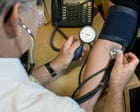
Millions of English Adults Living with Undiagnosed High Blood Pressure
A comprehensive national study has uncovered a concerning health crisis across England: millions of residents remain completely unaware they are suffering from undiagnosed high blood pressure, a condition commonly referred to as the "silent killer." The research reveals that the current approach to managing hypertension is fundamentally inadequate, leaving the population vulnerable to serious cardiovascular complications.
The findings indicate that undiagnosed high blood pressure affects a staggering proportion of the English population, with 59% of all hypertension cases going completely undetected. This alarming statistic suggests that the health system's screening and diagnostic procedures are failing to identify individuals at critical risk before the condition escalates into dangerous complications.
Treatment Effectiveness Falls Short of National Standards
Among those who have been diagnosed and are receiving treatment from their general practitioners for high blood pressure, the outcomes are equally troubling. Research demonstrates that only approximately 50% of patients currently undergoing GP treatment actually have their hypertension adequately controlled. This means that even among individuals receiving active medical intervention, half remain in a state of uncontrolled blood pressure, significantly elevating their cardiovascular risk profile.
Healthcare professionals and researchers argue that the existing framework for managing high blood pressure throughout England is fundamentally "not fit for purpose." The current system fails to identify undiagnosed cases effectively while simultaneously struggling to achieve adequate control in diagnosed patients already engaged with medical services.
Serious Health Consequences of the Silent Killer
The implications of undiagnosed high blood pressure extend far beyond mere clinical statistics. Individuals with undetected hypertension face substantially elevated risks of experiencing catastrophic cardiovascular events. The silent killer condition dramatically increases the likelihood of stroke, myocardial infarction, chronic kidney disease, and premature mortality.
Without proper identification and management, high blood pressure operates insidiously within the body, gradually damaging blood vessels and organs without producing noticeable symptoms. This characteristic silence is precisely why the condition earned its ominous nickname, as many sufferers remain completely unaware of their dangerous health status until a severe event occurs.
The Largest Study Reveals Systemic Failures
This comprehensive research represents the largest investigation of its kind to examine undiagnosed high blood pressure prevalence and treatment effectiveness in England. The scale and scope of the study provide robust evidence of widespread systematic failures in how the nation's healthcare system approaches hypertension screening, diagnosis, and ongoing management.
The research methodology involved extensive population sampling and rigorous cardiovascular risk assessment protocols. Scientists examined not only the proportion of undiagnosed cases but also analyzed treatment outcomes among diagnosed patients, revealing a two-pronged crisis affecting both detection rates and therapeutic effectiveness.
Current Screening and Diagnostic Approaches Require Overhaul
Experts are calling for a fundamental reassessment of how England's healthcare system identifies individuals with undiagnosed high blood pressure. The present screening infrastructure appears inadequate to detect nearly 60% of all hypertension cases, suggesting that routine primary care consultations and standard check-up procedures are missing countless at-risk individuals.
The research emphasizes that improved early detection mechanisms must be implemented nationwide. This could involve more frequent blood pressure monitoring in community settings, enhanced patient education regarding hypertension risk factors, and expanded screening initiatives targeting high-risk demographic groups.
Implications for Public Health Policy
The findings regarding undiagnosed high blood pressure carry profound implications for England's public health strategy and resource allocation. If nearly 60% of hypertension cases escape detection, the actual disease burden affecting the population is substantially underestimated in current health statistics.
This research underscores the urgent need for policy interventions aimed at improving both the detection and management of high blood pressure nationwide. Healthcare officials must address the systemic gaps that allow undiagnosed high blood pressure to persist undetected while simultaneously improving treatment outcomes for diagnosed patients.
The study serves as a critical wake-up call for the English healthcare system, demanding immediate action to prevent the millions of preventable strokes, heart attacks, and premature deaths attributable to inadequately managed hypertension.