Unnecessary Breast Removals at NHS Trust: 20 Women Affected
Unnecessary Breast Removal: A Critical NHS Safety Concern
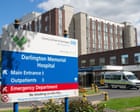
An alarming situation has come to light regarding unnecessary breast removal procedures at a major NHS healthcare facility in north-east England. The County Durham and Darlington foundation trust (CDDFT) has confirmed that twenty women underwent unnecessary breast removal while receiving cancer treatment, marking a serious breach in patient care standards. This revelation represents only a portion of the broader harm that affected hundreds of patients treated at the trust's breast unit.
Scope of the Patient Safety Crisis
The unnecessary breast removal cases documented at CDDFT highlight systemic issues within the breast oncology department. Beyond the twenty women who had their breasts removed without clinical justification, the trust acknowledges that hundreds of additional patients experienced various forms of harm during their treatment journey. This widespread pattern suggests deeper problems with clinical decision-making, surgical protocols, and oversight mechanisms within the facility.
The disclosure represents one of the most significant patient safety failures to emerge from an NHS trust in recent years, raising urgent questions about quality control measures and the adequacy of surgical review processes. Patients who sought treatment for breast cancer instead encountered procedures that caused lasting physical and psychological trauma.
Investigation and Clinical Implications
The discovery of unnecessary breast removal cases has prompted investigations into how such errors occurred within a healthcare institution entrusted with cancer treatment responsibilities. Clinical experts have emphasized that proper diagnostic protocols and multidisciplinary team reviews should prevent such outcomes. The fact that multiple instances of unnecessary breast removal went undetected suggests potential failures in peer review mechanisms and quality assurance frameworks.
Healthcare professionals specializing in breast oncology have indicated that unnecessary breast removal represents a fundamental deviation from evidence-based cancer treatment. Modern protocols require rigorous assessment and second opinions before recommending mastectomy procedures, particularly in cases where less invasive treatment options might be appropriate.
Impact on Affected Patients
Women who experienced unnecessary breast removal at the NHS trust face significant physical and emotional consequences. Beyond the surgical trauma, patients must navigate reconstructive procedures, long-term medical monitoring, and substantial psychological impact. Many affected women reported receiving inadequate explanations for their procedures and felt their concerns were dismissed during treatment.
The aftermath of unnecessary breast removal extends beyond immediate medical complications. Patients struggle with body image changes, impaired quality of life, and diminished confidence. Support services for affected individuals have proven insufficient, leaving many women without adequate counseling or therapeutic resources to address the psychological impact of their experiences.
Institutional Accountability and Response
The County Durham and Darlington foundation trust has begun addressing the situation, though critics argue that responses have been slow and insufficient. Affected patients deserve transparent communication, comprehensive compensation, and assurances that systemic failures will be remedied. The trust's leadership must demonstrate concrete changes to prevent similar incidents.
Healthcare regulators have intensified oversight of the facility, with particular attention to surgical decision-making processes and the qualifications of personnel involved in breast cancer treatment. The trust faces mounting pressure to implement robust quality improvement measures and establish independent review mechanisms.
Broader NHS System Concerns
The unnecessary breast removal cases at CDDFT raise questions about similar issues potentially occurring at other NHS facilities. This incident underscores the importance of standardized protocols, mandatory peer review, and whistleblower protections throughout the NHS system. Healthcare organizations must prioritize patient safety over efficiency metrics and financial considerations.
Experts have called for comprehensive audits of breast cancer treatment outcomes across multiple NHS trusts to identify and address any patterns of unnecessary procedures. Enhanced training for surgical teams and stricter adherence to clinical guidelines could prevent future unnecessary breast removal cases.
Moving Forward: Ensuring Patient Safety
Rebuilding trust between patients and the NHS requires demonstrable commitment to preventing similar incidents. Transparent reporting mechanisms, swift compensation for affected patients, and implementation of enhanced oversight protocols are essential. The trust must engage with patient advocacy groups and involve affected women in designing new safeguards.
The unnecessary breast removal scandal serves as a critical reminder that healthcare institutions must prioritize patient welfare above all considerations. Moving forward, the NHS must ensure that every breast cancer patient receives care based on evidence-based practices, appropriate oversight, and genuine commitment to minimizing harm.