UK Approves Jackdaw Gas Field: Major Energy Shift

Understanding the Jackdaw Gasfield Approval and Its Significance
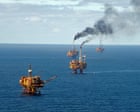
The Jackdaw gasfield approval represents a pivotal moment in British energy infrastructure and policy. After a lengthy approval process spanning nearly four years and involving six different energy secretaries, the Jackdaw gasfield has finally received official consent to commence operations. Located approximately 150 miles northeast of Aberdeen in the North Sea, this gas extraction project is poised to transform the UK's energy landscape and influence multiple sectors of the national economy.
This decision regarding the Jackdaw gasfield approval carries substantial weight for several key stakeholders, including households facing energy price pressures, businesses seeking economic stability, and environmental advocates concerned about climate commitments. The approval process has been contentious, with significant debate surrounding its environmental implications and compatibility with the UK's climate targets.
Impact on Household Energy Costs
One of the most immediate concerns for British consumers involves the potential effects of the Jackdaw gasfield approval on domestic energy expenses. Energy bills have remained a critical issue for millions of UK residents, with price caps and fluctuating market conditions creating financial uncertainty. Proponents of the project argue that increased domestic gas production could contribute to energy security and potentially moderate prices by reducing dependence on imported natural gas from volatile international markets.
The extracted gas from the Jackdaw gasfield is expected to supply approximately 2% of UK annual demand, which could help stabilize domestic energy markets. However, the extent to which this production will directly translate into lower bills for consumers remains a subject of considerable debate among energy analysts and economists.
Economic Implications and Regional Development
The Jackdaw gasfield approval carries significant economic ramifications for the United Kingdom. The project is anticipated to generate substantial investment in infrastructure, technology, and employment opportunities, particularly within Scotland's energy sector. Employment creation during both construction and operational phases could provide economic stimulus to the regional economy surrounding Aberdeen, traditionally dependent on oil and gas industries.
Furthermore, the project is expected to generate revenue through taxation and licensing agreements, contributing to the government's fiscal position. The energy industry infrastructure supporting the Jackdaw gasfield could potentially attract additional investment in North Sea operations and related technologies, creating a multiplier effect throughout the broader energy sector.
Climate Considerations and Environmental Concerns
The Jackdaw gasfield approval has generated substantial controversy among climate scientists, environmental organizations, and climate-conscious policymakers. Critics argue that approving new gas production contradicts the UK's commitments under international climate agreements and domestic net-zero legislation. The extraction and combustion of natural gas contribute to greenhouse gas emissions, and opponents contend that resources should prioritize renewable energy development instead.
Supporters counter that delaying domestic production merely shifts consumption to imported gas with potentially higher carbon footprints due to transportation emissions. The Jackdaw gasfield, they argue, represents a pragmatic interim solution as the UK transitions toward renewable energy sources, acknowledging that natural gas will continue playing a role in the energy mix during the transition period.
Political Ramifications and Policy Direction
The Jackdaw gasfield approval reflects significant political tensions within the Labour government, as the decision has triggered internal debate regarding climate commitments and energy security priorities. Andy Burnham and other political figures have expressed concerns about the decision's alignment with climate goals, creating what observers describe as a climate revolt within the party structure.
This policy decision signals the government's prioritization of energy security and economic considerations alongside environmental objectives, demonstrating the complex balancing act required in contemporary energy policy. The approval suggests that, despite climate commitments, practical energy infrastructure development continues to influence government decision-making.
Long-term Energy Strategy Implications
The Jackdaw gasfield approval must be understood within the broader context of the UK's energy strategy. As renewable energy capacity expands through wind, solar, and other technologies, natural gas is expected to provide crucial baseload power and backup capacity. The Jackdaw gasfield fits within this transitional framework, supplying domestic gas production as the energy system undergoes fundamental transformation.
Looking forward, the project's success or challenges could influence future decisions regarding additional North Sea developments and the pace of renewable energy integration. The Jackdaw gasfield approval establishes precedent for how the UK government evaluates competing priorities between economic development, energy security, and climate responsibility.
Conclusion: Weighing Competing Priorities
The Jackdaw gasfield approval encapsulates the multifaceted challenges confronting modern energy policy. The decision reflects genuine tensions between supporting economic growth and employment, ensuring reliable energy supplies, moderating household costs, and advancing climate objectives. Whether this decision ultimately proves beneficial depends partly on implementation success and partly on how rapidly renewable alternatives can scale to replace fossil fuel infrastructure.