RAF Typhoon Jets Deploy to Shield Saudi Arabia
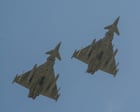
RAF Typhoon Deployment to Saudi Arabia
The United Kingdom has committed to a significant military operation involving RAF Typhoon fighter jets stationed to provide defensive coverage for Saudi Arabia against threats posed by Yemen-based Houthi forces. This deployment represents a substantial escalation in Western military involvement within the region and marks a pivotal moment in UK defence policy under Prime Minister Andy Burnham's administration.
RAF Typhoon aircraft will undertake aerial patrols and defensive missions across major Saudi Arabian population centers and vital economic infrastructure. The operation aims to intercept and neutralize hostile missile systems and unmanned aerial vehicles launched by Houthi militants, who have demonstrated increasing capability in targeting sensitive installations throughout the kingdom.
Operational Scope and Strategic Objectives
The deployment of RAF Typhoon units represents the most substantial military commitment approved during the current government's tenure. British pilots will assume responsibility for maintaining air superiority and executing combat missions designed to counter airborne threats emanating from Yemen's Houthi movement. These protective operations extend across multiple strategic locations, including populated urban areas and critical infrastructure installations essential to Saudi Arabia's national interests.
The Houthi attacks have previously targeted Saudi airports and petroleum production facilities, causing significant disruption to regional commerce and aviation operations. The RAF Typhoon deployment aims to establish a defensive umbrella capable of detecting, tracking, and intercepting these threats before they reach their intended targets.
Escalating Regional Conflict Dynamics
The decision to deploy RAF Typhoon fighter jets reflects the broader pattern of Western military escalation in response to Houthi aggression. Allied nations have increasingly recognized the need for coordinated defensive measures to protect critical regional assets and maintain stability in the Arabian Peninsula. This operation signals the United Kingdom's commitment to supporting Saudi Arabian security objectives while addressing the growing sophistication of Houthi military capabilities.
The RAF Typhoon missions will operate in coordination with existing Saudi Arabian defence systems, creating a layered protective strategy against diverse aerial threats. British aviation personnel will work alongside international partners to establish comprehensive surveillance and interception protocols designed to neutralize hostile activities before they pose danger to civilian populations or economic infrastructure.
Military and Political Implications
This deployment of RAF Typhoon aircraft carries significant implications for UK military posture in the Middle East region. The operation demonstrates Britain's willingness to commit substantial aerial assets to defend strategic allies against non-state actors wielding increasingly sophisticated weaponry. The mission reflects evolving security challenges where conventional air defence systems require supplementation through active fighter jet interventions.
Prime Minister Andy Burnham's approval of this RAF Typhoon deployment represents a decisive moment in British defence policy, authorizing one of the most comprehensive military operations initiated under the current administration. The decision balances support for regional allies with considerations regarding broader Middle Eastern stability and international coalition objectives.
Houthi Threat Assessment
Yemen's Houthi forces have demonstrated remarkable capability in developing and deploying advanced missile and drone systems targeting distant objectives across the Arabian Peninsula. Previous attacks on Saudi airports and petroleum infrastructure have highlighted the technological advancement of Houthi capabilities and their determination to continue offensive operations. The deployment of RAF Typhoon fighter jets addresses these evolving threats through enhanced aerial defence capacity.
The RAF Typhoon aircraft are specifically equipped and configured for rapid response interception missions, enabling British pilots to engage aerial targets with precision and effectiveness. The defensive posture established through this deployment aims to create sufficient deterrent effect while maintaining capacity for sustained protective operations across extended geographical areas within Saudi Arabia.
Future Operational Prospects
The RAF Typhoon deployment establishes a long-term defensive framework for protecting Saudi Arabian interests against continuing Houthi threats. As the regional conflict evolves, RAF Typhoon operations may require adaptation and expansion to address emerging tactical challenges. The commitment of British military aviation resources underscores the strategic importance Western nations place on Arabian Peninsula security and regional stability maintenance.
This operation involving RAF Typhoon fighter jets represents a watershed moment in contemporary British military intervention, demonstrating sustained commitment to supporting regional allies against non-conventional security threats within the Middle Eastern context.