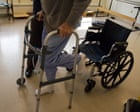
Stroke Survivors Struggle: Only 6.4% Get Adequate Therapy

Alarming Therapy Gap Revealed in Stroke Survivor Report
A comprehensive investigation has uncovered a significant disparity in stroke survivors therapy provision across the healthcare system. According to findings released by the Stroke Association, merely 6.4% of individuals recovering from stroke episodes are receiving the recommended therapeutic interventions necessary to optimize their recovery potential. This startling statistic represents fewer than one patient in every fifteen, highlighting a systemic challenge within rehabilitation services.
The shortage of stroke survivors therapy represents what organization representatives describe as a damning failure of current healthcare infrastructure. Patients who suffer cerebrovascular events require intensive rehabilitative support to regain lost physical capabilities and restore cognitive function. When adequate therapy resources remain unavailable, the consequences extend far beyond immediate recovery periods, potentially affecting long-term quality of life and functional independence.
Impact on Physical and Mental Recovery
The lack of comprehensive rehabilitation for stroke survivors directly undermines their prospects for meaningful recovery. Physical therapy programs are essential for restoring mobility, strength, and motor control following neurological damage. Similarly, cognitive rehabilitation addresses memory, concentration, and processing difficulties that commonly emerge after stroke events. Mental health support proves equally critical, as depression and anxiety frequently accompany the physical challenges of recovery.
When stroke survivors therapy access remains limited, patients face compounded difficulties in their rehabilitation journey. The Stroke Association emphasized that widespread rehabilitation deficiencies create barriers preventing individuals from reclaiming physical autonomy and mental wellbeing. Recovery trajectories worsen when therapeutic intervention occurs sporadically rather than through sustained, evidence-based programs designed to address each patient's unique recovery needs.
Healthcare System Challenges and Resource Constraints
The report's findings reflect broader challenges within NHS service delivery and resource allocation. Rehabilitation services face competing demands, budget constraints, and staffing limitations that restrict the intensity and duration of therapy provision. Healthcare administrators must balance immediate acute care priorities with longer-term recovery support, often resulting in insufficient allocation toward post-acute rehabilitation programs.
Stroke survivors therapy gaps emerge not from deliberate policy decisions but from systemic resource pressures affecting rehabilitation departments nationwide. Physical therapists, occupational therapists, and speech pathologists operate within constrained capacity, limiting their ability to provide each patient with optimal treatment frequency and duration. The disparity between recommended therapy standards and actual provision reflects these structural limitations.
Long-Term Consequences of Inadequate Rehabilitation
The implications of insufficient stroke survivors therapy extend throughout patients' lives. Those receiving minimal rehabilitation support frequently plateau earlier in their recovery, missing windows of opportunity when neuroplasticity enhances therapeutic effectiveness. Reduced physical function often leads to increased isolation, decreased quality of life, and heightened psychological distress among survivor populations.
The Stroke Association's report demonstrates that the current rehabilitation approach fails to maximize recovery potential for vulnerable patient populations. Early, intensive therapy during critical recovery windows significantly improves outcomes, yet the majority of stroke survivors therapy access remains inadequate. This mismatch between clinical evidence and service provision represents a significant public health concern requiring urgent policy attention and resource reallocation.
Pathway Forward for Improved Services
Addressing the stroke survivors therapy shortage demands comprehensive healthcare system reform. Increased funding for rehabilitation services, expanded staffing in therapy disciplines, and enhanced care coordination across providers could substantially improve outcomes. Stroke Association recommendations emphasize the necessity of aligning NHS resource allocation with evidence-based best practices for post-stroke recovery.
Policy makers face mounting pressure to prioritize rehabilitation services within healthcare planning. The report's stark findings provide compelling evidence that current approaches inadequately serve stroke survivor populations. Investment in comprehensive, sustained therapy programs represents not merely a healthcare improvement but an essential component of compassionate, effective stroke care delivery.