Revolutionary Microscope 'Curie' Offers Hope for Incurable Bowel Disease
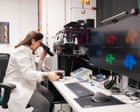
Breakthrough Technology in Gastrointestinal Research
Researchers have developed an innovative microscope designed to unlock the mysteries surrounding incurable bowel disease, offering renewed hope to millions affected worldwide. This groundbreaking instrument, known as 'Curie,' represents a significant leap forward in medical imaging technology and could fundamentally change our understanding of debilitating gastrointestinal conditions.
The rising prevalence of incurable bowel disease among younger populations has prompted urgent calls for advanced diagnostic and research tools. The new microscopy system addresses this critical need by providing unprecedented visual clarity at the cellular level, potentially enabling scientists to identify disease mechanisms that have remained elusive using traditional methods.
Understanding Inflammatory Bowel Disease in the UK
The United Kingdom faces a substantial public health challenge related to inflammatory bowel conditions. Current statistics indicate that more than half a million individuals across the country are managing inflammatory bowel disease (IBD), representing a significant portion of the population living with chronic gastrointestinal conditions. Among these cases, two primary manifestations dominate the clinical landscape: Crohn's disease and ulcerative colitis.
Both conditions are characterized by chronic inflammation affecting different sections of the digestive tract. Crohn's disease can impact any area from the mouth to the rectum, while ulcerative colitis primarily affects the colon and rectum. These conditions impose considerable physical, emotional, and economic burdens on patients and healthcare systems alike.
The Revolutionary Capabilities of Curie Microscopy
Unlike conventional microscopy systems, the Curie microscope operates at exceptional magnification levels—specifically 10 times greater resolution than standard imaging technologies currently available. This tenfold increase in clarity enables researchers to observe cellular structures and biological processes at scales previously impossible to visualize directly.
The enhanced resolution capability transforms how scientists can examine tissue samples from patients with incurable bowel disease. At such detailed magnification levels, previously invisible pathological changes, cellular interactions, and inflammatory processes become clearly visible, opening new avenues for research and discovery.
This technological advancement promises to accelerate the pace of medical research by providing researchers with clearer images of disease mechanisms. When scientists can see exactly how cells behave during inflammatory processes, they gain crucial insights that could lead directly to innovative therapeutic interventions.
Implications for Treatment Development
The introduction of such advanced imaging technology carries profound implications for patients suffering from incurable bowel disease. By revealing the fundamental mechanisms driving these conditions, researchers may identify previously unknown therapeutic targets. This understanding could catalyze the development of entirely new treatment approaches, potentially transforming outcomes for individuals with Crohn's disease, ulcerative colitis, and other related conditions.
Current treatment options for incurable bowel disease primarily focus on managing symptoms and controlling inflammation, but do not address underlying disease causes. The detailed cellular insights provided by Curie microscopy could enable researchers to target the root pathological processes, potentially leading to disease-modifying therapies or even preventive strategies.
Global Context of Rising Bowel Disease Incidence
The concerning trend of increasing incurable bowel disease prevalence extends beyond the United Kingdom to affect young people across the globe. Epidemiological data demonstrates consistent growth in IBD diagnoses among adolescents and young adults in developed nations, alongside rising rates in developing countries following Western lifestyle adoption.
This expanding epidemic underscores the urgent need for research innovation and better understanding of disease etiology. The deployment of advanced technologies like the Curie microscope addresses this pressing need by providing the scientific infrastructure necessary for breakthrough discoveries.
Future Prospects for Medical Innovation
The development and implementation of the Curie microscope represents a pivotal moment in gastrointestinal research. As researchers utilize this powerful tool to examine tissues from individuals with incurable bowel disease, they will generate unprecedented insights into cellular pathology, inflammatory mechanisms, and disease progression patterns.
These findings may catalyze a cascade of innovations in treatment strategies, diagnostic methods, and preventive approaches. By understanding the precise cellular basis of conditions like Crohn's disease and ulcerative colitis, pharmaceutical companies and academic institutions can design targeted interventions with greater specificity and efficacy.
The microscope's potential impact extends beyond individual patient care to inform public health strategies and resource allocation in healthcare systems managing large populations with incurable bowel disease. Enhanced understanding of disease mechanisms could guide preventive initiatives and early intervention programs designed to slow disease progression and improve quality of life for affected individuals.