UK Emergency Stockpile Campaign Drives Bottled Water Sales Surge
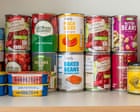
Bottled Water Sales Surge Amid UK Emergency Preparedness Push
The United Kingdom has witnessed a dramatic increase in bottled water sales following an official government campaign encouraging households to prepare for potential emergencies. Retailers across the nation report unprecedented demand for essential supplies, with the surge reflecting public response to the Be Ready initiative launched by authorities to enhance national emergency preparedness.
This bottled water sales surge represents a significant shift in consumer behavior, as families rush to stockpile goods ahead of potential infrastructure disruptions or severe weather events. The government's strategic recommendation has prompted retailers to increase inventory levels and extend their emergency supply sections to accommodate the heightened demand.
The Be Ready Campaign: Government's Emergency Preparedness Initiative
The Be Ready campaign was officially introduced with a comprehensive mandate: encouraging UK households to maintain emergency supplies sufficient for 72 hours of self-sufficiency. This governmental initiative addresses growing concerns regarding potential cyber-attacks, extreme weather conditions, and infrastructure vulnerabilities that could disrupt essential services nationwide.
Government officials emphasized the importance of household preparedness, positioning the campaign as a critical step toward national resilience. The initiative recommends that families assemble emergency kits containing essential items beyond bottled water, creating a framework for comprehensive household readiness against unforeseen crises.
Retail Impact: Beyond Bottled Water and Tinned Foods
Retailers report that the impact of the Be Ready campaign extends far beyond bottled water sales surge and tinned food popularity. Stores have noted extraordinary increases in purchases across multiple emergency supply categories, fundamentally reshaping inventory management and consumer shopping patterns.
Wind-up radios have become particularly sought-after items, with consumers recognizing their value for receiving emergency broadcasts without electrical dependency. Similarly, torches and flashlights representing reliable backup lighting solutions have experienced remarkable sales increases, reflecting household awareness of potential power disruptions.
Product Categories Experiencing Demand Growth
Tinned and preserved foods dominate the emergency supply trend, offering shelf-stable nutrition without refrigeration requirements. First aid kits, portable batteries, and water purification tablets have also attracted significant consumer attention as households construct comprehensive emergency provisions.
Retailers indicate that younger demographics and families with children demonstrate particularly strong purchasing patterns, suggesting that the government's campaign has effectively resonated across diverse population segments.
Consumer Response and Market Trends
The bottled water sales surge demonstrates the government's successful messaging regarding emergency preparedness. Market analysts suggest that consumer confidence in official health and safety recommendations has translated directly into tangible retail demand, creating opportunities for emergency supply retailers while challenging inventory management systems.
Supply chain specialists note that widespread purchasing patterns, initially concentrated in metropolitan areas, have rapidly expanded to rural and suburban regions. This geographic distribution indicates comprehensive public engagement with the Be Ready campaign messaging across all demographic segments.
Emergency Preparedness: Planning for Uncertainties
The government's emphasis on 72-hour household self-sufficiency reflects professional emergency management protocols recommended by international safety organizations. This timeframe allows governmental resources to mobilize effectively while enabling families to maintain basic sustenance and security independently.
Security experts acknowledge that infrastructure vulnerabilities have increased globally, making civilian preparedness initiatives increasingly relevant to modern risk management. The UK's systematic approach to household emergency planning represents a contemporary adaptation to contemporary security challenges including cyber-threats and environmental risks.
Implications for UK Infrastructure and National Security
The bottled water sales surge and broader emergency supply purchasing patterns signal heightened public awareness regarding potential infrastructure vulnerabilities. This collective consumer response may strengthen overall national resilience by distributing emergency resource stockpiles throughout residential communities, reducing concentrated dependency on centralized supply systems during crisis scenarios.
Government officials have framed the campaign as a proactive measure supporting both individual household security and broader national preparedness objectives. The visible retail response validates this strategic approach to emergency management, demonstrating that clear governmental guidance effectively mobilizes citizen participation in collective security efforts.
Looking Forward: Sustained Emergency Awareness
The bottled water sales surge initiated by the Be Ready campaign may establish lasting changes in household purchasing habits and emergency preparedness consciousness. Consumer behavior patterns suggest that public engagement with emergency planning messaging continues strengthening, potentially establishing new baseline expectations for household emergency readiness across the United Kingdom.