Oil Prices Drop as Strait of Hormuz Reopening Talks Progress
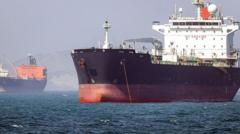
Oil Prices Fall on Strait of Hormuz Reopening Prospects
Global crude markets experienced a significant downturn this week as optimistic developments surrounding the Strait of Hormuz reopening gained momentum. The potential resumption of maritime routes through this critical chokepoint has sparked renewed interest among international traders and policymakers seeking to stabilize volatile energy markets.
The Strait of Hormuz reopening represents a pivotal moment for global energy security and economic stability. Officials from the United States have taken leading roles in facilitating these crucial negotiations, with indications that substantial progress has been achieved in recent diplomatic discussions.
US Officials Confirm Diplomatic Breakthrough
US Secretary of State Marco Rubio announced that negotiations have reached an advanced stage, with deliberations now focusing on practical mechanisms to restore normal maritime operations. His statements suggest that previously identified obstacles have been substantially addressed through intensive multilateral dialogue.
Treasury Secretary Scott Bessent reinforced these optimistic assessments, indicating that financial and logistical frameworks necessary for renewed shipments are being finalized. Bessent emphasized that coordinated efforts between government agencies have yielded tangible progress toward establishing conditions favorable for commerce resumption.
Market Response to Shipping Negotiations
The announcement of advancing talks regarding the Strait of Hormuz reopening prompted immediate reactions across commodities exchanges worldwide. Energy traders responded by reducing their exposure to supply-constraint scenarios, leading to downward pressure on crude valuations. This market correction reflects investor confidence that shipping routes may soon normalize.
Petroleum prices have been particularly sensitive to geopolitical tensions affecting major maritime passages. The Strait of Hormuz, through which approximately one-fifth of globally traded oil transits daily, remains strategically vital for international energy distribution networks. Any disruptions in this corridor typically trigger sharp price fluctuations.
Impact on Global Energy Markets
The potential Strait of Hormuz reopening holds significant implications for energy-dependent economies worldwide. Stabilization of shipping routes would likely contribute to more predictable pricing patterns and reduced premium costs associated with supply uncertainties. European and Asian markets particularly stand to benefit from normalized access to crude supplies.
Financial analysts note that confirmation of successful negotiations could provide sustained relief to consumers and businesses heavily impacted by elevated energy costs. Transportation, manufacturing, and utility sectors would experience improved operational flexibility with assured access to competitively priced petroleum resources.
Diplomatic Framework Moving Forward
The collaborative approach demonstrated by Marco Rubio and Scott Bessent reflects a coordinated governmental strategy to address critical infrastructure challenges. Both officials have signaled commitment to transparent communication with international partners regarding implementation timelines and verification mechanisms for the Strait of Hormuz reopening.
Ongoing consultations between relevant stakeholders continue to address technical and security considerations associated with maritime route restoration. Experts suggest that comprehensive agreements must address insurance protocols, navigational safety standards, and international regulatory compliance before full-scale shipping operations resume.
Economic Implications for Global Trade
Restoration of normal shipping through the Strait of Hormuz reopening would facilitate enhanced trade flows and reduce supply chain fragmentation affecting numerous industries. Companies that previously implemented alternative routing strategies may reconsider logistics optimization as conventional maritime corridors become viable again.
Investment markets have begun adjusting valuations based on shifting perceptions regarding energy supply stability. Renewable energy sectors showed modest declines while traditional petroleum companies demonstrated modest gains, reflecting market recalibration prompted by improving prospects for conventional supply route normalization.
Looking Ahead: Implementation Phases
The Strait of Hormuz reopening process is anticipated to proceed through carefully structured phases, with initial shipments potentially resuming within weeks pending final diplomatic confirmations. Both Secretary Rubio and Treasury Secretary Bessent have committed to maintaining momentum through established negotiation channels.
Market observers anticipate that oil prices may experience continued moderation if diplomatic momentum persists, though significant volatility could resurface if unexpected complications emerge. The financial community remains cautiously optimistic regarding sustained resolution of barriers that previously constrained shipping operations through this essential maritime passage.


