Ex-Olympian Faces Washington Reflecting Pool Vandalism Charges
Ex-Olympian Denies Role in Washington Reflecting Pool Incident
A former competitive athlete with Olympic credentials has firmly rejected accusations of Washington Reflecting Pool vandalism following his recent arrest at the iconic national landmark. The incident has drawn significant attention to security measures at one of America's most visited monuments in the nation's capital.
The individual in question, Davey Hearn, maintains that his presence at the site involved nothing more than innocent curiosity about recently applied paint. According to his account, he approached the surface out of genuine interest in the restoration work and maintenance efforts at the pool, which stands as a symbol of American heritage and civic pride.
The Arrest and Initial Allegations
Law enforcement officials apprehended Hearn at the Washington Reflecting Pool vandalism scene after reports of suspicious activity at the location. The arrest raised questions about how unauthorized individuals gain access to the carefully protected monument and what protocols exist to prevent potential damage to federal property.
Hearn's legal team has consistently maintained his innocence, arguing that physical contact with newly painted surfaces does not constitute vandalism. They emphasize the distinction between touching and actual removal or alteration of materials, which forms the legal foundation of vandalism charges in most jurisdictions.
Understanding the Allegations
The specific charges brought against the former Olympian center on allegations that he either removed paint, altered existing coatings, or caused damage to the reflective surface. These accusations represent serious federal property violations that could result in substantial penalties if proven in court.
Hearn's defense strategy focuses on the lack of evidence demonstrating intentional destruction or removal of any materials. His team questions whether mere contact with wet or fresh paint, without accompanying removal or modification, meets the legal threshold for vandalism charges under Washington D.C. federal statutes.
The Monument's Restoration Context
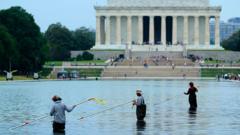
The Washington Reflecting Pool, which stretches nearly 2,000 feet between the Lincoln Memorial and the World War II Memorial, undergoes regular maintenance and restoration work. These projects are essential for preserving the structure's integrity and appearance for millions of annual visitors.
Recent renovation efforts at the site involved comprehensive repainting and surface treatment to address weathering and environmental damage accumulated over decades. The presence of newly applied coatings at the time of the incident creates an important element in determining exactly what transpired.
Hearn's Background as an Athlete
Davey Hearn's Olympic participation adds a notable dimension to this case, as the public figure has maintained a generally positive public image throughout his athletic career. His involvement in this incident has surprised many who followed his competitive achievements and subsequent life after elite sports.
The former athlete's legal challenges represent a stark contrast to his accomplishments in international competition. Many observers have expressed interest in how the case will ultimately resolve and what implications it may have for his reputation and future endeavors.
Legal Standards for Vandalism
Under federal law, vandalism charges typically require proof of intentional destruction, removal, or defacement of property. Simply touching or contacting surfaces, even if they result in minor contact, does not automatically satisfy these legal requirements.
Hearn's legal representatives argue that prosecutors must demonstrate clear intent and actual damage or removal to pursue the case successfully. This distinction between contact and vandalism has become central to the ongoing dispute between the defendant and authorities.
Monument Security and Public Access
The incident raises broader questions about security protocols at major national monuments in Washington D.C. Authorities responsible for the Washington Reflecting Pool vandalism investigation must balance public access with property protection.
Federal agencies managing these landmarks continuously evaluate visitor management strategies, restricted areas, and monitoring systems to prevent unauthorized activities while maintaining the monuments' accessibility to the public. This case highlights the challenges inherent in protecting historical sites.
What Happens Next
The case will likely proceed through federal court proceedings, where judges will determine the credibility of evidence presented by both the prosecution and Hearn's defense team. The outcome could establish important precedent regarding what constitutes actionable vandalism at federal properties.
Legal experts following the case anticipate that testimony regarding the condition of paint at the time of contact and forensic analysis of any materials found on Hearn's person will prove decisive. The former Olympic athlete maintains his position that he committed no wrongdoing and looks forward to clearing his name through the judicial process.


