Medical Exam Security Tightened After Paper Leak Allegations Hit Indian Students
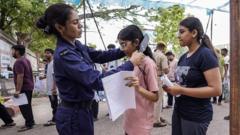
Unprecedented Security Measures for Rescheduled Medical Examination
A significant controversy surrounding a medical exam paper leak has prompted Indian authorities to implement extraordinary medical exam paper leak India prevention protocols. Educational officials have announced comprehensive security arrangements for millions of candidates participating in the rescheduled examination, reflecting the severity of the allegations and the institutional commitment to maintaining examination integrity.
The implementation of these protective measures represents one of the most ambitious security operations undertaken for a competitive medical entrance assessment in the country's recent history. Authorities have mobilized extensive resources to prevent any recurrence of the incidents that compromised the original examination cycle.
Biometric Authentication and Personnel Screening
Examination centers across the nation have been equipped with advanced biometric verification systems to control access and maintain a comprehensive record of all individuals entering testing facilities. Every candidate, invigilator, and administrative personnel will undergo fingerprint scanning and facial recognition processes before gaining entry to examination halls.
Beyond biometric measures, traditional security protocols have been significantly enhanced. Comprehensive physical frisking of all attendees represents a mandatory component of the entry procedure. These verification checkpoints aim to intercept any unauthorized materials or communication devices that might facilitate malpractice during the assessment.
Multi-Layered Access Control
The examination authorities have established multiple verification stages at each testing location. Candidates must pass through successive checkpoints, each designed to identify specific categories of contraband or suspicious items. Security personnel have received specialized training to execute these procedures efficiently while maintaining candidate dignity and examination schedules.
Military Involvement in Examination Security
A noteworthy aspect of the enhanced security framework involves the deployment of air force personnel across examination centers. This unprecedented collaboration between defense forces and educational authorities demonstrates the gravity with which officials treat the paper leak allegations. Air force teams work alongside civil security agencies to oversee the transportation, storage, and distribution of examination materials.
The military deployment extends beyond physical security at testing venues. Air force logistics and coordination expertise have been leveraged to establish secure supply chains for question papers and answer sheets. This involves specialized handling protocols, encrypted documentation tracking systems, and verified personnel-only access to sensitive materials.
Transportation and Storage Protocols
Examination papers are transported using secured routes with air force escorts. Storage facilities operate under round-the-clock surveillance with restricted access limited to specifically authorized personnel. Temperature-controlled secure vaults protect examination materials from both theft and environmental damage, ensuring papers remain pristine until the exact moment of distribution to candidates.
National Scale Implementation
The scope of these security measures is unprecedented, affecting examination centers located across every state and union territory of India. Millions of medical aspirants will navigate these enhanced procedures as they attempt the rescheduled examination. The nationwide rollout ensures consistency in security standards and eliminates any possibility of varying compliance levels across different regions.
Educational administrators have coordinated extensively with state governments, local law enforcement, and defense authorities to ensure seamless implementation. Training programs for all personnel involved in examination administration have been conducted to standardize procedures and response protocols.
Investigation into Original Paper Leak
Parallel to implementing enhanced security, investigative agencies continue examining how the original examination compromise occurred. Preliminary findings suggest the medical exam paper leak India incident involved coordinated efforts that bypassed initial security measures. Understanding these vulnerabilities has directly informed the design of current protective protocols.
Authorities have indicated that individuals responsible for the breach face serious criminal charges. The investigation has expanded to examine potential involvement of examination center staff, government officials, and external actors. Preliminary interrogations have revealed concerning gaps in previous security frameworks.
Candidate Experience and Testing Schedule
While security has been maximized, examination authorities have worked to minimize disruption to the candidate testing experience. The duration required for biometric verification and physical screening has been calculated, and additional time has been incorporated into the overall examination schedule. Candidates are advised to arrive at testing centers well in advance of their designated examination times.
The rescheduling of the examination itself was implemented relatively swiftly following the paper leak allegations. Students received clear communication regarding new examination dates, reporting times, and required documentation. Centers have been informed of the importance of handling the influx of candidates efficiently without compromising security effectiveness.
Institutional Response and Future Measures
The medical exam paper leak India incident has prompted broader institutional reforms beyond immediate security enhancements. Educational authorities are evaluating long-term strategies to maintain examination integrity, including technological innovations, personnel background verification processes, and structural reforms to examination center management.
Government officials have committed to reviewing the entire examination framework to identify vulnerabilities and implement preventive measures for future competitive assessments. This comprehensive approach signals a commitment to restoring public confidence in the examination system and ensuring equitable assessment opportunities for all candidates.
Public Confidence and System Legitimacy
The paper leak allegations raised significant concerns among candidates and their families regarding the credibility of the examination process. The substantial security response aims to rebuild confidence that the rescheduled examination will be conducted fairly and securely. Transparent communication from authorities regarding security measures has been emphasized as essential to restoring system legitimacy.
Medical education stakeholders have acknowledged the importance of demonstrating that examination systems operate with integrity. The visible presence of security personnel and technological safeguards serves both practical and psychological purposes in assuring candidates that their assessment will be conducted under controlled conditions.


