Iran Closes Strait of Hormuz Following Israel Strikes on Lebanon
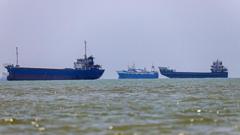
Iran's Strategic Response to Regional Escalation
Iran has announced the closure of the Strait of Hormuz in what officials describe as a direct response to ongoing Israeli military operations targeting Lebanon. The announcement represents a significant escalation in Middle East tensions, with Tehran taking what it characterizes as defensive measures amid heightened regional conflict. The Strait of Hormuz closure declaration comes as diplomatic efforts intensify between Tehran and Washington.
US Military Challenges Iran's Claims
The United States military has publicly refuted Iran's assertion regarding the Strait of Hormuz closure, casting doubt on Tehran's ability to execute such a comprehensive blockade. American defense officials have questioned the feasibility and scope of Iran's claimed action, suggesting the announcement may represent more political posturing than operational capability. This contradiction between Iranian claims and US military assessment underscores the deep mistrust characterizing current relations between the two nations.
Timing Amid Diplomatic Negotiations
The Iranian statement emerges at a particularly sensitive moment in international diplomacy. High-level talks between Tehran and Washington are scheduled to take place in Switzerland on Sunday, raising questions about whether Iran's announcement is intended to strengthen its negotiating position. Observers note that such declarations often precede negotiations, potentially serving as leverage in upcoming discussions. The timing suggests Iran may be attempting to demonstrate resolve and capability to international partners and adversaries alike.
Background on the Strait of Hormuz
The Strait of Hormuz represents one of the world's most critical maritime chokepoints, with approximately one-third of global seaborne petroleum trade passing through its waters annually. Control over this strategic waterway carries immense geopolitical significance, making any credible threat to its operation a matter of international concern. Previous tensions between Iran and Western powers have frequently centered on Iranian threats to blockade the strait, though actual implementation has never occurred on a permanent basis.
Regional Context and Escalation
The Strait of Hormuz closure announcement must be understood within the broader context of intensifying Israeli military campaigns in Lebanon. Recent airstrikes have targeted what Israeli officials claim are Hezbollah positions, resulting in significant civilian casualties and displacement. Iran, as a key regional power with close ties to Lebanese militant organizations, views these operations as threats to its broader strategic interests in the Eastern Mediterranean and surrounding territories.
International Implications and Concerns
Global energy markets and shipping industries have taken notice of Iran's claims, given the potential ramifications for international commerce and oil prices. Any sustained disruption to Strait of Hormuz traffic could have far-reaching consequences for economies worldwide. Insurance companies, shipping corporations, and energy producers are monitoring the situation closely, preparing contingency plans should Iran's assertions translate into actual operational measures affecting maritime traffic.
Upcoming Switzerland Negotiations
Sunday's scheduled talks in Switzerland represent a crucial moment for de-escalation and diplomatic resolution. Both Iranian and American delegations will be watching how the other responds to the Strait of Hormuz announcement. Analysts suggest that the timing of Iran's statement indicates officials may be attempting to establish a stronger bargaining position ahead of these high-stakes negotiations. Success in Switzerland could potentially reduce regional tensions and prevent further escalation of conflicts affecting Lebanon and surrounding areas.
Assessment and Future Outlook
The discrepancy between Iran's claims and US military assessments highlights the complex nature of modern geopolitical posturing. While the Strait of Hormuz closure may represent more rhetorical positioning than immediate operational threat, the underlying tensions driving such declarations remain genuine and serious. As diplomatic efforts proceed in Switzerland, the international community waits to see whether dialogue can reverse the current trajectory of regional escalation or whether the situation will continue deteriorating. Iran's actions and statements will continue influencing perceptions of regional stability and the credibility of all parties involved in Middle East affairs.


