Israeli Military Strikes Kill Six in Gaza Including Al Jazeera Cameraman
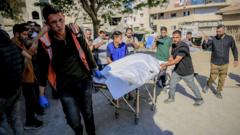
Israeli Military Strikes Kill Six in Gaza Including Al Jazeera Cameraman
Israeli military strikes in Gaza have resulted in the deaths of six individuals, including Ahmed Wishah, a cameraman working for the international news network Al Jazeera. The incident represents another significant loss of life in the ongoing conflict and raises fresh concerns about civilian casualties in the region. Israeli military strikes Gaza have been a persistent feature of the humanitarian crisis affecting the Palestinian territory.
Identity of the Deceased Cameraman
Ahmed Wishah, identified as the Al Jazeera cameraman, was among those killed during the military operation. His death marks another tragic loss within the international media community covering events in the Middle East. Journalists and media personnel operating in conflict zones face extraordinary risks while documenting events of global significance.
Military Accusations Without Evidence
Following the incident, the Israeli military made serious accusations regarding Wishah's activities and affiliations. Military officials stated that Ahmed Wishah was allegedly a "Hamas sniper operative," according to statements released by the Israeli Defense Forces. However, these assertions were made without the presentation of substantive evidence to support such claims.
The absence of corroborating documentation or verifiable proof regarding these allegations has drawn attention from international observers, human rights organizations, and media watchdog groups. The practice of making public accusations without providing supporting evidence has become a contentious issue in the discourse surrounding military operations and civilian casualties.
Context of Gaza Conflict
The deaths occur within the broader context of Israeli military operations in Gaza, which have been ongoing and have resulted in significant casualties and displacement. The situation has attracted considerable international attention, with various organizations documenting incidents and investigating claims related to military conduct.
Al Jazeera and other international news outlets have maintained operations in Gaza to provide coverage of the humanitarian situation and document events as they unfold. The work of journalists in such environments requires extraordinary courage and commitment to reporting, despite the inherent dangers present in active conflict zones.
Response and International Concern
The killing of a journalist working for a major international news organization has intensified discussion about press freedom and the safety of media professionals in war zones. International bodies and press freedom advocates have consistently called for protection of journalists and investigations into incidents resulting in media personnel deaths.
The broader implications of these incidents extend beyond individual cases, raising questions about accountability, investigation procedures, and the standards applied during military operations. Transparency and evidence-based reporting remain essential components of maintaining public trust and international credibility.
Humanitarian Impact
The deaths contribute to the mounting civilian casualty toll in Gaza, with each incident adding to humanitarian concerns documented by various international organizations. The distinction between combatants and civilians remains a critical legal and ethical issue in contemporary armed conflicts.
Families affected by these incidents face not only immediate loss but also long-term trauma and displacement. The cumulative effect of ongoing violence on the civilian population creates urgent humanitarian needs that require international attention and assistance.
Moving Forward
Calls continue for independent investigations into incidents resulting in civilian deaths and media personnel casualties. The international community emphasizes the importance of thorough, impartial inquiries that can establish facts and determine accountability. Such investigations are essential for understanding what occurred, acknowledging losses, and working toward mechanisms that may prevent similar incidents in the future.


