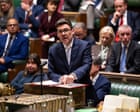
Burnham Demands 'Fresh Direction for Britain' as Starmer Faces Leadership Pressure

Burnham Demands 'Fresh Direction for Britain' Amid Political Turbulence
Andy Burnham has escalated calls for a fresh direction for Britain, intensifying pressure on the Labour administration at a critical juncture in Westminster politics. The senior Labour figure's intervention comes as Prime Minister Keir Starmer has publicly committed to confronting any potential leadership challenge head-on, signaling his determination to maintain control of the party apparatus during an increasingly volatile period.
The mounting tension within Labour circles reflects deepening divisions over the party's strategic direction and policy priorities. Burnham's articulation of a need for transformative change resonates with segments within the party who express frustration with the current trajectory. These developments mark a significant moment in contemporary British politics, where internal party dynamics are shifting with considerable consequences for governance and opposition strategy.
Starmer's Resolute Stance on Leadership Continuity
Prime Minister Keir Starmer has made unequivocal statements regarding his commitment to remaining in his current position. His determination to combat any leadership challenge reflects confidence in his mandate and political standing, even as critics within his own party suggest alternative directions.
The Prime Minister's declaration comes amid broader conversations about the future direction of the Labour party and its capacity to deliver on core policy objectives. Political observers note that Starmer's resolute posture represents a calculated response to mounting internal pressure, designed to project stability and decisiveness to both party members and the broader electorate.
Internal Party Tensions and Divergent Visions
Senior Labour figures have emerged with competing interpretations of what constitutes necessary party reform and strategic repositioning. These internal discussions reflect genuine ideological differences regarding governance priorities, economic policy, and social priorities that have long characterized Labour party deliberations.
Andy Burnham's public articulation of demands for transformative change suggests that significant segments within the parliamentary Labour party harbor concerns about current policy implementations and strategic communications. The Greater Manchester politician has cultivated substantial support within regional Labour organizations and maintains considerable influence over crucial constituencies.
David Blunkett's Political Assessment
Veteran Labour figure David Blunkett has offered commentary on the evolving political situation, suggesting strategic considerations for party leadership. During an appearance on BBC's Newsnight, Blunkett analyzed the implications of the Makerfield byelection and its potential impact on broader party dynamics.
Blunkett's observations reflect the perspectives of establishment Labour figures who maintain institutional memory of previous party transitions and leadership contests. His assessment indicates that significant party figures are contemplating scenarios involving leadership change and succession planning, regardless of specific electoral outcomes in upcoming byelections.
The Makerfield Byelection Context
The Makerfield parliamentary seat has become a focal point for broader political calculations and party strategy assessments. This constituency, with its particular electoral demographics and historical voting patterns, represents symbolic importance beyond its immediate electoral significance.
The byelection provides a concrete testing ground for evaluating party messaging effectiveness and grassroots mobilization capacity. Results from this contest carry implications for how internal party actors assess electoral viability and competitive positioning against opposition parties. Political analysts suggest that outcomes could influence subsequent calculations regarding leadership stability and internal party confidence.
Broader Implications for Labour Party Direction
The contemporary tensions within Labour reflect fundamental questions about party identity and programmatic focus that have occupied party discussions for years. The contrast between Burnham's advocacy for fresh direction and Starmer's commitment to leadership continuity encapsulates competing visions for Labour's political future.
These developments occur within a broader political context where parties navigate complex relationships between leadership stability, internal reform pressures, and electoral competition. The Labour party's ability to manage these tensions while maintaining internal cohesion and public confidence represents a central challenge for contemporary British politics.
Leadership Challenge Dynamics
Starmer's explicit statement regarding his willingness to confront any leadership challenge demonstrates calculated political messaging designed to deter potential challengers while projecting confidence. This rhetorical stance serves multiple audiences simultaneously—party members, parliamentary colleagues, and the voting public—each with distinct interests in how leadership questions are resolved.
The threat of leadership challenges, whether explicit or implicit, typically generates considerable institutional anxiety within parliamentary parties. Starmer's proactive stance attempts to preempt such scenarios through demonstrating personal determination and political strength.
Conclusion: A Critical Moment for Labour
The articulation of calls for fresh direction by prominent figures like Andy Burnham, combined with Starmer's resolute defense of his leadership position, indicates that the Labour party faces genuine internal pressures requiring navigation and resolution. These tensions between competing visions for party direction and governance represent substantial political developments with consequences extending beyond immediate Westminster calculations.
How Labour manages these internal dynamics while maintaining coherent public messaging and electoral competitiveness remains a defining challenge for the contemporary political moment. The convergence of byelection pressures, leadership questions, and strategic disagreements creates a complex political environment demanding sophisticated party management and clear communication of party priorities to the electorate.