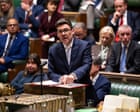
Andy Burnham's Path to Power: The Cost of Living Strategy That Could Define His Leadership

A Moment of Progressive Triumph in British Politics
Andy Burnham's decisive victory in the Makerfield byelection represents a rare and significant moment for Labour and progressive politics across Britain. With Andy Burnham emerging as a formidable force within the party, the question of succession looms large as Prime Minister Keir Starmer contemplates his political future. The Makerfield MP's commanding performance against Reform Party candidates underscores a fundamental truth: the British electorate remains receptive to centrist, progressive governance when presented with compelling alternatives.
The scale of Burnham's victory transcended ordinary byelection results. He comprehensively defeated the Reform Party, whose candidates have consistently attracted controversy. This electoral outcome provides crucial insight into voter sentiment and demonstrates that despite recent political turbulence, millions of British citizens remain committed to progressive values and substantive policy solutions rather than divisive populist rhetoric.
Understanding the Reform Party's Resistance and Voter Rejection
The Reform Party's failure in Makerfield, despite significant financial backing and high-profile leadership, reflects deeper concerns among voters. With reports indicating substantial funding flowing into hardline right-wing movements, the electorate's rejection of these candidates sends a powerful message. Andy Burnham's campaign effectively positioned Labour as the responsible alternative, capable of addressing genuine economic anxieties without resorting to scapegoating or inflammatory language.
Historical precedent matters here. Britain has confronted hostile hard-right politics before, from Enoch Powell's divisive rhetoric in the 1960s to the BNP's brief period of electoral activity in the 2000s. Each time, democratic forces and moderate politicians have successfully contained and defeated nativist movements. Burnham's victory follows this tradition of British voters ultimately rejecting extremism when presented with credible progressive alternatives.
The Burnham Blueprint: Cost of Living as the Central Political Challenge
Should Andy Burnham progress toward the Labour leadership, his inaugural focus must address the cost of living crisis that continues affecting millions of British households. This issue transcends traditional political divides—families across the country struggle with energy bills, food prices, and housing affordability. A comprehensive strategy tackling these material concerns would distinguish Burnham's approach from his predecessors.
The political lesson from Keir Starmer's tenure proves instructive. While Starmer inherited significant economic challenges from the previous Conservative administration, his government struggled to articulate bold, memorable policies specifically targeting household costs. Voters perceived a gap between Labour's rhetoric about change and its actual delivery on economic hardship. Andy Burnham must avoid this pitfall by presenting immediate, visible interventions that demonstrably improve living standards.
First Impressions and Political Destiny
Political psychology research consistently demonstrates that first impressions profoundly shape public perception of leaders. Andy Burnham's early months following any elevation to party leadership would prove absolutely critical. The policies announced, the tone adopted, and the priorities established during this period would create lasting impressions that influence electoral outcomes years into the future.
Starmer's experience illustrates this principle starkly. His initial months generated considerable optimism about change and renewal. However, as economic challenges persisted and policy delivery proved incremental rather than transformative, public enthusiasm gradually eroded. Andy Burnham must learn this lesson: grand ambitions without concrete early achievements ultimately disappoint voters.
Crafting Memorable Economic Policies for Household Relief
Andy Burnham should consider several policy approaches that combine electoral appeal with genuine household impact. Energy price caps, targeted winter heating allowances for vulnerable households, and substantial investment in green infrastructure creating jobs—these initiatives unite popular appeal with progressive values. Such policies would provide tangible evidence that Labour prioritizes working people's material circumstances.
The Makerfield byelection victory demonstrates voters' receptiveness to this agenda. The constituency comprises working-class communities facing genuine economic strain. Burnham's success there suggests that authentic engagement with cost of living concerns resonates powerfully. A national platform built upon this foundation could generate the momentum necessary to challenge for higher office.
Building on Electoral Success Toward National Leadership
Andy Burnham's comprehensive performance in Makerfield establishes him as Labour's most viable candidate for recapturing the prime ministerial office. His combination of regional roots, electoral track record, and apparent understanding of working-class economic anxieties positions him uniquely within the party. However, winning a byelection differs fundamentally from securing a general election mandate.
The transition from byelection hero to prime ministerial candidate requires translating local success into national appeal. Andy Burnham must demonstrate that his Makerfield coalition—comprised of traditional Labour voters, progressive professionals, and economically anxious families—extends across diverse constituencies nationwide. This expansion necessitates clarity about economic policies that address cost of living challenges while maintaining credibility on public services and environmental sustainability.
The Progressive Politics Imperative
Progressive politics in Britain faces a critical juncture. The electorate clearly rejects hard-right extremism, as evidenced by the Reform Party's defeat in Makerfield despite substantial resources. However, voters simultaneously demand genuine solutions to material economic problems. Andy Burnham, building on his recent electoral triumph, possesses the opportunity to synthesize these demands into a coherent political project.
His challenge involves maintaining the optimism and energy of the Makerfield victory while constructing a detailed, comprehensive agenda for national government. This agenda must prioritize cost of living policies that deliver immediate results while simultaneously building toward longer-term economic transformation. Such an approach would honor the rare moment of progressive optimism evident in his byelection success and position him credibly for ultimate political advancement.