Artificial Ice Pyramids: India's Solution for Mountain Water Scarcity
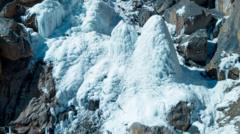
Artificial Ice Pyramids: A Lifeline for Himalayan Communities
In the remote and challenging terrain of India's high-altitude regions, artificial ice pyramids represent a groundbreaking solution to a critical problem. These innovative structures are fundamentally transforming how mountain villages manage their water resources during crucial growing seasons. The artificial ice pyramids serve as frozen reservoirs that release water gradually as temperatures rise, ensuring consistent irrigation for agricultural crops throughout spring months.
The Water Crisis in Mountain Villages
Himalayan communities face an increasingly severe water shortage that threatens both agricultural productivity and basic survival. Traditional glaciers that once provided reliable water sources have been receding at alarming rates due to climate change and rising temperatures. Mountain villages have historically depended on glacial meltwater to irrigate their terraced fields and sustain livestock. Without these natural ice formations, farmers struggle to maintain crop yields during the critical spring planting season. This environmental transformation has forced communities to seek innovative alternatives to preserve their agricultural heritage and ensure food security.
How Artificial Ice Pyramids Function
The artificial ice pyramids are engineered structures constructed from ice and strategic materials designed to accumulate and preserve seasonal snow and meltwater. These pyramidal formations are deliberately shaped to minimize surface area exposure to sunlight, which dramatically reduces melting rates compared to flat ice surfaces. Local engineers have developed techniques to build these structures during winter months, using natural water sources and the region's extreme cold to create stable ice formations. The pyramids are positioned strategically across mountain slopes where water collection and gravity-fed distribution systems can efficiently channel water to agricultural fields below.
Construction and Engineering Principles
Creating artificial ice pyramids requires deep understanding of mountain hydrology and ice physics. Communities work with environmental engineers to identify optimal locations based on elevation, sunlight exposure, and proximity to farming areas. The construction process involves channeling water into molds or forming structures during the coldest months. Once established, the pyramids can persist throughout spring months, gradually releasing water as daily temperatures increase. This controlled melting pattern ensures a steady water supply rather than the unpredictable rushes that occur during natural glacier thaws.
Impact on Agricultural Practices
The introduction of artificial ice pyramids has revolutionized farming practices in Himalayan villages. Farmers now enjoy greater predictability in water availability, allowing them to plan planting schedules with confidence. Crop yields have improved significantly as irrigation becomes more reliable and consistent. Traditional crops adapted to mountain conditions, including apples, walnuts, and various vegetables, receive adequate water throughout the critical growing season. The artificial ice pyramids have essentially extended the natural water supply period, giving communities a competitive advantage in food production.
Crop Diversity and Food Security
With improved water security from artificial ice pyramids, mountain farmers have begun diversifying their crops. Previously, water scarcity restricted cultivation to hardy, drought-resistant varieties. Now communities are experimenting with crops that require more consistent irrigation, expanding nutritional options and income opportunities. This agricultural expansion directly supports local economies and reduces dependence on external food sources, strengthening community resilience.
Environmental and Climate Considerations
The artificial ice pyramids represent an adaptation strategy to climate change rather than a solution to the root environmental problems affecting glaciers. While these structures provide immediate relief to communities facing water shortages, they complement broader climate mitigation efforts. Local initiatives combining artificial ice pyramids with water conservation practices, sustainable forestry, and renewable energy demonstrate holistic approaches to mountain environmental management. These efforts showcase how communities can innovate while advocating for global climate action.
Community Innovation and Traditional Knowledge
The development of artificial ice pyramids reflects the intersection of traditional mountain knowledge and modern engineering innovation. Local residents possess generations of experience managing high-altitude water resources and understanding seasonal patterns. This indigenous knowledge combined with contemporary technology has produced effective solutions tailored to specific Himalayan conditions. Community members actively participate in constructing, maintaining, and refining artificial ice pyramid systems, fostering collective ownership and sustainable management practices.
Broader Implications for Mountain Regions
The success of artificial ice pyramids in Indian Himalayan villages offers valuable lessons for other mountain communities worldwide. Regions across the Andes, Alps, and Asian mountain ranges face similar water scarcity challenges. The artificial ice pyramids technology could be adapted and scaled to benefit millions of people in mountain communities globally. International environmental organizations are increasingly documenting these innovative practices, recognizing their potential to support climate adaptation in vulnerable regions.
Looking Forward: Sustainability and Growth
As climate pressures continue to intensify, artificial ice pyramids will likely become increasingly important for mountain village survival. Ongoing research focuses on optimizing construction techniques, improving efficiency, and reducing resource requirements. Communities are also exploring complementary water management strategies including terracing improvements, rainwater harvesting, and groundwater conservation. These integrated approaches suggest promising possibilities for sustaining mountain agriculture and protecting vulnerable populations against environmental change.


