When Bloating and Heartburn Go Beyond Everyday Digestive Issues and Signal Chronic Digestive Diseases
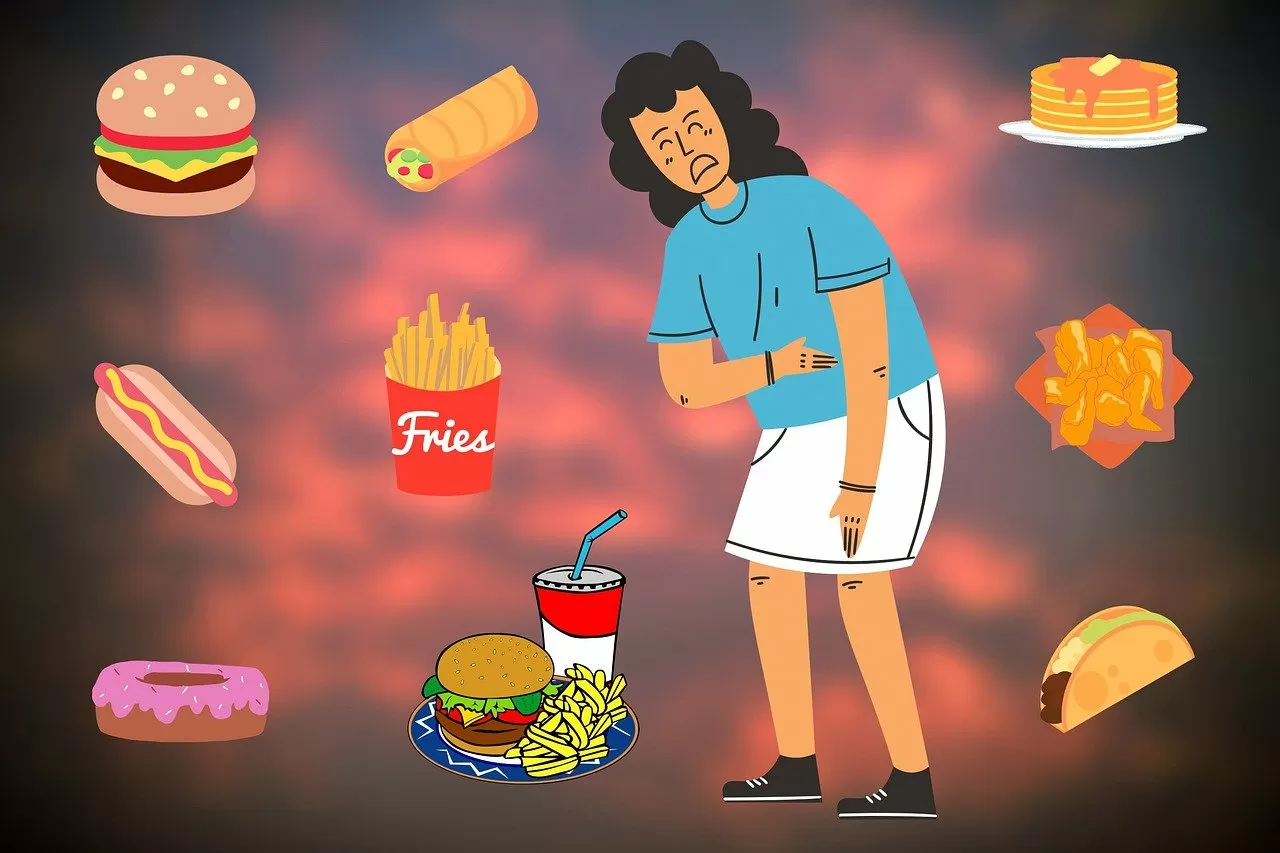
Digestive issues are a common occurrence in our daily lives. From occasional constipation to bloating after a heavy meal, most of us have experienced some form of digestive discomfort at some point. While these issues may seem minor, they can greatly affect our overall well-being if left unaddressed. In fact, some digestive issues can be warning signs of chronic diseases that require immediate attention. Therefore, it is important to learn how to identify common digestive issues and understand the warning signs of chronic digestive diseases.
Firstly, let's understand what the digestive system is and how it works. The digestive system is responsible for breaking down the food we eat into smaller particles, which can be absorbed by the body for energy and nutrients. It is a complex system that involves various organs such as the mouth, esophagus, stomach, small and large intestines, liver, pancreas, and gallbladder. Any disruption in the functioning of these organs can lead to digestive issues.
One of the most common digestive issues is constipation. It is a condition where a person has difficulty passing stool or has infrequent bowel movements. Constipation can be caused by various factors such as a low-fiber diet, dehydration, lack of physical activity, and certain medications. It can also be a symptom of an underlying medical condition such as irritable bowel syndrome (IBS) or hypothyroidism. Some warning signs of chronic constipation include severe abdominal pain, blood in stool, and unintentional weight loss. If you experience these symptoms, it is important to consult a doctor for proper diagnosis and treatment.
Another common digestive issue is heartburn, also known as acid reflux. It is a burning sensation in the chest that occurs when stomach acid flows back up into the esophagus. This can happen due to a weakened lower esophageal sphincter (LES), which is responsible for keeping the stomach acid in place. Heartburn can be triggered by certain foods, such as spicy or fatty foods, caffeine, and alcohol. It can also be a symptom of gastroesophageal reflux disease (GERD), a chronic condition that requires medical attention. If you experience heartburn more than twice a week, it is important to consult a doctor for proper diagnosis and treatment.
Bloating is another common digestive issue that can be uncomfortable and embarrassing. It is a feeling of fullness or tightness in the abdomen, often accompanied by gas and abdominal pain. Bloating can be caused by various factors such as overeating, eating too quickly, and consuming gas-producing foods. It can also be a symptom of an underlying medical condition such as celiac disease or lactose intolerance. If bloating is persistent and accompanied by other symptoms such as diarrhea or weight loss, it is important to consult a doctor for proper diagnosis and treatment.
Apart from these common digestive issues, there are also warning signs of chronic digestive diseases that require attention. These include persistent diarrhea, blood in stool, unintentional weight loss, and difficulty swallowing. These symptoms can be indicative of serious conditions such as Crohn's disease, ulcerative colitis, or colon cancer. It is important to seek medical attention if you experience any of these warning signs.
So, how can we prevent and manage digestive issues? The key is to maintain a healthy lifestyle. This includes eating a balanced diet rich in fiber, staying hydrated, and engaging in regular physical activity. It is also important to avoid trigger foods and to eat slowly and mindfully. In case of chronic digestive issues, it is important to follow the treatment plan prescribed by your doctor and to attend regular check-ups.
In conclusion, digestive issues are common but should not be ignored. It is important to learn how to identify common digestive issues like constipation, heartburn, and bloating, and to understand the warning signs of chronic digestive diseases. By maintaining a healthy lifestyle and seeking medical attention when needed, we can prevent and manage these issues, leading to a happier and healthier digestive system. Remember, a healthy digestive system is the key to a healthy body and mind.