What Blood Thinners Like Eliquis and Xarelto Actually Do and Why Doctors Prescribe Them
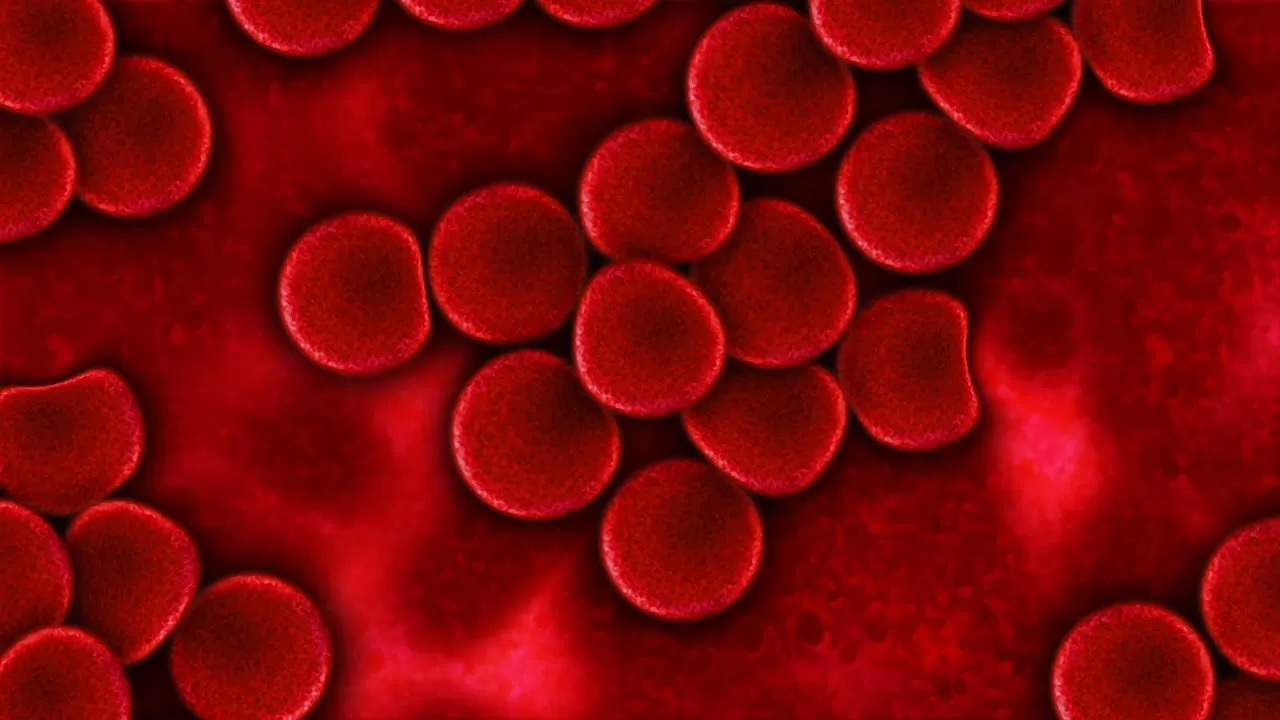
Blood thinners, also known as anticoagulants, are a type of medication that is commonly prescribed by doctors to help prevent blood clots from forming. These medications work by targeting specific proteins in the blood that play a key role in the clotting process. One type of blood thinner that has gained popularity in recent years is the factor Xa anticoagulant, with two well-known examples being Eliquis and Xarelto. In this article, we will explore how these medications work, why doctors prescribe them, and how they help to prevent blood clots.
Firstly, let's understand how blood clots form in the body. When you get a cut or an injury, your body's natural response is to form a clot to stop the bleeding. This process involves a series of chemical reactions that ultimately lead to the formation of a fibrin clot. The key protein involved in this process is called factor Xa, which plays a crucial role in the activation of clotting factors. However, in some cases, this clotting process can occur within the blood vessels, leading to the formation of a blood clot. These clots can be dangerous if they block blood flow to vital organs such as the heart or brain, causing a heart attack or stroke.
This is where blood thinners like Eliquis and Xarelto come into play. They belong to a class of medications known as factor Xa inhibitors, which work by blocking the action of factor Xa in the clotting process. By inhibiting this protein, these medications prevent the formation of blood clots and reduce the risk of serious health complications.
So, why do doctors prescribe these medications? Blood thinners are commonly prescribed for individuals who are at a higher risk of developing blood clots. This includes people with a history of blood clots, those with heart conditions, and individuals who have undergone major surgeries. These medications are also prescribed for people with certain medical conditions such as atrial fibrillation, where the irregular heartbeat can increase the risk of blood clots forming in the heart.
Now, let's take a closer look at the two popular factor Xa inhibitors, Eliquis and Xarelto. Both of these medications have been approved by the FDA for the prevention of blood clots in individuals with atrial fibrillation and for the treatment of deep vein thrombosis and pulmonary embolism. However, they differ in their chemical composition and how they are metabolized by the body.
Eliquis, also known as apixaban, is a newer generation blood thinner that was approved by the FDA in 2012. It works by specifically targeting factor Xa and blocking its action in the clotting process. Unlike older blood thinners, Eliquis does not require regular blood tests to monitor its effectiveness, making it a convenient option for patients.
On the other hand, Xarelto, or rivaroxaban, was approved by the FDA in 2011. It also works by inhibiting factor Xa, but it has a slightly different mechanism of action compared to Eliquis. Xarelto is metabolized by the liver, while Eliquis is metabolized by both the liver and the kidneys. This means that Xarelto may be a better option for individuals with kidney problems.
Both Eliquis and Xarelto have been proven to be highly effective in preventing blood clots. In fact, in clinical trials, they have been shown to be more effective than the older blood thinner, warfarin, and have a lower risk of serious bleeding complications. However, like all medications, there are potential side effects associated with the use of these medications. The most common side effect is bleeding, which can range from minor bruising to more serious bleeding in the brain or gastrointestinal tract. It is important to follow your doctor's instructions carefully and report any unusual symptoms while taking these medications.
In conclusion, blood thinners like Eliquis and Xarelto are an important tool in preventing blood clots and reducing the risk of serious health complications. By inhibiting the action of factor Xa, these medications help to prevent the formation of blood clots and keep your blood flowing smoothly. If you have been prescribed one of these medications, it is important to take them as directed and to report any side effects to your doctor. Together, with a healthy lifestyle, these medications can help you maintain a healthy blood flow and protect your overall health.