Waste Dump Collapse Claims 30 Lives in Guinea
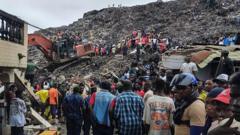
Catastrophic Waste Site Collapse Leaves Dozens Dead
A major waste dump collapse in Guinea has resulted in at least 30 fatalities, according to official government statements. The incident occurred when a massive accumulation of refuse at a primary sanitation facility gave way, burying multiple residential structures beneath tons of debris in the nation's capital.
Emergency response teams mobilized immediately following the collapse, working through challenging conditions to locate survivors and recover victims from the wreckage. The scale of destruction has prompted authorities to declare the situation a critical public health and safety emergency.
Homes Buried Under Massive Debris
Families residing near the landfill disaster site faced little warning as the refuse mound suddenly gave way. The collapse swept through neighboring communities with devastating force, destroying homes and displacing hundreds of residents. Witnesses reported that the event occurred with minimal forewarning, leaving residents virtually no time to evacuate.
Rescue operations continue as teams search through the debris for additional survivors. Government officials have confirmed that the death toll may continue to rise as recovery efforts progress and a complete assessment of the affected areas is conducted.
Contributing Factors to the Disaster
The collapse of the waste dump highlights longstanding concerns about infrastructure management and environmental safety practices at major sanitation facilities. Years of inadequate waste management, compounded by improper disposal methods and insufficient structural oversight, created conditions conducive to this catastrophic failure.
Officials acknowledge that the landfill had been operating beyond its design capacity for an extended period. The accumulation of refuse had reached dangerous proportions, with poor maintenance and lack of proper compaction and drainage systems contributing significantly to the structural instability.
Government Response and Investigation
Guinea's government has launched a comprehensive investigation into the causes of the environmental hazard that led to this tragedy. Officials have pledged to implement immediate corrective measures at other waste management facilities across the capital to prevent similar incidents.
Authorities are working alongside international relief organizations to provide emergency medical assistance to the injured and support services to displaced families. Temporary shelter facilities have been established, and humanitarian aid is being coordinated through multiple government agencies.
Public Health and Environmental Implications
Beyond the immediate human toll, the Guinea capital disaster raises serious environmental concerns. Decomposing waste materials contaminate surrounding groundwater supplies, posing additional health risks to nearby communities. The exposed hazardous materials may cause long-term pollution consequences affecting water quality and soil composition.
Health officials are monitoring the situation for potential disease outbreaks, given the sanitary conditions created by the collapsed landfill. Residents in affected areas have been advised to boil drinking water and take precautions against waterborne pathogens.
Infrastructure and Planning Challenges
This incident underscores broader challenges in waste management infrastructure across West African nations. The rubbish accumulation crisis reflects insufficient investment in modern sanitation facilities and inadequate urban planning that accounts for growing populations and increasing waste volumes.
Urban expansion in Guinea's capital has outpaced the development of adequate waste disposal systems. Residents increasingly settle in areas adjacent to landfills due to housing shortages, creating dangerous conditions where residential communities exist in close proximity to waste management operations.
Looking Forward: Prevention Measures
Government officials have announced plans to upgrade waste management infrastructure, including construction of new facilities with proper engineering standards and regular structural monitoring. Enhanced training programs for landfill operators and stricter safety protocols are also under consideration.
The tragedy serves as a catalyst for policy change, with authorities committing to address systemic weaknesses in how Guinea manages municipal solid waste. International cooperation and technical assistance are being sought to implement best practices in waste management and environmental protection standards across the nation.


