UK Citizens Stock Essentials Following Government Emergency Preparedness

Government Launches Emergency Preparedness Initiative
British authorities have introduced a comprehensive campaign encouraging citizens to maintain emergency stockpiling measures for unexpected crises. The initiative recommends households keep three days' worth of essential supplies on hand to address potential disruptions caused by geopolitical tensions, environmental hazards, and other unforeseen circumstances. This stockpiling emergency supplies guidance marks a significant shift in official public safety recommendations across the United Kingdom.
The campaign addresses growing concerns about state-sponsored threats and climate-related emergencies. Officials emphasize that adequate preparation can significantly mitigate the impact of various crisis scenarios on daily life and community resilience.
What Residents Are Stockpiling
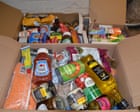
Across the nation, households are responding to government recommendations by gathering diverse essential items. The stockpiling emergency supplies trend includes non-perishable foods such as tinned goods, bottled water reserves, and important medications. Additionally, many residents are investing in backup power solutions, including portable power banks and alternative charging devices.
Beyond basic food and water supplies, people are securing items traditionally associated with extended lockdown periods, such as toilet paper and household essentials. This comprehensive approach reflects a holistic understanding of preparedness that extends beyond simple caloric intake to encompass comfort, hygiene, and technological connectivity.
Prioritized Items for Home Storage
Medical supplies represent a critical category in household emergency stockpiling emergency supplies strategies. Prescription medications, over-the-counter pain relievers, and first aid kits feature prominently in preparation plans. Residents recognize that maintaining access to healthcare essentials ensures wellbeing during disruptions when normal pharmaceutical access may be compromised.
Electronic devices and charging infrastructure have become unexpectedly crucial in contemporary emergency planning. Power banks, mobile phone chargers, and battery-operated radios enable households to maintain communication and information access when conventional utilities falter. This modern dimension of preparedness reflects society's dependence on digital connectivity.
Official Guidelines and Public Response
The government's three-day supply recommendation serves as a baseline standard that many households are exceeding. Citizens demonstrate varying levels of engagement with official guidance, with some viewing it as minimum baseline preparation while others interpret it as an opportunity for more extensive stockpiling emergency supplies initiatives.
Public reception to the campaign has revealed diverse perspectives on preparedness culture. Some view official recommendations as appropriate and reasonable safeguards against realistic threats. Others perceive the initiative as acknowledgment of fundamental vulnerabilities in national infrastructure and supply chain resilience.
Motivation Behind Enhanced Preparations
Russian geopolitical tensions feature prominently in residents' consciousness regarding emergency readiness. Concerns about state-sponsored disruption campaigns inform decision-making around household preparedness levels. Climate crisis warnings similarly motivate citizens to consider extreme weather scenarios and potential infrastructure failures resulting from environmental challenges.
These dual concerns—security threats and environmental risks—create compelling reasons for households to implement systematic stockpiling emergency supplies protocols. The convergence of multiple potential crisis scenarios encourages residents to view emergency preparation as pragmatic rather than alarmist.
Practical Implementation of Preparedness Plans
Effective stockpiling emergency supplies requires organization and strategic planning. Households must identify storage locations with appropriate temperature control and protection from moisture and pests. Rotating supplies ensures that stored items remain fresh and usable, preventing waste while maintaining preparedness.
Documentation practices help households track expiration dates and maintain awareness of stored inventory. Many residents utilize spreadsheets or inventory management applications to monitor supplies systematically. This structured approach prevents redundant purchases while ensuring comprehensive coverage across essential categories.
Water storage deserves particular attention in household preparations. Experts recommend one gallon per person per day for drinking and sanitation purposes. A three-day supply therefore requires substantial storage space, motivating many households to implement creative storage solutions in basements, garages, and utility closets.
Community and Economic Implications
Increased stockpiling emergency supplies demand has generated measurable economic activity. Retailers report elevated sales in categories including tinned foods, bottled water, batteries, and alternative fuel sources. This consumer behavior reflects genuine anxiety about crisis scenarios while simultaneously stimulating commercial activity across multiple retail sectors.
Supply chain implications warrant consideration as widespread stockpiling potentially concentrates purchasing within specific timeframes. Retailers must anticipate demand fluctuations while managing inventory effectively. Manufacturers experience corresponding pressure to increase production capacity in response to heightened consumer demand.
The phenomenon demonstrates how official communications about potential risks translate into behavioral changes at household and market levels. Preparedness initiatives generate cascading economic effects beyond their primary safety objectives.
Looking Forward: Preparedness as Ongoing Practice
Government guidance emphasizes that emergency stockpiling emergency supplies should constitute regular household practice rather than temporary response to immediate threats. Normalizing preparedness culture gradually integrates safety consciousness into everyday decision-making and purchasing patterns.
Households implementing systematic approaches to emergency supplies anticipate potential crises with realistic expectations and appropriate resources. This measured preparedness stance differs markedly from panic-driven hoarding behaviors. Strategic stockpiling represents informed citizenship and practical self-reliance within comprehensive emergency management frameworks.
As uncertainty persists regarding geopolitical developments and climate impacts, government recommendations for household preparedness will likely remain relevant guidance for UK residents. The stockpiling emergency supplies movement reflects broader societal recognition that individual and community resilience require active preparation and sustained attention to potential vulnerabilities.