Trump’s Holy War Abroad and at Home
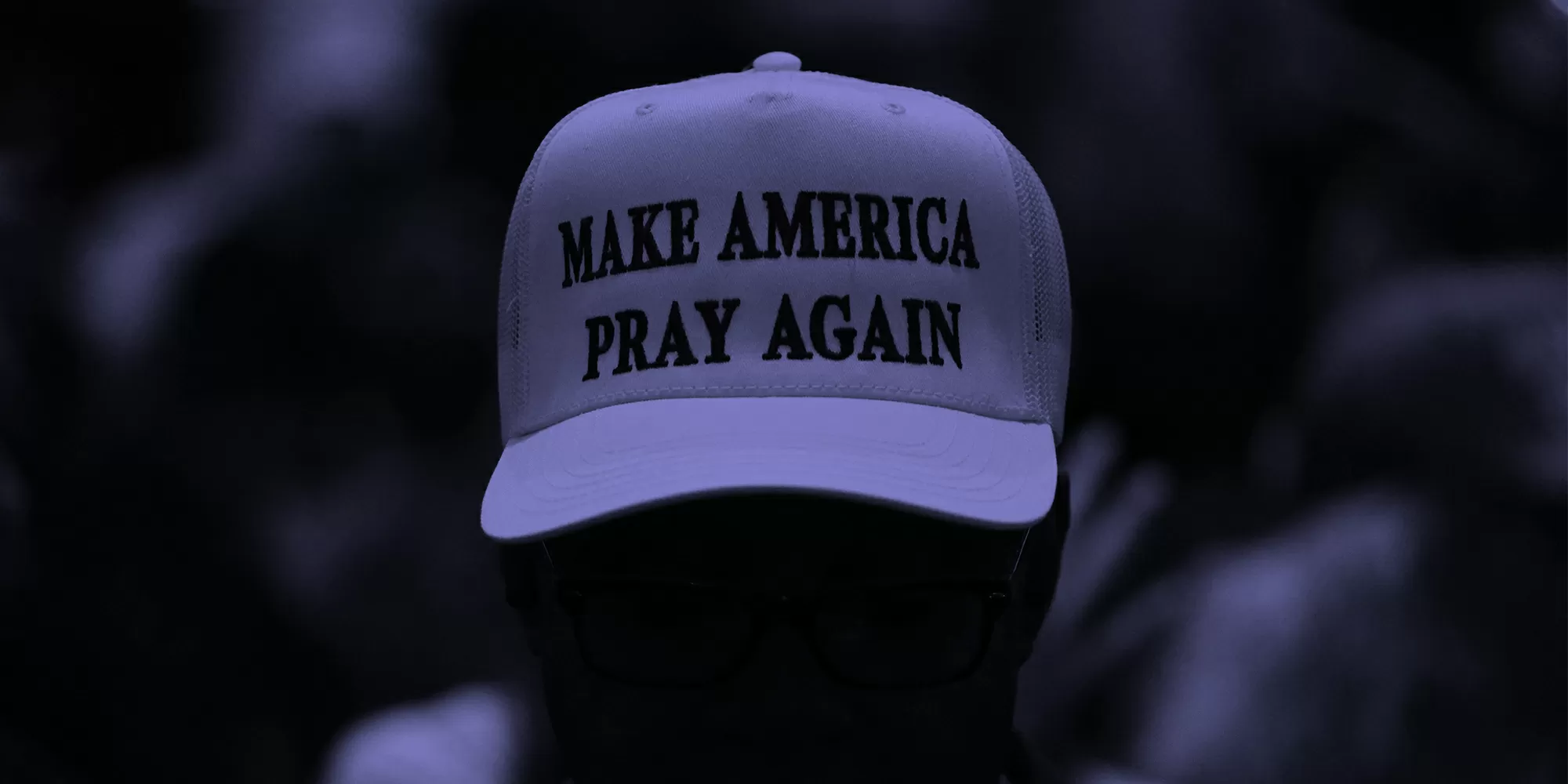
In a recent article for The Intercept, journalist Sarah Posner delved into the growing influence of the Christian right in shaping U.S. foreign and domestic policies. She highlighted how their end times views are playing a significant role in the decisions being made by the Trump administration. This has not only led to a dangerous "holy war" abroad, but also a divisive and fear-mongering atmosphere at home.
The term "end times" refers to a belief among some Christians that the world is on the brink of an apocalyptic event, where Jesus will return to earth to establish his kingdom. This belief is rooted in interpretations of biblical prophecies, particularly the book of Revelation. While this may seem like a fringe belief, it has gained significant traction among the Christian right in recent years.
Posner points out that this belief in the end times has led to a dangerous foreign policy where the U.S. is seen as a crucial player in fulfilling biblical prophecies. This has manifested in the Trump administration's decision to move the U.S. embassy to Jerusalem, a move celebrated by many evangelical Christians who see it as a step towards the fulfillment of biblical prophecy. It has also influenced the administration's policies towards Israel and the Middle East, with many evangelical leaders seeing Israel as a key player in the end times narrative.
But it's not just foreign policy that is being shaped by these beliefs. Posner highlights how the Christian right's end times views are also influencing domestic policies. She points to the appointment of religious fundamentalists like Vice President Mike Pence and Secretary of State Mike Pompeo, who hold these beliefs and actively promote them. Their presence in the administration has led to policies that cater to the evangelical base, such as the expansion of religious liberty and the appointment of conservative judges.
The influence of the Christian right goes beyond just policies. Posner notes that their end times views have also created a divisive and fear-mongering atmosphere in the U.S. This can be seen in the rhetoric used by Trump and his supporters, who often invoke religious language and paint a picture of a country under attack by outside forces. This has led to a rise in hate crimes and discrimination against minority groups, as well as a growing divide between those who hold different beliefs.
Posner's article sheds light on a concerning trend in U.S. politics, where religious beliefs are being used to shape policies and create a divisive atmosphere. It is essential to understand the influence of the Christian right and their end times views, as they continue to play a significant role in shaping the country's direction.
But it's not all doom and gloom. Posner also highlights the efforts of progressive Christians who are pushing back against this narrative and promoting a more inclusive and compassionate form of Christianity. These individuals are working towards creating a society that is based on love and acceptance, rather than fear and division.
In the end, it is up to us as citizens to educate ourselves and critically examine the beliefs and values that shape our policies and leaders. We must also strive to create a society that is based on mutual respect and understanding, rather than one that is fueled by fear and discrimination. As we navigate these uncertain times, it is crucial to remember that the only way forward is together, regardless of our religious beliefs.