Trump's Economic D-Day Strategy: Impact Analysis on Iran's Sanctions
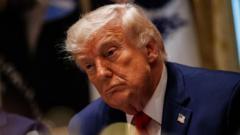
Understanding Trump's Economic D-Day Against Iran
The Trump administration's proposed economic D-Day strategy represents a significant escalation in pressure against Iran's already vulnerable economy. This comprehensive sanctions regime aims to dismantle the financial networks that have allowed Iran to circumvent previous restrictions. The economic D-Day approach differs from conventional sanctions by targeting multiple economic sectors simultaneously, creating unprecedented challenges for Iranian policymakers and international traders.
Iran's Historical Resilience Against Economic Pressure
Over the past decade, Iran has demonstrated remarkable adaptability in responding to international sanctions. The nation's economy has weathered extended periods of financial isolation through creative workarounds, informal trading networks, and strategic partnerships with sympathetic nations. However, experts warn that the scale and scope of Trump's economic D-Day initiative may exceed Iran's historical capacity to absorb external economic shocks.
Previous Sanctions Success and Limitations
Earlier rounds of sanctions targeting Iran's oil exports, banking sector, and access to international currency markets have measurably impacted the country's gross domestic product and inflation rates. Yet Iranian officials and business leaders have consistently found alternative routes for commerce, including utilizing intermediaries in neutral countries and developing cryptocurrency-based transaction systems. These adaptive mechanisms have kept certain sectors of the Iranian economy functioning despite external pressure.
The Scope of Trump's Economic D-Day Initiative
The economic D-Day strategy encompasses broader targeting mechanisms than previous administrations implemented. This approach focuses on secondary sanctions, which penalize foreign companies and financial institutions for doing business with Iran. Additionally, the strategy aims to undermine Iran's remaining access to international banking systems and restrict its ability to convert oil revenues into usable currency.
Secondary Sanctions as Economic Weaponry
Secondary sanctions represent the cutting edge of modern economic coercion. By threatening penalties against third parties conducting trade with Iran, the United States attempts to isolate Iranian commerce globally. This mechanism has proven effective against other nations but requires substantial diplomatic pressure to maintain compliance among trading partners seeking profitable Iranian markets.
Potential Economic Consequences for Iran
Financial analysts predict that Trump's economic D-Day could inflict severe damage on Iran's already strained economy. Oil exports, which constitute approximately 80 percent of government revenue, face potential elimination from global markets. The resulting fiscal crisis could force difficult decisions regarding healthcare, education, and social service funding.
Currency Devaluation and Inflation Pressures
Previous sanctions have caused the Iranian rial to lose substantial value against international currencies. An intensified economic D-Day campaign could accelerate currency depreciation, making imports prohibitively expensive and driving domestic inflation higher. Citizens purchasing essential goods would face dramatically increased costs, potentially triggering social unrest and public dissatisfaction.
Energy Sector Vulnerability
Iran's energy infrastructure has suffered from decades of underinvestment due to sanctions limiting access to modern drilling technology and refining equipment. An economic D-Day strategy targeting petroleum production would strike at Iran's most productive sector, potentially reducing export capacity below current diminished levels and decreasing government revenues further.
Comparison with Iran's Past Economic Adaptation Strategies
Historically, Iran has counteracted sanctions through bartering arrangements, establishing trade corridors through sympathetic nations, and developing informal financial networks outside traditional banking systems. The effectiveness of these mechanisms against Trump's economic D-Day remains uncertain, particularly if the strategy achieves broad international compliance.
Shifting Trade Partnerships
China and Russia have previously served as important trading partners willing to accept Iranian oil despite international pressure. However, these nations also face complex geopolitical considerations limiting their willingness to become primary Iranian trade outlets, potentially constraining Iran's options under an intensified economic D-Day regimen.
Long-Term Economic and Political Ramifications
Economic experts suggest that the severity of Trump's economic D-Day could produce profound structural damage to Iran's economy, potentially requiring decades to repair. Beyond immediate financial hardship, sustained economic pressure might fundamentally reshape Iranian society, politics, and foreign relations. The balance between economic coercion and unintended humanitarian consequences remains a significant analytical challenge.
Humanitarian Considerations in Economic Warfare
International observers have expressed concern that comprehensive economic sanctions, including those proposed under Trump's economic D-Day framework, could disproportionately harm ordinary Iranian citizens while enriching connected elites. Medicine shortages, reduced food availability, and healthcare system strain represent documented consequences of previous sanctions regimes.
Conclusion: Assessing Economic D-Day's True Impact
Trump's economic D-Day strategy represents a qualitative shift in sanctions intensity against Iran. While Iran has previously adapted to international economic pressure through creative financial mechanisms, the proposed approach aims to eliminate remaining workarounds. The ultimate effectiveness of this strategy depends on maintaining international compliance, a challenge that persists in modern global commerce. Economic analysts will continue monitoring how Iran responds to this unprecedented pressure and whether its proven adaptive capacity can overcome the comprehensive nature of the economic D-Day initiative.


