Trump Pledges EU Investigation Over Tech Giant Fines
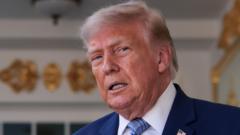
Trump Announces Investigation Into EU Tech Penalties
The United States President has declared intentions to launch a comprehensive investigation into European Union enforcement actions against major American technology corporations. Trump's announcement regarding EU fines US tech companies marks a significant escalation in transatlantic regulatory tensions and reflects growing frustration from Washington over what administration officials characterize as discriminatory trade practices.
Demands for Complete Reversal of Fines
President Trump has explicitly stated that financial penalties imposed on leading technology firms, including Google, Apple, Meta Platforms, and Amazon, should be "entirely reversed." This position represents a hardline stance on what the administration views as unjust regulatory persecution targeting dominant American companies operating within European markets.
Scope of EU Enforcement Actions
The European Union has imposed substantial financial penalties against multiple US-based technology corporations over the past several years. Google has faced particularly significant enforcement actions related to antitrust allegations and digital market practices. Apple received fines concerning app store policies and competition regulations. Meta, formerly known as Facebook, encountered sanctions related to data privacy violations and anti-competitive conduct. Amazon also faced investigations regarding marketplace practices and competitive fairness concerns.
These regulatory actions represent the EU's aggressive approach toward technology sector oversight, with regulators implementing the Digital Markets Act and Digital Services Act to establish stricter controls over major platforms' operations within European jurisdiction.
Trump's Trade Policy Direction
This announcement aligns with broader Trump administration policies emphasizing protectionist measures and challenging what officials perceive as unfair foreign trade practices. The focus on EU fines US tech companies demonstrates the President's commitment to defending American business interests internationally and challenging regulatory frameworks perceived as hostile to US corporate interests.
Potential Diplomatic and Economic Implications
The investigation threat could intensify existing tensions between Washington and Brussels. The European Union has maintained that its regulatory actions comply with international law and represent legitimate competition enforcement necessary for protecting consumers and maintaining fair market conditions. EU officials have previously resisted pressure to modify enforcement decisions based on political considerations from major trading partners.
The proposed investigation raises questions about potential countermeasures the US government might consider, including possible tariffs, retaliatory trade restrictions, or other economic pressure tactics designed to force compliance with American preferences regarding EU regulatory policies.
Technology Sector Response
Major US technology companies have different perspectives on these developments. Some corporations view protective measures as beneficial for their interests, while others express concerns that escalating trade conflicts could create broader market instability and complicate international business operations. European competitors and smaller firms may view the situation differently, considering potential competitive advantages if large American platforms face restrictions.
Historical Context of US-EU Tech Disputes
Disagreements over technology regulation represent a long-standing point of contention between American and European authorities. The EU has consistently adopted more stringent privacy protections and competition standards compared to the United States regulatory framework. These philosophical differences have generated recurring conflicts over data transfers, algorithmic transparency, and market dominance definitions.
Trump's investigation announcement continues this pattern of confrontation, signaling that the administration intends to challenge EU regulatory autonomy more aggressively than previous American administrations.
Looking Forward
The specific details and timeline for the proposed investigation remain unclear. However, the President's unequivocal demand that fines be completely reversed establishes a clear position from which negotiations might proceed. Whether this represents genuine policy intention or negotiating leverage remains subject to interpretation among analysts and international trade observers.
The situation underscores ongoing complexities in international technology governance and the potential for regulatory differences to create significant diplomatic friction between major trading blocs during the coming years.


