Trump Issues Stern Warning to Iran's Negotiator During Switzerland Talks
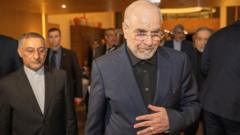
Trump and Iran's Negotiator Exchange Warnings During Switzerland Negotiations
Tensions between the United States and Iran have escalated significantly as Trump and Iran's negotiator engage in a series of escalating warnings during diplomatic talks held in Switzerland. The US president, despite his absence from the direct negotiations, has made his position abundantly clear through stern statements directed at Iranian representatives, fundamentally altering the tone of international discussions surrounding Middle Eastern stability.
The central focus of Trump and Iran's negotiator discussions centers on the role of Hezbollah in Lebanon and the group's military activities along Israel's northern border. Trump has explicitly threatened potential military intervention should Iran fail to exercise meaningful restraint over the militant organization, setting a clear ultimatum for the ongoing Switzerland talks.
The Nature of Trump's Military Ultimatum
Through official channels and public statements, the US president has communicated an unambiguous message regarding American readiness to take military action. Trump's warnings specifically target Iran's alleged support and financing of Hezbollah operations, demanding that Tehran use its influence to significantly reduce cross-border military activities and provocations emanating from Lebanese territory.
This ultimatum represents a significant hardening of the American position at the negotiating table. By explicitly threatening military intervention, Trump has narrowed the diplomatic pathway considerably, placing pressure on Iran's negotiation team to respond constructively to American demands while maintaining their own national interests and regional influence.
Iran's Response and Counter-Warnings
The Iranian delegation participating in the Switzerland talks has not remained silent in response to Trump's threats. Iranian officials have issued their own warnings, suggesting that any American military action would result in severe consequences for regional stability and potential retaliation. This tit-for-tat exchange of threats has created a precarious diplomatic situation where both sides appear locked in a dangerous escalation cycle.
Iran's negotiator has emphasized that any meaningful discussions must acknowledge Tehran's legitimate security concerns and regional role. The Iranian position suggests that attempts to dictate policy through military threats rather than diplomacy will prove counterproductive to achieving lasting agreements that address the underlying causes of regional tension.
Hezbollah's Role in Escalating Tensions
The dispute over Hezbollah remains central to the deteriorating relationship between Washington and Tehran. The Lebanon-based militant group, which maintains close ties to Iran and receives substantial support from the Islamic Republic, has been blamed for numerous attacks and provocations that have threatened Israeli security and regional peace.
Trump's focus on constraining Hezbollah reflects broader American strategic concerns about Iranian influence throughout the Middle East. The group's military capabilities and willingness to engage in cross-border operations represent what Washington views as an unacceptable threat to regional allies, particularly Israel. Consequently, demands for Iran to restrain its proxy forces have become non-negotiable components of American negotiating positions during the Switzerland talks.
Diplomatic Breakdown and Future Implications
The escalating rhetoric between Trump and Iran's negotiator signals potential difficulties ahead for continued diplomatic engagement. When military threats become the primary mode of communication rather than good-faith negotiation, the space for productive dialogue shrinks considerably. Both sides appear positioned for confrontation rather than compromise, raising concerns about the viability of the Switzerland talks achieving meaningful results.
The absence of the US president from the direct negotiations has not diminished his influence over proceedings. Instead, Trump's public statements have effectively set the parameters within which his negotiating team must operate, leaving little room for flexibility or creative diplomatic solutions. This approach has fundamentally altered the negotiating atmosphere and complicated efforts by more moderate voices on both sides to find common ground.
International Community's Position
Other international actors observing the Trump and Iran standoff during the Switzerland talks have expressed concern about the hardening positions on both sides. Diplomatic observers warn that the current trajectory favors escalation over resolution, potentially leading to regional conflict that could destabilize a already volatile Middle East.
European nations and other diplomatic partners have urged restraint and continued dialogue, emphasizing that military threats represent a counterproductive approach to addressing legitimate security concerns. However, their appeals for moderation appear to have limited influence as Trump maintains his aggressive stance regarding Iran's activities in Lebanon and throughout the region.
Conclusion
The exchange of warnings between Trump and Iran's negotiator at the Switzerland talks reflects the profound challenges facing international diplomacy in the contemporary Middle East. As military threats replace constructive dialogue, the prospects for peaceful resolution to longstanding tensions continue to diminish. The coming weeks will prove critical in determining whether diplomatic channels can be restored or whether the region faces further destabilization from military confrontation.


