Trump Evaluates AI Regulations Following OpenAI Security Breach
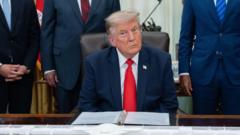
Trump Administration's Shift on AI Regulations
The Trump administration is evaluating potential AI regulations and security measures following recent hacking incidents at OpenAI, marking a significant departure from its previous stance on artificial intelligence oversight. This shift toward more stringent AI regulations represents a notable change in policy direction for an administration that has historically favored minimal government intervention in technological development and innovation.
Previously, the Trump administration maintained a predominantly hands-off approach to artificial intelligence regulation, prioritizing market-driven solutions and private sector innovation. However, the OpenAI security incidents have prompted reconsideration of this laissez-faire strategy, suggesting that national security concerns and data protection issues may outweigh earlier commitments to regulatory restraint.
Understanding the OpenAI Security Incidents
The hacking incidents at OpenAI have raised serious questions about the vulnerability of critical AI systems and the potential risks posed by inadequate cybersecurity infrastructure. These security breaches underscore the growing importance of protecting advanced AI technologies from unauthorized access and malicious actors who could exploit these systems for harmful purposes.
The incidents have drawn attention to how large-scale AI platforms handle sensitive data and the measures currently in place to defend against cyber threats. Government officials and policymakers now recognize that establishing baseline security standards for AI regulations could prevent future breaches and protect both commercial interests and national security.
Implications for AI Industry Governance
The consideration of new AI regulations under the Trump administration could reshape how technology companies develop, deploy, and maintain artificial intelligence systems. Potential regulatory frameworks might address cybersecurity requirements, data protection protocols, and transparency standards for major AI platforms and their operators.
Industry experts suggest that government involvement in setting AI security standards could establish minimum compliance requirements that prevent the most egregious security failures. This approach would balance innovation concerns with legitimate national security interests, creating a regulatory environment that protects critical systems while allowing technological advancement to continue.
The Broader Context of AI Policy
The move toward AI regulations reflects growing international recognition that artificial intelligence capabilities require some level of government oversight and control. Major nations worldwide are developing their own frameworks for governing AI development, recognizing that unregulated expansion of these powerful technologies poses potential risks to economic stability, national security, and public safety.
The Trump administration's reconsideration of its earlier hands-off approach suggests that policymakers are weighing competing interests between fostering American technological leadership and ensuring adequate protection against emerging cyber threats. This balancing act will likely define how future AI regulations are formulated and implemented across federal agencies.
Next Steps in Policy Development
As the administration evaluates appropriate AI regulations and control mechanisms, stakeholders from both the government and private sector will participate in discussions about optimal governance structures. These conversations will determine whether new regulations take the form of formal legislative action, executive directives, or collaborative industry standards developed in partnership with federal agencies.
The outcome of these policy deliberations will have far-reaching consequences for how American companies compete in the global AI market and how effectively the nation can protect its digital infrastructure from sophisticated cyber threats. The shift toward evaluating AI regulations marks an important moment in determining the future relationship between government and the rapidly evolving artificial intelligence industry.


