Trump Administration Removes Syria from Terrorism Sponsors List
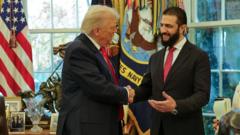
Syria Removed from Terrorism Sponsors List Under New Administration Policy
In a significant diplomatic shift, the Trump administration has announced the removal of Syria from the official list of state sponsors of terrorism. This consequential decision marks a notable change in U.S. foreign policy toward the Middle Eastern nation and reflects a recalibration of relations following recent political developments in Damascus.
The move to delist Syria from terrorism sponsors list represents one of the most substantial policy adjustments regarding Syria in recent years. The designation, which had remained in place for decades, carried substantial economic and diplomatic consequences for the Syrian government, including restrictions on trade, military aid limitations, and international financial sanctions.
New Leadership and Diplomatic Engagement
The Trump administration's decision to remove Syria from the terrorism sponsors list has been coupled with an embrace of the country's new leadership. The administration has extended diplomatic recognition and engagement toward Syria's newly established president, signaling a willingness to normalize relations with Damascus under the revised political circumstances.
This pivot in approach demonstrates the administration's confidence in the new Syrian government's commitment to counter-terrorism efforts and regional stability. By removing the designation, Washington aims to facilitate greater diplomatic cooperation and potentially reshape its strategic posture in the Eastern Mediterranean and broader Middle East region.
Implications for International Relations
The removal from the terrorism sponsors list carries substantial implications for Syria's international standing. Nations worldwide have traditionally aligned their policies with U.S. designations regarding state sponsors of terrorism, making America's decision influential in reshaping Syria's diplomatic position globally. This shift is expected to open pathways for increased foreign investment, renewed trade partnerships, and broader regional engagement.
The delisting decision may also facilitate Syria's potential reintegration into international institutions and agreements from which it had been isolated due to its terrorism designation. Such measures could accelerate Syria's rehabilitation within the international community and establish new frameworks for economic and political cooperation.
Regional Context and Geopolitical Considerations
The administration's decision to remove Syria from the terrorism sponsors list must be understood within the broader context of evolving geopolitical dynamics in the Middle East. The region has witnessed significant transformations in recent years, including shifts in power structures, the rise of new leadership, and changing strategic partnerships among various nations.
Syria's removal from the terrorism sponsors list reflects recognition of these changing circumstances and the administration's assessment that the current political situation warrants adjusted U.S. policy responses. This determination aligns with broader efforts to recalibrate American engagement across the Middle East region and establish more pragmatic diplomatic relationships based on contemporary realities.
Economic and Trade Ramifications
Lifting Syria from the terrorism sponsors list is anticipated to produce tangible economic consequences. Trade restrictions that had previously hindered commerce between Syria and American companies are expected to be gradually eased, potentially opening new market opportunities and commercial ventures. This economic dimension represents a practical aspect of the broader diplomatic normalization being pursued.
The decision may also influence international financial institutions' willingness to engage with Syria, potentially facilitating access to credit mechanisms and investment capital that had previously been restricted. Such developments could contribute to Syria's economic reconstruction and development initiatives moving forward.
Conclusion
The Trump administration's decision to remove Syria from the state sponsors of terrorism list and engage with its new leadership represents a transformative moment in U.S.-Syria relations. This policy adjustment reflects changing assessments of the security environment, confidence in revised Syrian governance, and a broader recalibration of American Middle Eastern strategy. The implications of this shift will continue to unfold as diplomatic, economic, and security dimensions of the relationship develop under the new framework established by this consequential decision.


