Torture Survivors Possibly Placed Unlawfully at Sussex Asylum Facility
Undercover Investigation Reveals Serious Concerns at East Sussex Facility
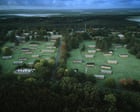
An undercover ITV documentary has uncovered troubling evidence suggesting that asylum seekers Sussex facilities may be operating with significant legal and procedural deficiencies. The investigation, conducted at a former military training installation in East Sussex, raises critical questions about whether vulnerable individuals, particularly torture survivors, have been placed at the site in violation of regulations.
The documentary titled Inside The Asylum Camp features an undercover ITV reporter who secured employment as a welfare officer at the Crowborough facility. Through covert filming conducted throughout the investigation, the reporter documented widespread concerns about screening protocols and support mechanisms currently in place for residents at this controversial accommodation center.
Inadequate Welfare Checks at Crowborough Military Base
The facility in question operates as a mass accommodation site managed by a firm connected to prominent asylum sector businessman Graham King. According to the documentary's findings, welfare checks asylum camps at this location fall significantly short of required standards. The undercover footage demonstrates that welfare assessments lack the thoroughness and frequency necessary to properly support vulnerable populations.
These inadequate welfare checks represent a systematic failure in duty of care obligations. Residents including those with documented trauma histories have reportedly received minimal monitoring and support services. The investigation suggests that the company operating the facility has prioritized accommodation capacity over resident wellbeing, creating an environment where vulnerable individuals receive insufficient attention and assistance.
Legal Violations Concerning Torture Survivors
Perhaps most concerning are the documentary's revelations regarding torture survivors unlawful placement at the Crowborough military base. International law and UK regulations establish strict guidelines about accommodating individuals who have experienced torture. These protections mandate specialized care, trauma-informed approaches, and careful assessment before placement.
The ITV investigation indicates that screening mechanisms failed to identify torture survivors or failed to exclude them from facilities deemed inappropriate for their specific needs. This represents a potential breach of fundamental legal protections designed to safeguard some of the most vulnerable asylum populations. The documentary evidence suggests deliberate oversight rather than administrative error in these placement decisions.
Government Policy and Mass Accommodation Strategy
The Crowborough military base facility represents a cornerstone of the government's broader strategy to eliminate hotel-based accommodation for asylum seekers. Instead, the administration has championed large-scale institutional sites like this former military training center. However, the ITV investigation suggests this policy shift may have compromised care standards and legal compliance.
Mass accommodation sites were envisioned as cost-effective alternatives providing comprehensive support services. The reality documented by ITV suggests these facilities operate with stretched resources and inadequate oversight, creating conditions that may violate established legal frameworks protecting asylum seekers' rights and welfare.
Undercover Methodology and Evidence
The documentary's credibility derives from its undercover methodology. By embedding a reporter within the facility's staff structure, ITV gained unprecedented access to daily operations and decision-making processes. The reporter worked directly as a welfare officer, experiencing firsthand the constraints, procedures, and deficiencies characterizing the facility's approach to resident care.
This journalism approach allowed documentation of specific incidents, training gaps, and procedural failures impossible to capture through standard interviews or external observation. The covert filming provides visual evidence of conditions and practices that might otherwise remain concealed from public scrutiny and regulatory bodies.
Broader Implications for Asylum System
The findings regarding Graham King asylum facilities extend beyond a single location. King's commercial operations encompass multiple asylum accommodation sites across the United Kingdom. The documentary's revelations suggest systematic issues potentially affecting numerous facilities and hundreds of vulnerable residents.
Questions arise about regulatory oversight mechanisms, inspection protocols, and enforcement capabilities governing private asylum accommodation providers. The investigation implies that current monitoring systems may be insufficient to detect and prevent legal violations and welfare failures occurring within these facilities.
Next Steps and Regulatory Response
The ITV documentary's release triggers mandatory responses from regulatory bodies, government officials, and oversight agencies. Investigations into specific allegations must determine whether asylum seekers Sussex placements violated legal requirements and whether systematic failures characterized operations at Crowborough and related facilities.
The documentary serves as a catalyst for policy reconsideration regarding mass accommodation site implementation. Policymakers face mounting evidence that current approaches may inadequately protect vulnerable populations while potentially breaching legal obligations established through domestic law and international conventions protecting asylum seekers and torture survivors.