Technology Advances in Wildfire Detection and Prevention
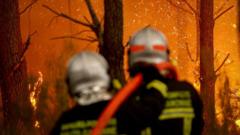
The Role of Technology in Wildfire Detection and Prevention
Wildfire detection technology has emerged as a critical tool in modern emergency response systems, fundamentally changing how authorities identify and monitor fire threats across vast territories. While these technological innovations have revolutionized early warning capabilities, the essential role of firefighters in combating active wildfires remains irreplaceable. The integration of advanced monitoring systems represents a significant step forward in reducing response times and protecting communities at risk.
Advanced Monitoring Systems and Early Detection
Surveillance networks equipped with artificial intelligence and satellite imagery have dramatically improved the speed at which fires are identified. Real-time monitoring systems can detect smoke, thermal anomalies, and environmental conditions that indicate fire risk long before human observers would notice them. These technological solutions enable emergency management agencies to gather critical data instantaneously, allowing them to dispatch resources more efficiently and establish evacuation protocols faster than ever before.
Satellite and Drone Technology
Modern satellites and unmanned aerial vehicles have become indispensable tools for tracking fire progression and assessing affected areas. Drone technology provides unprecedented visibility into remote regions where traditional ground-based monitoring would be impractical. These aerial platforms collect high-resolution imagery that helps firefighting teams understand terrain challenges, identify escape routes, and plan strategic containment approaches.
Why Firefighters Remain Irreplaceable
Despite remarkable advances in wildfire detection technology, the human element of firefighting cannot be automated. Firefighters provide the physical intervention necessary to extinguish flames, control fire spread, and protect lives and property. Their expertise, decision-making ability, and capacity to adapt to unpredictable fire behavior make them essential components of any comprehensive wildfire response strategy. Technology enhances their capabilities but does not eliminate the need for trained personnel on the ground.
Ground-Level Operations and Safety
Firefighting teams execute critical operations that require physical presence in dangerous environments. They construct firebreaks, manage water distribution, rescue stranded individuals, and make split-second tactical decisions based on real-world conditions. The combination of technology-provided information with firefighter experience creates an optimal response system that maximizes safety and effectiveness.
Integrated Approach: Technology and Human Expertise
The most effective wildfire management strategies combine advanced technological capabilities with skilled firefighting personnel. Data-driven insights from monitoring systems inform firefighter deployment, resource allocation, and operational planning. This synergistic approach accelerates response times, improves coordination between agencies, and enhances overall emergency management outcomes.
Communication and Coordination
Modern communication networks enable real-time information sharing between monitoring centers and field teams. Firefighters receive continuous updates about fire behavior, weather conditions, and environmental factors, allowing them to adapt their tactics dynamically. This information flow improves decision-making at every level of wildfire response operations.
Current Technological Implementations
Fire prevention agencies worldwide are investing in sophisticated detection networks that include thermal imaging, automated alert systems, and predictive analytics. These systems analyze weather patterns, vegetation conditions, and historical fire data to forecast high-risk periods and locations. When combined with rapid firefighter deployment capabilities, this technological foundation substantially reduces the time between fire detection and initial containment efforts.
The Future of Wildfire Management
Continued technological advancement will enhance wildfire prevention and response capabilities, but human firefighters will remain essential for controlling active fires. Future innovations may focus on protective equipment, autonomous water delivery systems, and predictive modeling that helps prevent fires before they ignite. However, the core responsibility of firefighters—protecting communities from fire danger—requires human judgment, courage, and specialized training that technology cannot replicate.
The evolution of wildfire management demonstrates that technological progress and human expertise create the most effective emergency response systems. As threats increase due to climate factors and environmental changes, the combination of advanced detection technology and dedicated firefighting personnel represents the most promising strategy for protecting lives, property, and natural resources from wildfire dangers.


