Russia and Ukraine Exchange Deadly Attacks in Ongoing Conflict
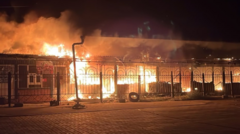
Russia and Ukraine Escalate Deadly Military Operations
The Russia and Ukraine conflict has intensified dramatically as both nations report significant casualties following a new round of military strikes. Moscow announced that nine individuals lost their lives within a 24-hour period, while Ukrainian officials confirmed four deaths from corresponding attacks, highlighting the severe human toll of the ongoing confrontation between the two nations.
Moscow's Assessment of Recent Casualties
Russian authorities released figures indicating that nine people were killed during the previous day due to Ukrainian military actions. These casualties represent a continuation of the pattern of exchanges that have characterized recent developments in the Russia and Ukraine conflict. The reported deaths underscore the persistent danger facing civilian populations and military personnel alike in affected regions.
Moscow's statement comes amid a broader context of intensified military operations along multiple fronts. Officials did not provide detailed information about the specific locations or nature of the attacks that resulted in these casualties, but the announcement reflects the escalating nature of the conflict.
Kyiv Confirms Counter-Strike Results
In response to Moscow's claims, Kyiv reported that four individuals were killed as a result of Russian military operations during the same timeframe. Ukrainian authorities maintained their position that they continue to conduct defensive and counter-offensive operations against Russian forces, emphasizing their commitment to protecting their territory and population.
The discrepancy between casualty figures reported by each side is not unusual in conflict situations, as different methodologies, reporting standards, and access to affected areas often result in varying official counts. Both nations have historically presented data that reflects their respective military and political perspectives.
Context of the Ongoing Conflict
The exchange of deadly strikes represents another chapter in the prolonged military struggle between Russia and Ukraine. The conflict has resulted in widespread destruction, displacement of populations, and significant international concern regarding regional stability and global security implications.
Military analysts note that the intensity and frequency of reported casualties suggest sustained combat operations across multiple sectors of the conflict zone. The Russia and Ukraine conflict has shown no signs of de-escalation despite international diplomatic efforts and humanitarian appeals from various organizations.
International Response and Monitoring
International organizations and independent observers continue to monitor the situation closely, attempting to verify casualty figures and assess the humanitarian impact of ongoing military operations. Humanitarian agencies have expressed growing concern about the welfare of civilians trapped in conflict zones and have called for increased access to affected populations.
The sustained nature of these reports indicates that the Russia and Ukraine conflict remains an active and dangerous situation requiring continued international attention. Both nations maintain their stated positions regarding the legitimacy of their military actions, with Moscow claiming defensive measures and Kyiv asserting its right to resist occupation.
Long-Term Implications
As the conflict continues, the accumulation of casualties and destruction raises critical questions about the feasibility of peaceful resolution and the humanitarian cost of prolonged military engagement. The Russia and Ukraine conflict represents one of the most significant geopolitical crises of recent years, with implications extending far beyond the borders of the two nations involved.
Military observers suggest that without significant diplomatic breakthroughs or changes in battlefield dynamics, reports of casualties and strikes are likely to continue. The international community remains engaged in discussions aimed at facilitating dialogue and exploring pathways toward conflict resolution, though progress has been limited.


