Romania Closes Nuclear Reactor Amid Historic Danube Water Crisis
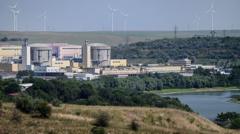
Romania's Nuclear Facility Halts Operations
Romania's sole nuclear power station has ceased operations as unprecedented high temperatures have dramatically reduced water availability in the Danube River, creating a critical energy shortage across the nation. The Cernavodă plant, responsible for generating one-fifth of the country's total electricity supply, faces an extended closure period with no immediate timeline for resumption of power generation activities.
Impact on National Energy Infrastructure
The shutdown of this major facility represents a significant challenge to Romania's energy infrastructure and grid stability. With the nuclear plant offline, authorities must seek alternative sources to compensate for the lost electrical capacity that normally feeds millions of Romanian households and industrial consumers.
Water Scarcity and Climate Challenges
The exceptionally hot weather conditions have created an unprecedented environmental situation along the Danube River, which serves critical functions beyond energy generation. The dramatic decline in water levels threatens navigation routes, agricultural irrigation systems, and cooling mechanisms for various industrial facilities throughout the region. This climate-induced crisis highlights the vulnerability of energy systems dependent on adequate water resources for thermal regulation.
Extended Shutdown Period
Officials have indicated that the Cernavodă nuclear installation will likely remain disconnected from the grid for at least ten consecutive days, though projections suggest the restoration timeline could extend considerably longer depending on precipitation patterns and temperature trends. This prolonged operational halt creates uncertainty across Romania's energy sector and forces policymakers to implement contingency measures.
Broader Regional Implications
The temporary loss of such substantial generation capacity affects not only domestic electricity distribution but also Romania's capacity to support interconnected European power markets. The Cernavodă facility's contribution of twenty percent of national electricity production demonstrates how climate extremes can rapidly destabilize even well-established energy infrastructure.
Looking Forward
This situation underscores the complex relationships between climate patterns, water resource management, and energy security in Central and Eastern Europe. As global temperatures continue rising, nuclear facilities and other water-dependent power stations face mounting operational constraints that require innovative adaptation strategies and long-term infrastructure planning.


