New coalition calls for state crackdowns on prediction markets
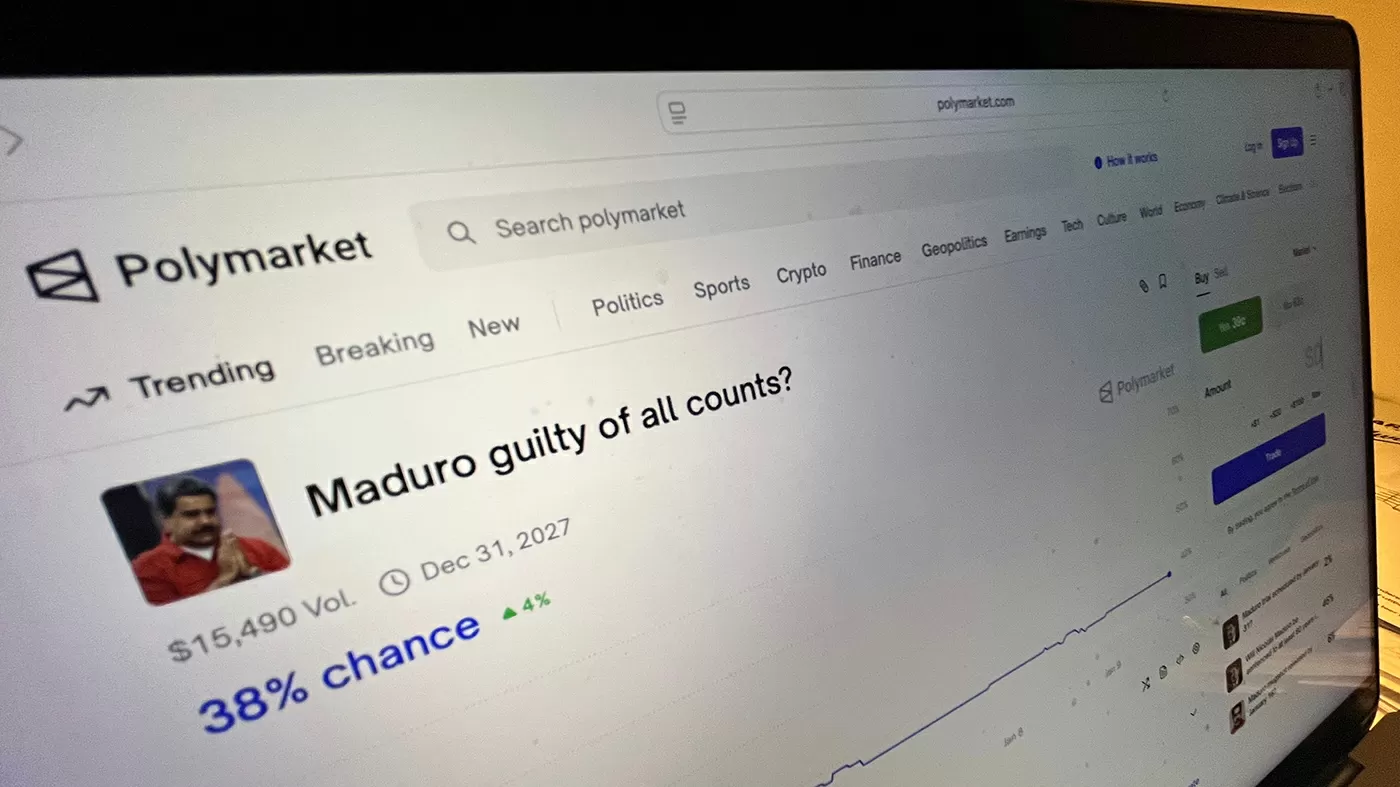
A new coalition has emerged, galvanized by the rise of prediction markets, aiming to enforce state and tribal gaming laws. This coalition, called Gambling Is Not Investing, was launched on Monday and has garnered significant attention within the public sphere. Their mission is clear: they seek to put a stop to prediction markets, which they claim facilitate illegal sports betting. This controversial topic has sparked debates and discussions among industry experts and lawmakers alike, as the implications for the economy, society, and the law are far-reaching.
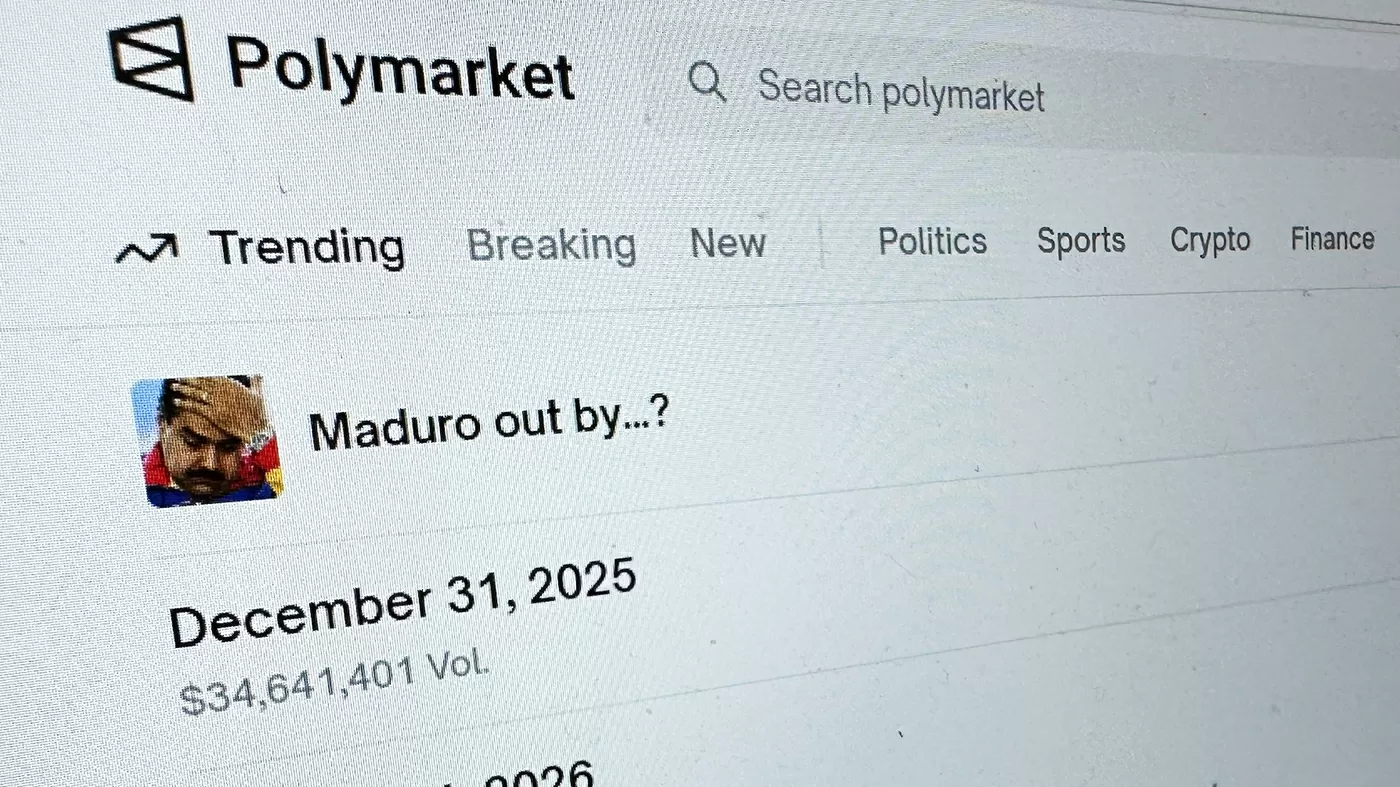
At the heart of this movement is the concern that federally regulated prediction markets are operating in states where sports betting is illegal. These platforms, which allow participants to speculate on the outcome of future events, have been gaining popularity in recent years. While they may seem harmless at first glance, the coalition argues that they are functioning as a loophole, allowing illegal gambling to take place under the guise of investing.
According to the coalition, this is not just a matter of breaking the law, but also one of morality. They contend that prediction markets are targeting vulnerable individuals, who may be tempted to risk their hard-earned money with the promise of high returns. They also point out that these markets are marketed as a form of investment, but in reality, they are nothing more than a form of gambling. This distinction is important, as gambling laws are in place to regulate and control the industry, while investment laws are designed to protect investors. By blurring the lines between the two, prediction markets are not only subverting the law, but also putting individuals at risk.
One of the biggest concerns raised by the coalition is the impact of prediction markets on the already struggling gambling industry. Many states have strict regulations in place when it comes to gambling, and for good reason. The negative effects of gambling, such as addiction and financial ruin, are well-documented. The coalition argues that by allowing prediction markets to operate, the gambling industry will suffer further losses, leading to job cuts and economic instability.
Furthermore, the coalition believes that the growth of prediction markets could potentially lead to an increase in illegal sports betting. By offering similar services as traditional bookmakers, prediction markets make it much easier for individuals to place bets on sporting events. This poses a significant threat to the integrity of sports and the fairness of competitions. It also puts a strain on law enforcement agencies, who are already struggling to combat illegal gambling activities.
While the coalition acknowledges that prediction markets may have some benefits, such as providing a platform for fans to engage with and predict outcomes of their favorite sporting events, they argue that these benefits do not outweigh the potential harm. They are calling for strict enforcement of existing gaming laws to ensure that prediction markets do not operate in states where sports betting is illegal. They believe that this will not only protect individuals from falling prey to illegal activities, but also safeguard the integrity of the gambling industry and sports as a whole.
In response to the claims made by the coalition, supporters of prediction markets argue that their platforms are not facilitating illegal gambling, but rather providing a service for individuals to express their opinions and predictions. They also argue that the line between gambling and investing is becoming increasingly blurred in today's digital landscape, and that predicting outcomes of future events is not a new concept. However, the coalition remains determined in their stance, and continue to push for action to be taken.
As the debate rages on, one thing is clear: the rise of prediction markets has brought to light the need for a comprehensive and updated approach to regulating the gaming industry. It is important for governments to take a proactive stance in addressing this issue and to work together to find solutions that protect individuals while also allowing for innovation and progress. The coalition's efforts to enforce state and tribal gaming laws are a step in the right direction towards finding a balance between the regulation of gambling and the freedom to invest. Only time will tell how this issue will ultimately be resolved, but one thing is for sure – the debate over the legality and morality of prediction markets is far from over.