Netanyahu Rejects Trump's Gaza Plan: A Strategic Calculation in Israeli Politics
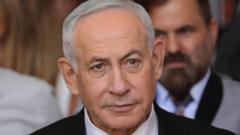
Netanyahu's Strategic Rejection of Trump's Gaza Initiative
Prime Minister Benjamin Netanyahu's rejection of Trump's 15-point Gaza plan has become a focal point in ongoing discussions about Israeli policy and international diplomatic efforts. The Trump administration, however, continues to view Netanyahu's position as tactical maneuvering rather than a definitive stance on the broader peace initiative.
Understanding the Trump Administration's Perspective
Sources close to the Trump administration indicate that officials remain largely unperturbed by Netanyahu's public refusal to endorse the comprehensive Gaza proposal. Rather than interpreting the rejection as a final determination, the administration characterizes it as campaign rhetoric—a calculated move by the Israeli prime minister as he navigates complex domestic political pressures ahead of forthcoming general elections.
This assessment reflects a nuanced understanding of Israeli electoral dynamics and the pressures Netanyahu faces from various political factions within his coalition government. The Trump team's relatively measured response suggests confidence that negotiations may continue despite the public posturing.
The Political Context Behind Netanyahu's Position
Netanyahu operates within a delicate political landscape where he must balance competing interests from his governing coalition partners, the general Israeli electorate, and international stakeholders. The rejection of Trump's Gaza plan cannot be fully understood without examining these interconnected political pressures.
His coalition includes parties with varying perspectives on Palestinian issues and territorial concerns. Some coalition members harbor more hardline positions, while others prioritize different policy objectives. Netanyahu's vocal rejection of the Trump proposal may serve multiple purposes simultaneously—addressing coalition concerns while maintaining the possibility of eventual diplomatic engagement.
Campaign Dynamics and Electoral Considerations
The timing of Netanyahu's rejection coincides with significant electoral considerations for his political future. General elections loom on Israel's horizon, creating an environment where political leaders often adopt rhetorical positions that resonate with their base constituencies. What appears as unwavering opposition in public statements may mask more flexible private negotiations.
Campaign cycles typically intensify political rhetoric across all parties and leaders involved in governance. Netanyahu's response to Trump's Gaza plan follows this predictable pattern, where public statements serve electoral purposes while actual policy implementation remains subject to future developments and diplomatic negotiations.
Trump Administration's Confidence in Ongoing Dialogue
The relative calm with which Trump administration officials have received Netanyahu's rejection suggests underlying confidence in the administration's diplomatic approach. Officials have indicated their belief that this represents a preliminary response rather than an immovable position that will define Israeli-American relations moving forward.
This confidence may stem from previous experiences with diplomatic negotiations, where initial public rejections have given way to serious discussions behind closed doors. The Trump team appears prepared for a more extended negotiation process that accounts for domestic political realities in Israel.
International Implications of the Gaza Plan Standoff
The broader international community watches these developments with keen interest, particularly nations and organizations invested in Middle Eastern stability. The tension between Trump's Gaza plan and Netanyahu's rejection touches on fundamental questions about Palestinian sovereignty, Israeli security, and the pathway toward regional peace.
Various stakeholders maintain different interpretations of Netanyahu's stance. Some view it as a rejection of American leadership, while others recognize it as necessary domestic positioning. International observers must grapple with these competing narratives when assessing the true trajectory of Israeli-Palestinian peace efforts.
What Lies Ahead for Negotiations
The current standoff does not necessarily signal the conclusion of diplomatic efforts surrounding the Gaza question. Both the Trump administration and Netanyahu's government maintain stakes in resolution, even if their public positions currently diverge. Future developments will likely reveal whether Netanyahu's rejection represents genuine policy opposition or tactical repositioning.
The coming weeks and months will prove instructive as election pressures evolve and international circumstances change. Netanyahu's flexibility or rigidity on Trump's Gaza plan will become clearer once electoral demands shift and new political realities emerge in Israel's governmental landscape.


