Nepal-Tibet Floods Leave Hundreds Dead and Missing
Nepal-Tibet Floods: A Catastrophic Natural Disaster Unfolds
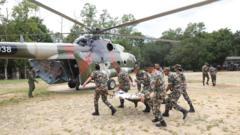
The Nepal-Tibet floods have resulted in a devastating humanitarian crisis, with hundreds of people confirmed dead or missing following catastrophic flooding and landslide events that struck the border region on Wednesday. The situation continues to evolve as rescue teams work tirelessly to locate survivors and assess the full extent of the damage in this mountainous and difficult-to-access terrain.
The Scale of Destruction
The flooding event has emerged as one of the most significant natural disasters to hit the Nepal-Tibet border region in recent years. Authorities confirm that the death toll continues to rise as more information becomes available from remote areas affected by the Nepal-Tibet floods. The combination of heavy rainfall, unstable terrain, and rapidly swelling waterways created perfect conditions for multiple landslides that buried homes and blocked critical infrastructure.
Geographic Challenges in Relief Operations
The mountainous terrain bordering Nepal and Tibet presents extraordinary obstacles for rescue and recovery operations. Many affected communities remain isolated, with damaged roads and destroyed bridges cutting off access to emergency services. Communication networks have been severely disrupted, complicating efforts to coordinate responses and determine the precise number of casualties. Local authorities are working with neighboring regions to establish alternative routes for delivering humanitarian aid to stranded populations.
Landslides Compound the Crisis
Secondary disasters triggered by the initial flooding have multiplied the catastrophe's impact. Large-scale landslides have blocked river valleys, creating temporary dams that threaten to cause additional flooding downstream. Entire villages have been buried under tonnes of rock and debris, making search and rescue operations increasingly difficult and dangerous. The Nepal-Tibet floods have also destabilized hillsides throughout the region, raising concerns about additional slides in the coming days.
International Response and Humanitarian Efforts
Regional governments have mobilized emergency response teams to address the crisis unfolding across the Nepal-Tibet border. The challenging geography and unpredictable weather patterns have hindered the deployment of rescue personnel and equipment to the hardest-hit areas. International organizations are coordinating with local authorities to provide medical supplies, food, clean water, and temporary shelter to displaced persons. The response to the Nepal-Tibet floods represents a major regional humanitarian undertaking requiring sustained international cooperation.
Impact on Communities and Infrastructure
Entire communities have been devastated by the combined effects of flooding and landslides. Agricultural lands have been destroyed, threatening future food security for survivors. Critical infrastructure including roads, bridges, power lines, and water systems has suffered severe damage. Hospitals and medical facilities in affected areas are overwhelmed with casualties, creating additional strain on already limited healthcare resources in this remote region.
Ongoing Concerns and Future Outlook
The disaster continues to develop, with weather forecasts indicating additional rainfall in the coming days that could trigger further flooding and landslides. Authorities remain on high alert for secondary disasters as saturated soil conditions persist across the Nepal-Tibet border. Rehabilitation and reconstruction efforts will require years of sustained commitment and significant resources. The full human and economic cost of these Nepal-Tibet floods will not be clear until comprehensive damage assessments are completed in all affected areas.


