Muscle Cramping Explained: Causes, Symptoms, Prevention, and Relief Tips
Muscle cramping is a common occurrence that can happen to anyone, at any time. It is a sudden and involuntary contraction of one or more muscles, causing pain and discomfort. While it may seem like a minor inconvenience, muscle cramps can be quite debilitating and affect our daily activities. In this article, we will explore the causes of muscle cramping, symptoms of leg cramps at night, prevention steps, and muscle spasm relief tips for faster recovery and better sleep.
Causes of Muscle Cramping:
Muscle cramps can be caused by a variety of factors, including dehydration, overuse of muscles, and electrolyte imbalances. Dehydration is one of the most common causes of muscle cramping. When we sweat, we lose essential electrolytes such as sodium, potassium, and magnesium, which are crucial for proper muscle function. Without these electrolytes, our muscles can become fatigued and prone to cramping.
Overuse of muscles is another common cause of muscle cramping. This can happen when we engage in physical activities that our bodies are not used to, or when we push ourselves too hard during exercise. When our muscles are overworked, they can become strained and cramped, causing discomfort and pain.
Symptoms of Leg Cramps at Night:
Leg cramps at night, also known as nocturnal leg cramps, are a type of muscle cramp that occurs during sleep. These cramps can be quite painful and can disrupt our sleep, leaving us feeling tired and irritable the next day. The symptoms of leg cramps at night include sudden and intense pain in the leg muscles, which can last for a few seconds to several minutes. The affected muscles may also feel hard and tight to the touch.
Prevention Steps:
Fortunately, there are steps we can take to prevent muscle cramping, including leg cramps at night. The first and most crucial step is to stay hydrated. Make sure to drink plenty of water throughout the day, especially if you are engaging in physical activities. You can also replenish your electrolytes by drinking sports drinks or eating foods rich in electrolytes, such as bananas, avocados, and leafy greens.
Stretching before and after exercise can also help prevent muscle cramping. Make sure to warm up your muscles before any physical activity and cool down afterward. This will help prevent muscle fatigue and strain. Additionally, incorporating strength training into your exercise routine can help build stronger muscles, making them less prone to cramping.
Muscle Spasm Relief Tips:
If you do experience a muscle cramp, there are a few things you can do to relieve the pain and discomfort. The first step is to gently stretch the affected muscle. You can do this by slowly straightening your leg or flexing your foot towards your body. This will help relax the muscle and alleviate the cramp.
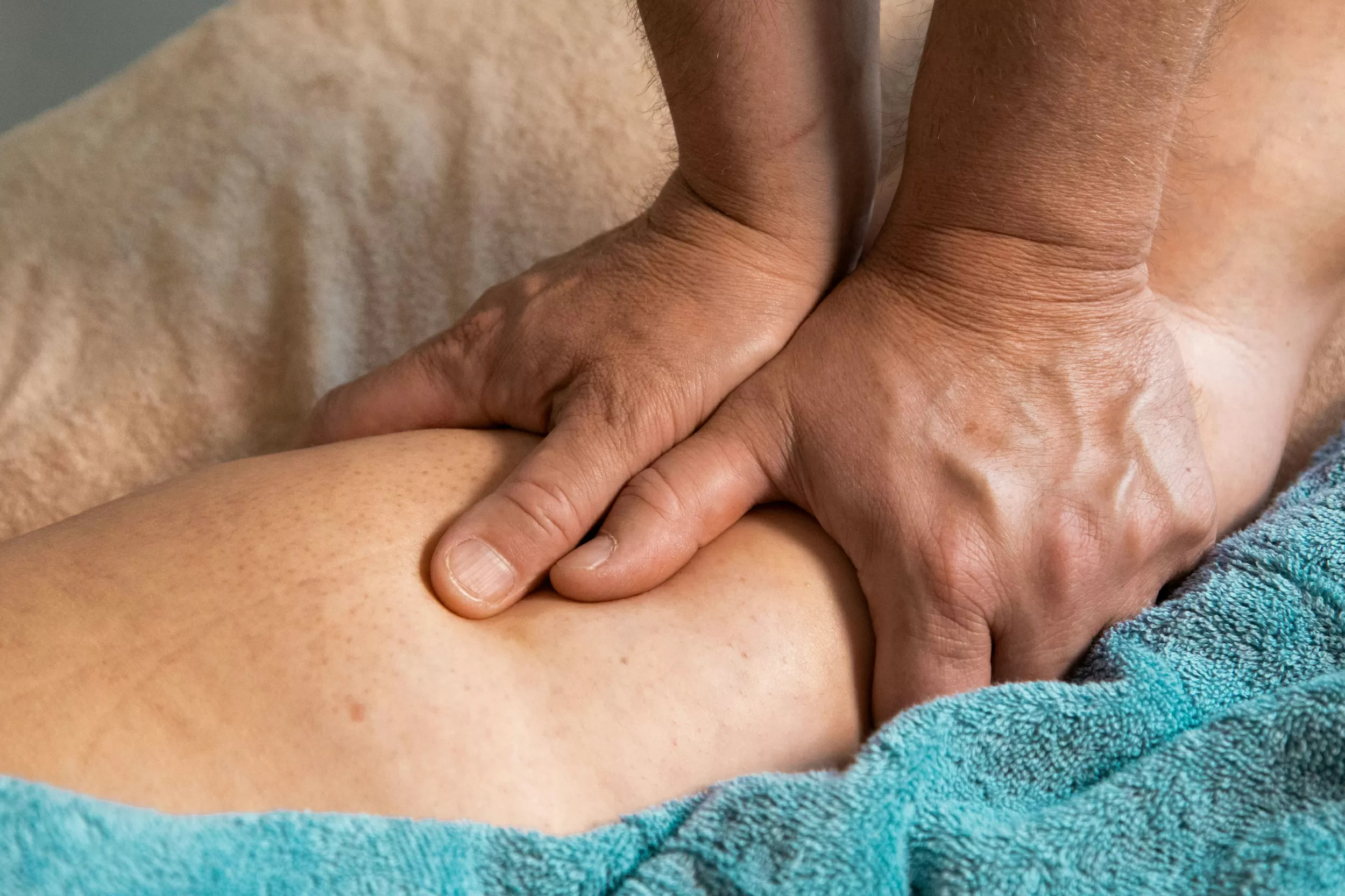
Applying heat or ice to the affected area can also provide relief. Heat can help relax the muscles, while ice can reduce inflammation and pain. You can also try massaging the cramped muscle to help increase blood flow and promote healing.
For faster recovery and better sleep, it is essential to address the underlying causes of muscle cramping. Make sure to stay hydrated, stretch regularly, and incorporate strength training into your exercise routine. If you experience frequent and severe muscle cramps, it is best to consult a doctor to rule out any underlying medical conditions.
In conclusion, muscle cramping can be a painful and uncomfortable experience, but it is usually not a cause for concern. By staying hydrated, stretching regularly, and addressing any underlying causes, we can prevent and alleviate muscle cramps. Remember to listen to your body and take breaks when needed, and always consult a doctor if you experience severe or frequent muscle cramps. With these tips, you can say goodbye to muscle cramps and hello to a good night's sleep.