Iran Proposes Six-Day Strait of Hormuz Opening to Trump
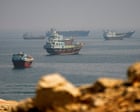
Iran's Strategic Proposal to Trump Administration
The Islamic Republic of Iran has presented the Trump administration with a comprehensive proposal centered on opening the Strait of Hormuz, one of the world's most critical maritime chokepoints. According to Iranian officials, the country is prepared to unlock this vital shipping corridor within six days, contingent upon specific conditions being met by the United States regarding sanctions relief and regional peace initiatives.
This latest diplomatic overture represents a significant escalation in negotiations between Tehran and Washington, with the Strait of Hormuz serving as a central bargaining point in broader discussions about Iran's nuclear program and regional stability. The proposal builds upon earlier frameworks and seeks to expedite a resolution to longstanding tensions between the two nations.
Key Conditions for the Strait of Hormuz Opening
Iran's terms for opening the Strait of Hormuz are multifaceted and intertwined with broader geopolitical concerns. The primary requirement involves comprehensive sanctions relief on Iranian oil exports, which have been severely restricted under American economic pressure. The removal of these sanctions would allow Iran to resume normal petroleum sales on international markets, generating essential revenue for its economy.
Additionally, Iran has demanded that the United States commit to ending military operations and support for conflicts across all regional fronts. This condition specifically includes ceasing involvement in the Lebanon situation, where American backing has bolstered various factions and complicated peace efforts. Iranian officials view this holistic approach to regional de-escalation as essential to building sustainable diplomatic progress.
Furthermore, the proposal includes a request for the release of Iran's frozen assets currently held or controlled by American institutions and allies. These financial resources represent critical capital for Iranian development and have become a central issue in negotiations. The unfreezing of these assets would provide immediate economic relief to the Iranian government.
Connection to Previous Memorandum of Understanding
The current Iranian proposal is explicitly designed to accelerate implementation of the memorandum of understanding previously signed between the US and Iran in June. Rather than departing from this agreement, Iran's new initiative seeks to expedite its most critical provisions, particularly those related to nuclear program discussions.
By proposing rapid opening of the Strait of Hormuz and swift commencement of nuclear negotiations, Iran aims to compress a timeline that had been originally extended over several months. This acceleration strategy reflects Tehran's belief that swift, decisive action could break through diplomatic stagnation and create momentum for comprehensive resolution of outstanding disputes.
The June memorandum had established a framework for addressing Iran's nuclear activities through structured dialogue, but the pace of implementation had been slower than Iran desired. The new proposal attempts to reinvigorate these discussions by demonstrating good faith commitments on multiple fronts simultaneously.
Nuclear Program Negotiations Timeline
According to Iran's proposal, nuclear program talks would commence the day after the Strait of Hormuz opening, creating an extraordinarily compressed diplomatic schedule. This timeline reflects Iran's assessment that the conditions outlined—sanctions relief, regional peace initiatives, and asset unfreezing—represent sufficient foundation for meaningful nuclear negotiations to begin immediately.
The sequencing of these events demonstrates Iran's strategic thinking: opening a critical global shipping route serves as a tangible demonstration of Iranian willingness to fulfill major commitments, while the subsequent nuclear discussions would address the technical and strategic aspects of its nuclear program on an accelerated track.
Economic and Geopolitical Implications
The Strait of Hormuz represents one of the world's most strategically vital maritime passages, through which approximately one-third of globally traded petroleum passes annually. Any disruption to shipping through this waterway affects global energy prices and economic stability worldwide. Iran's implicit power to restrict traffic through the Strait of Hormuz gives it significant leverage in international negotiations.
The proposal to open the Strait of Hormuz within six days would reassure global markets about energy supply security and demonstrate de-escalation in the Persian Gulf region. However, the conditions attached to this opening—particularly regarding sanctions relief—represent major concessions that would require substantial policy shifts from the Trump administration.
Awaiting Washington's Response
Iran has indicated it is awaiting a formal response from the Trump administration regarding this comprehensive proposal. The timing and content of any American response will signal whether serious diplomatic progress remains possible or whether tensions continue to escalate.
The proposal arrives at a critical juncture in US-Iran relations, with numerous regional conflicts ongoing and economic sanctions creating severe hardship for ordinary Iranians. How the Trump administration chooses to engage with Iran's initiative will likely shape developments throughout the Middle East for years to come and determine whether the June memorandum of understanding serves as a foundation for lasting peace or becomes superseded by continued confrontation.