Iran May Be Proving Trump Right—and That’s the Problem
Perspective: The "Madman Theory" at Work in the Iran War as President Trump's Final Deadline Looms
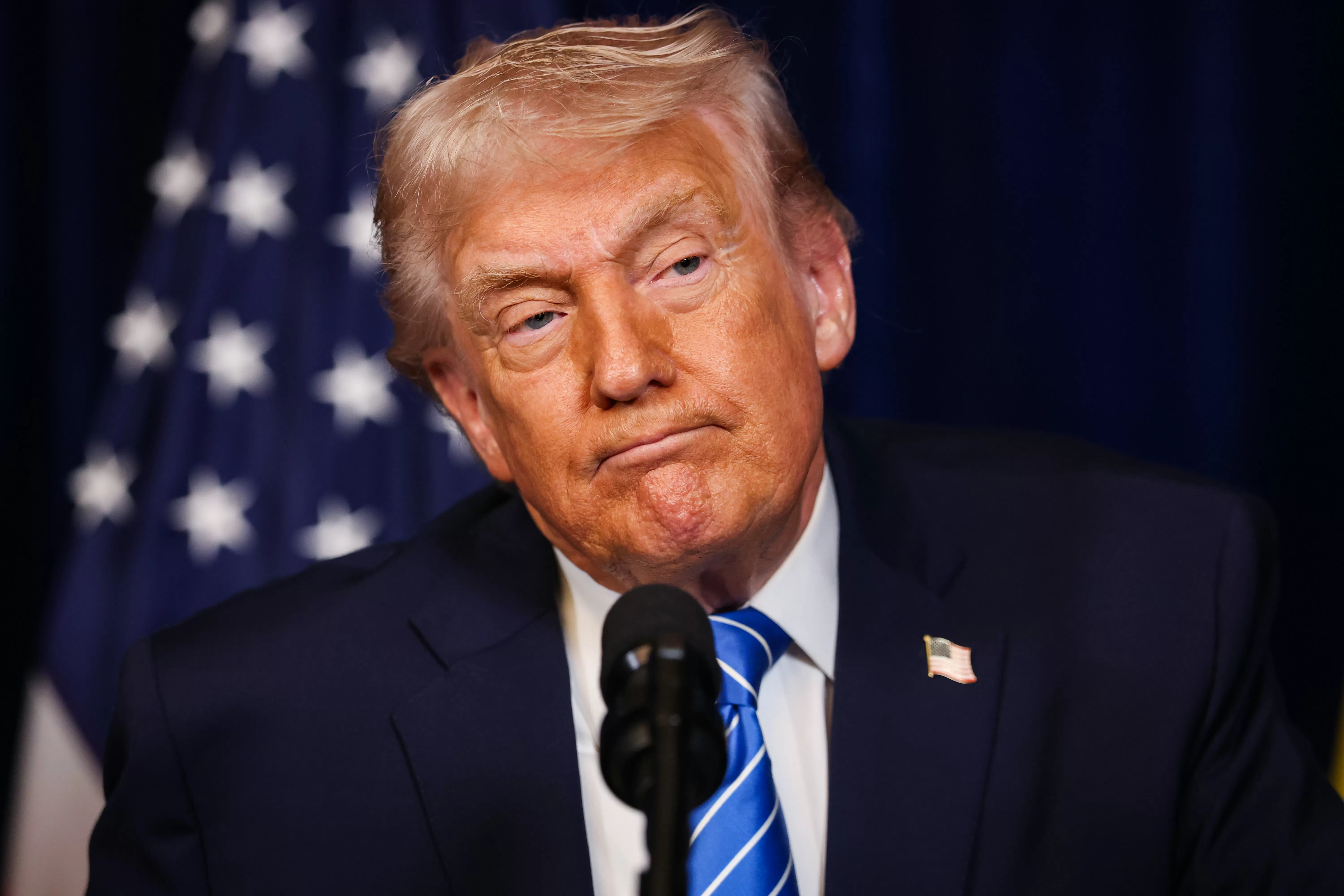
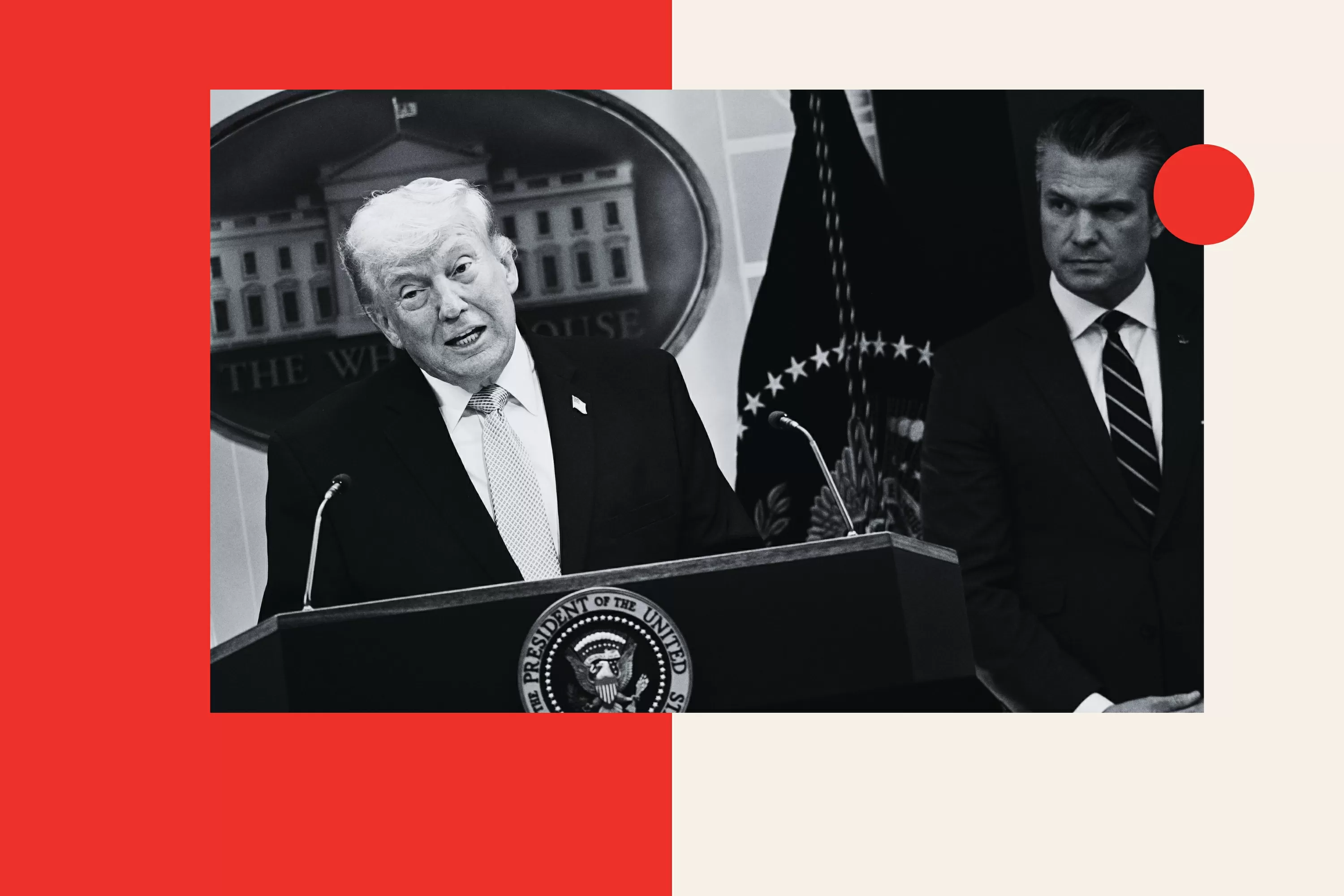
As tensions continue to rise between the United States and Iran, one cannot help but wonder if the "madman theory" is at play in President Trump's approach to the situation. The idea, popularized by former President Richard Nixon, suggests that a leader can gain an advantage in negotiations by projecting an unpredictable and irrational persona. And with the looming deadline for the US-Iran nuclear deal fast approaching, it seems that Trump is using this strategy to its fullest potential.
On May 8, 2018, President Trump made the controversial decision to withdraw the US from the Joint Comprehensive Plan of Action (JCPOA), commonly known as the Iran nuclear deal. This landmark agreement, signed in 2015 by the US, Iran, and five other world powers, aimed to curb Iran's nuclear program in exchange for the lifting of economic sanctions. However, with Trump calling it "the worst deal ever," he announced that the US would reinstate harsh economic sanctions on Iran and give other countries a deadline of November 4, 2018, to stop buying Iranian oil or face punishment.
Since then, tensions between the two countries have escalated, with Iran threatening to block the strategic Strait of Hormuz, through which about 20% of the world's oil supply passes. In response, Trump has sent additional troops to the region and warned Iran of "obliteration" if it attacks US interests. This exchange of threats and aggressive actions has led many to believe that Trump is using the "madman theory" to his advantage.
The "madman theory" is not a new concept in international relations. In fact, it has been used by leaders throughout history, including Nixon during the Vietnam War and Soviet leader Joseph Stalin during the Cold War. The idea is to project an image of irrationality and unpredictability to gain an advantage in negotiations. By making the other side fear for their safety and well-being, the "madman" hopes to coerce them into making concessions.
And this is precisely what President Trump seems to be doing in his dealings with Iran. By pulling out of the nuclear deal and reinstating sanctions, he has created a sense of uncertainty and chaos in the region. This has put pressure on Iran and its leaders, who now have to weigh the consequences of defying the US and potentially facing severe economic repercussions. The threat of military action from the US has only added to this pressure, making Iran second-guess its actions and decisions.
Moreover, Trump's unpredictable and sometimes contradictory statements on the issue have also added to the "madman" image he is trying to project. One day, he tweets that he is willing to meet with Iranian leaders with "no preconditions," and the next, he warns them of obliteration. This constant back-and-forth keeps Iran on its toes, never knowing what to expect from the US.
Critics of the "madman theory" argue that it is a dangerous and reckless approach to international relations. They fear that it could lead to miscalculations and misunderstandings, resulting in a potential conflict. However, supporters of this strategy argue that it can be an effective tool in negotiations, as it gives the "madman" an advantage by keeping the other side off balance.
But regardless of one's stance on the "madman theory," it is evident that it is at work in the current US-Iran situation. As President Trump's deadline for other countries to stop buying Iranian oil draws near, tensions continue to escalate, and the possibility of a military confrontation looms. The "madman" persona that Trump has projected has certainly put Iran in a difficult position, and it remains to be seen how they will respond.
In the meantime, the international community is watching and hoping for a peaceful resolution to this crisis. Many believe that the only way forward is through negotiations and diplomacy. And while the "madman theory" may have its advantages, it is ultimately up to the leaders of both the US and Iran to find a way to de-escalate the situation and prevent a potential disaster.
In conclusion, as President Trump's final deadline for the Iran nuclear deal approaches, it is clear that the "madman theory" is hard at work in his approach to the situation. Whether this strategy will lead to a successful outcome or cause more harm remains to be seen. But one thing is for