Infantino Faces Pressure as Opponents Demand Fifa Leadership Change
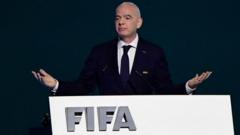
Growing Opposition to Infantino's Fifa Leadership
The Fifa president Gianni Infantino is facing unprecedented pressure from internal adversaries who are signaling their intention to withdraw cooperation from the organization's operations. According to prominent Uefa officials speaking confidentially, these critics have made clear that continued resistance to their demands will result in systematic disengagement from Fifa's initiatives and decision-making processes.
This escalating conflict represents one of the most significant challenges to Infantino's authority since his election to lead world football's governing body. The opposition, driven by influential European football stakeholders, appears determined to force a change in Fifa's executive direction through coordinated action.
The Nature of the Non-Cooperation Threat
The threatened non-cooperation strategy signals a deliberate shift toward confrontation. Rather than pursuing traditional channels of reform, the opposition groups are considering more aggressive tactics that could undermine Infantino's ability to implement decisions and maintain operational continuity across various Fifa programs.
Senior Uefa representatives have indicated that this approach represents their ultimate leverage in what has become an increasingly tense standoff. The threat suggests that member associations and continental confederations might withdraw from key committees, refuse participation in working groups, or obstruct consensus-building efforts essential to Fifa's functioning.
European Football's Role in the Dispute
Uefa's central position in this conflict underscores the deep-rooted frustrations within European football circles regarding Infantino's tenure. European clubs and national associations have long harbored concerns about the direction of world football governance, particularly concerning tournament formats, scheduling protocols, and financial distribution mechanisms.
The involvement of senior Uefa sources in publicly articulating these threats demonstrates that dissatisfaction has moved beyond behind-the-scenes negotiations into open confrontation. This escalation suggests that compromise solutions previously available may no longer satisfy the opposition's core objectives.
Implications for Fifa's Operational Structure
Should the threatened non-cooperation materialize, Fifa's ability to coordinate international football competitions and implement governance reforms could face serious complications. The organization relies heavily on cooperation from continental confederations and national associations to execute its strategic agenda.
A withdrawal of European participation would particularly impact events such as World Cup qualifying processes, administrative committees, and the expansion of tournament formats that have been central to Infantino's vision for modernizing global football. The financial implications could also be substantial, given Europe's significant contribution to Fifa's revenue streams.
The Political Context Behind the Conflict
The push for Infantino's removal reflects deeper philosophical disagreements about how international football should be governed and structured. European stakeholders have repeatedly questioned the pace of organizational changes, the decision-making transparency, and the balance of power within Fifa's institutional framework.
These tensions have accumulated over several years, with various controversies and policy decisions intensifying dissatisfaction among influential football leaders. The current threat of non-cooperation represents a culmination of mounting frustrations that diplomatic channels have failed to resolve.
Future Negotiations and Possible Outcomes
The threat of non-cooperation may serve as a negotiating tactic to pressure Infantino into making significant concessions regarding Fifa's operations and governance structures. It remains uncertain whether the opposition intends to execute this strategy or whether these warnings represent an opening gambit in renewed negotiations.
The coming weeks and months will likely determine whether dialogue can resume or whether the conflict escalates further. The stakes are considerable for international football, as sustained institutional conflict could disrupt competitions, complicate scheduling, and undermine the legitimacy of Fifa's authority among key stakeholders.


