Heatwave Vegetables: Why Wonky Produce is Safe to Eat
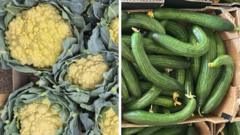
Understanding Heatwave Vegetables and Market Changes
Heatwave vegetables are becoming increasingly common in British supermarkets as climate patterns shift across the country. Rising temperatures during growing seasons directly influence the physical appearance of produce, creating uniquely shaped cauliflowers, potatoes, and other crops that differ significantly from conventionally uniform varieties. This phenomenon represents an important shift in how consumers should perceive their food purchases.
Why Extreme Heat Transforms Vegetable Appearance
When heatwaves strike agricultural regions, they create stress conditions that affect plant development in visible ways. Heatwave vegetables develop irregular shapes because intense heat causes uneven water distribution and nutrient absorption during critical growth phases. Cauliflower heads become sun-tanned and discolored, while potato tubers develop knobby, bumpy surfaces that make them appear less appealing to consumers accustomed to perfectly uniform supermarket standards.
The process begins underground and above ground simultaneously. Soil temperatures rise dramatically, affecting root development and nutrient uptake. Meanwhile, above-ground vegetables like cauliflower experience direct sun exposure that standard growing conditions rarely provide. These environmental stressors don't compromise nutritional value; they simply alter the cosmetic presentation that shoppers have come to expect.
The Safety of Wonky and Misshapen Produce
One critical misconception persists among British consumers: that irregular vegetables are somehow inferior or unsafe. Heatwave vegetables with unusual shapes, discoloration, and bumpy textures are completely safe for human consumption. Food safety standards remain unchanged regardless of vegetable appearance. The internal structure, nutritional density, and microbiological safety of wonky produce remain identical to uniform specimens.
Agricultural experts emphasize that appearance alone does not determine edibility or nutritional content. A sun-tanned cauliflower contains the same vitamins, minerals, and beneficial compounds as a perfectly white floret. Similarly, knobbly potatoes offer identical carbohydrate content and micronutrient profiles compared to smooth varieties. The only difference lies in visual presentation, which has no bearing on taste, texture, or health benefits.
Market Expectations and Consumer Adaptation
British shoppers will increasingly encounter heatwave vegetables in markets and supermarket aisles as climate patterns continue shifting. This transition requires psychological adjustment for consumers conditioned by decades of cosmetically perfect produce standards. Retailers and farmers recognize that educating the public about wonky produce acceptance is essential for reducing food waste and improving sustainability.
The prevalence of misshapen vegetables directly correlates with repeated heatwave events across the United Kingdom and Europe. Rather than discarding perfectly edible crops, growers are learning to market these products transparently. Many consumers actually prefer supporting farmers who grow vegetables naturally shaped by challenging conditions rather than through artificial selection or cosmetic treatments.
Nutritional Value of Climate-Stressed Vegetables
Research suggests that vegetables grown under heatwave conditions may contain elevated levels of certain protective compounds. When plants experience environmental stress, they sometimes increase production of natural antioxidants and other beneficial substances as survival mechanisms. Heatwave vegetables could potentially offer enhanced nutritional profiles compared to vegetables grown in optimal conditions.
The sun-tanning visible on cauliflower indicates increased anthocyanin and other pigment production. These compounds provide potent antioxidant benefits to consumers who consume them. Potatoes with knobby surfaces developed through heat stress growing seasons maintain all essential amino acids and minerals that make them nutritional staples in British cuisine.
Sustainable Food Systems and Wonky Produce
Embracing heatwave vegetables represents a significant step toward sustainable food systems. When consumers accept wonky produce, food waste decreases dramatically throughout supply chains. Farmers no longer discard nutritious crops simply because they don't meet outdated cosmetic standards. This shift supports both environmental sustainability and economic viability for agricultural operations.
The movement toward accepting irregular vegetables aligns with broader sustainability initiatives across Europe. British supermarkets increasingly feature dedicated sections for wonky produce, sometimes at reduced prices. This strategy simultaneously educates consumers, reduces waste, and makes nutritious food more economically accessible to price-conscious households.
Preparing Heatwave Vegetables in Your Kitchen
Wonky produce requires no special preparation techniques. Misshapen cauliflower florets cook identically to uniform specimens. Knobbly potatoes peel and prepare exactly like smooth varieties. The cooking methods, timing, and flavor profiles remain completely unchanged. Any recipe accommodating standard vegetables works perfectly with heatwave-grown alternatives.
British households can confidently incorporate irregular vegetables into traditional dishes. Sunday roasts benefit from knobbly potatoes just as traditional preparations demand. Curries, stir-fries, and soups utilize wonky cauliflower without any modification to techniques or ingredient ratios. Home cooks should feel completely assured that appearance differences create zero impact on culinary results.
Future Agricultural Outlook in Britain
Climate projections indicate that heatwave vegetables will become standard rather than exceptional in British agriculture. Farmers are adapting growing strategies to accommodate increasing temperatures while maintaining crop yields. This adaptation includes selecting heat-tolerant plant varieties, modifying irrigation schedules, and accepting that cosmetic imperfection represents the new agricultural reality.
The acceptance of heatwave vegetables signals a maturation in consumer consciousness regarding climate adaptation and sustainable food production. Rather than resisting natural consequences of changing environmental conditions, British shoppers can embrace wonky produce as evidence of authentic, honestly-grown food. This perspective shift benefits both environmental sustainability and human nutrition across the population.


