Greater Manchester's New Mayor Assumes Powers to Transform Lives
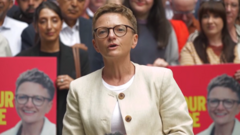
Greater Manchester Mayor Transition Marks New Era
Bev Craig has officially assumed the position of Greater Manchester mayor following her decisive victory in Thursday's by-election, signaling a significant transition in the region's leadership. As the successor to Andy Burnham, Craig's assumption of the Greater Manchester mayor role represents a pivotal moment for the metropolitan authority and its residents.
Electoral Victory and Democratic Mandate
The by-election held on Thursday delivered a clear mandate to Bev Craig, who secured the necessary support from voters across the greater Manchester area. This democratic process reflected the region's confidence in Craig's vision for the future, with her campaign emphasizing the transformative potential of the mayoral office and its expanded responsibilities.
Expanded Powers and Regional Authority
The newly assumed position carries significant powers that extend across multiple policy areas affecting Greater Manchester's population. These mayoral powers encompass critical domains including economic development, public transport infrastructure, health initiatives, and social services. The scope of authority granted to the Greater Manchester mayor has been expanded to enable more localized decision-making and direct accountability to residents.
Infrastructure and Transportation Leadership
Among the most substantial responsibilities inherited by Craig is oversight of the region's transportation network. The Greater Manchester mayor's powers include direct influence over bus services, tram networks, and road infrastructure planning. This authority allows for integrated transportation strategies that can address congestion, improve connectivity between communities, and support sustainable mobility solutions.
Economic Development Initiatives
The role encompasses strategic authority over economic policy within the region. Craig's new responsibilities include directing investment toward business growth, supporting entrepreneurship, and facilitating job creation across diverse sectors. These powers enable the mayor to shape industrial policy and attract economic opportunities that benefit the entire Greater Manchester area.
Continuity and Change
While Bev Craig inherits the institutional framework established during Andy Burnham's tenure as Greater Manchester mayor, she brings her own policy priorities and leadership approach. The transition reflects both continuity in governance structures and fresh momentum in regional strategy. Craig's stated commitment to leveraging the expanded mayoral powers suggests an aggressive agenda focused on improving residents' quality of life.
Community Impact and Public Services
The Greater Manchester mayor's authority directly influences social services, education partnerships, and public health initiatives. Craig's administration will oversee coordination between ten local authorities within the metropolitan area, ensuring cohesive policy implementation. This expansive role demonstrates how contemporary mayoral powers extend beyond ceremonial functions to encompass substantive governance responsibilities.
Regional Economic Strategy
As the new leader, Craig will direct the region's long-term economic planning and competitive positioning within national and international markets. The position requires balancing immediate community needs with strategic investments that create sustainable prosperity. The Greater Manchester mayor's office serves as a nexus for coordinating business partnerships, educational institutions, and public sector bodies toward unified objectives.
Looking Forward
Bev Craig's victory and assumption of office represent more than a personnel change; they embody democratic renewal within Greater Manchester governance. Her stated vision emphasizes utilizing the mayor's expanded powers to deliver measurable improvements in residents' lives, from enhanced public services to economic opportunity expansion. The coming years will demonstrate how effectively Craig implements her agenda and whether the concentrated mayoral authority achieves its intended transformative impact on the region's development trajectory.


