Fuel Theft Soars £200,000 Daily Across UK Petrol Stations
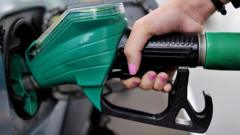
Fuel Theft Crisis Deepens Across UK Forecourts
Fuel theft in the UK has reached unprecedented levels, with approximately £200,000 worth of petrol and diesel being stolen daily from service stations. This dramatic surge in criminal activity has emerged as a critical concern for the petroleum industry, following escalating international tensions that commenced with recent geopolitical developments.
The alarming trend demonstrates a 20% increase in drive-off incidents across the past five months, according to comprehensive analysis conducted by industry monitoring organizations. These statistics highlight a significant vulnerability in forecourt security measures and payment protocols currently implemented at service stations nationwide.
Scale of the Problem: Key Findings
The data reveals that fuel theft incidents represent one of the fastest-growing categories of retail crime affecting the UK economy. Service station operators report experiencing unprecedented levels of fuel pilferage, with perpetrators employing various methods to bypass payment systems and escape with stolen merchandise.
Industry analysts point to the correlation between rising fuel prices and increased criminal activity. As the cost of petroleum products climbs, the financial incentive for theft escalates proportionally. This economic motivation has prompted a documented spike in organized fuel theft operations, particularly targeting high-traffic forecourts along major transportation corridors.
Impact on Business Operations
Petrol station owners and franchise operators face mounting financial pressures from this unprecedented wave of fuel crime. The cumulative losses threaten profit margins and necessitate substantial investments in enhanced security infrastructure. Many independent forecourt operators struggle to absorb these unexpected costs, particularly smaller establishments operating with limited resources.
The economic burden extends beyond direct theft losses. Service stations must implement advanced surveillance technology, employ additional security personnel, and modify payment procedures to combat these criminal activities. These supplementary expenses further compress already-thin operating margins in the competitive petroleum retail sector.
Contributing Factors Behind the Surge
Multiple elements contribute to the escalation in fuel theft incidents across UK petrol stations. The geopolitical situation referenced by industry observers has created psychological factors influencing consumer behavior and criminal activity patterns. Simultaneously, inflationary pressures on household budgets drive certain individuals toward illicit alternatives for acquiring essential commodities.
Organized criminal networks increasingly target fuel theft operations due to the commodity's high value and relatively straightforward resale opportunities through illicit distribution channels. These organized groups employ sophisticated techniques and often operate across multiple locations, representing a far more significant threat than opportunistic individual offenders.
Security Challenges and Response Measures
Forecourt operators implement increasingly sophisticated countermeasures to address the crisis. Modern security protocols include real-time surveillance systems, automated payment verification before pump activation, and coordinated reporting mechanisms with law enforcement agencies. However, these technological solutions require substantial capital investment that many independent operators struggle to finance.
The Petrol Retailers Association and similar industry bodies have escalated communications with governmental authorities, emphasizing the urgent requirement for coordinated policy responses. These organizations advocate for enhanced criminal justice responses, improved information-sharing protocols between operators, and potentially regulatory adjustments to strengthen forecourt security standards.
Broader Economic Implications
The widespread fuel theft in the UK extends its impact beyond individual service stations. Supply chain disruptions, increased operational costs, and enhanced security expenses ultimately translate into higher prices for legitimate consumers. This situation exemplifies how retail crime disproportionately affects everyday people through elevated commodity costs.
Insurance companies adjust premium structures in response to elevated risk profiles at fuel retail locations, further increasing operational expenses for forecourt businesses. Some operators report difficulty obtaining adequate coverage due to loss histories, creating additional financial strain on already-struggling independent proprietors.
Looking Forward: Industry and Government Action
Industry stakeholders emphasize the necessity for comprehensive policy interventions addressing both symptom and root causes of escalating petrol station losses. Collaborative efforts between law enforcement, industry representatives, and governmental bodies focus on implementing coordinated crime-reduction strategies while addressing underlying economic pressures affecting consumer behavior.
The situation demands urgent attention from policymakers and law enforcement agencies to prevent further deterioration of the security situation at UK fuel retailers. Without decisive intervention, forecourt operators warn that the crisis will continue expanding, with implications extending throughout the transportation, logistics, and retail sectors dependent upon reliable fuel access.


