From the Archive: The Power of Fashion in Film
From the early days of silent films to the modern era of superhero blockbusters, the wardrobe on the big screen has always been a powerful tool in storytelling. It has the ability to transport us to different eras, evoke emotions, and even shape the characters we see on screen. In fact, the costumes worn by our favorite actors and actresses can often be just as iconic and memorable as the stories themselves.
The silent film era, which spanned from the late 1890s to the late 1920s, was a time when dialogue was not yet a part of cinema. As a result, the costumes worn by the actors had to convey their characters' personalities and emotions without the use of words. This led to elaborate and exaggerated costumes that were often used to differentiate between good and evil characters. For example, the villain would be dressed in dark, dramatic clothing while the hero would be adorned in lighter, more simplistic attire. These costumes not only helped the audience understand the characters, but they also added to the overall visual appeal of the film.
As cinema evolved and sound was introduced, the role of wardrobe in films became even more significant. With the ability to use dialogue, costumes were no longer the sole means of conveying a character's personality. Instead, they became a way to enhance and complement the dialogue and actions of the characters. This was particularly evident in the Golden Age of Hollywood, where glamorous and extravagant costumes were used to portray the opulence and extravagance of the era. Films like "Gone with the Wind" and "Casablanca" are still remembered for their stunning costumes that added to the grandeur of the stories.
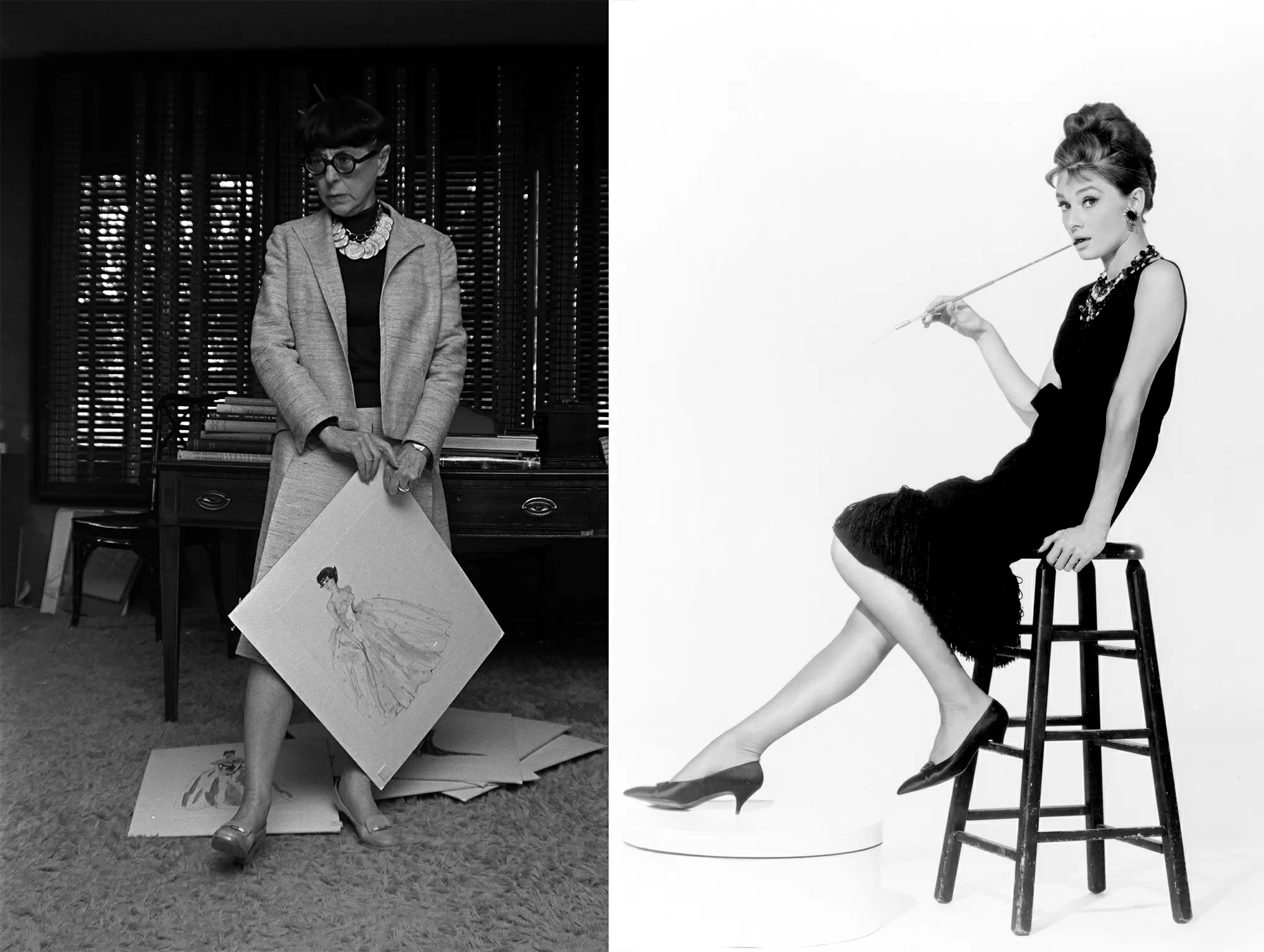
In the 1950s and 1960s, the rise of Technicolor and the introduction of television brought about a new era of fashion in films. With the use of vibrant colors, filmmakers were able to create visually stunning and memorable costumes that captured the attention of audiences. This was also a time when fashion and film began to influence each other, with designers like Edith Head and Hubert de Givenchy creating iconic looks for stars like Audrey Hepburn and Grace Kelly. These costumes not only added to the glamour of the films, but they also became fashion trends that were emulated by people all over the world.
The 1970s and 1980s saw a shift in the use of wardrobe in films. With the rise of independent cinema and the emergence of new genres like horror and sci-fi, costumes became more experimental and unconventional. Films like "Star Wars" and "Blade Runner" introduced audiences to futuristic and otherworldly costumes that were unlike anything seen before. These costumes not only added to the visual appeal of the films, but they also helped to create a sense of authenticity in these fantastical worlds.
In recent years, the superhero genre has taken over the big screen, and with it, a new era of costume design has emerged. Superhero suits have become just as important as the characters themselves, with each one being carefully crafted to reflect the unique abilities and personalities of the heroes. From the sleek and modern suit of Iron Man to the iconic red and blue of Superman, these costumes have become symbols of strength and power, adding to the overall impact of these larger-than-life characters.
But it's not just the superhero suits that have become iconic in modern cinema. Period dramas like "The Great Gatsby" and "Mad Men" have also brought back the glamour and elegance of past eras through their stunning costumes. These films and TV shows have not only entertained us, but they have also inspired fashion trends and influenced the way we dress.
In conclusion, the wardrobe on the big screen has come a long way from its humble beginnings in the silent film era. It has evolved and adapted to the changing times, becoming an integral part of storytelling in cinema. From silent film era glamour to superhero suits, costumes have the power to transport us to different worlds, evoke emotions, and shape the characters we see on screen. So the next time you watch a film, pay attention to the costumes and the impact they have on the story. You might just find yourself being transported to a whole new world.