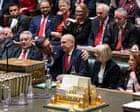
Farage Avoids Commons Budget Session Over Seating Row Concerns
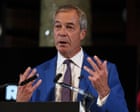
Farage's Decision to Skip Budget Session
Nigel Farage, leader of Reform UK, notably absented himself from the Commons chamber during the chancellor's inaugural budget presentation. His absence from this significant parliamentary event stemmed from concerns regarding potential physical confrontation with another Member of Parliament over disputed seating arrangements. Rather than risk an altercation on the House floor, Farage opted to remain away, subsequently addressing media representatives through an alternative press conference venue where he articulated his party's formal responses to the government's fiscal announcements.
The decision to bypass the Nigel Farage budget appearance marked an unusual move for a prominent opposition figure during a major parliamentary occasion. His absence underscored ongoing tensions within Westminster regarding parliamentary procedure and member accommodations, issues that have occasionally complicated proceedings in recent legislative sessions.
Criticism of Ukraine Funding Commitment
During his post-budget press briefing, Farage expressed substantial displeasure concerning the allocation of £10 billion designated for Ukrainian support and reconstruction efforts. The Reform UK leader characterized the government's commitment to this expenditure as shocking, suggesting that domestic priorities should take precedence over international financial obligations during a period of economic uncertainty affecting British households.
Farage's critique of the Ukraine funding represented a continued stance held by Reform UK regarding the extent of Britain's financial engagement with overseas conflicts and allied nation assistance programs. The party has consistently advocated for redirecting substantial governmental resources toward addressing internal economic challenges and strengthening domestic infrastructure investments.
Renewed Push for Cryptocurrency Tax Reductions
Beyond his concerns about international spending, Farage seized the opportunity to reiterate Reform UK's substantive policy platform regarding cryptocurrency and digital asset taxation. The party leadership doubled down on their previously announced commitments to substantially reduce or eliminate tax burdens on cryptocurrency investors and transactions.
This continued emphasis on crypto-friendly fiscal policies reflects Reform UK's positioning as an alternative political voice championing technological innovation and financial liberalization. Farage and his party argue that competitive tax environments surrounding digital assets would enhance Britain's standing as a global financial hub and attract investment within the blockchain and cryptocurrency sectors.
Parliamentary Seating Dispute Background
The underlying seating arrangement controversy that prompted Farage's absence appears rooted in longstanding procedural disputes within the House of Commons. While specific details regarding the particular MP involved in the disagreement remain unclear, the incident illustrates occasional friction arising from Westminster's physical layout constraints and allocated seating protocols.
Parliamentary seating typically follows established conventions, with government members occupying positions to the Speaker's right and opposition parties arranged according to their numerical strength and parliamentary standing. However, disputes occasionally emerge when members contest traditional arrangements or demand alternative allocations reflecting changed circumstances or party composition.
Reform UK's Parliamentary Strategy
Farage's handling of the budget session absence reflects broader Reform UK strategic considerations regarding parliamentary engagement and media messaging. Rather than risk negative optics from a physical confrontation, the party opted for controlled media communication where leadership could frame budget response without parliamentary interruption or procedural constraints.
This approach demonstrates how modern political parties increasingly leverage alternative communication channels to bypass traditional parliamentary forums. Press conferences, social media platforms, and direct media engagement provide opposition voices with mechanisms to critique government policy outside Commons proceedings, sometimes more effectively than traditional parliamentary question periods.
Broader Economic Policy Perspectives
Beyond the specific budget criticisms, Farage's statements underscored Reform UK's distinct economic ideology emphasizing tax reduction, cryptocurrency liberalization, and skepticism toward extensive international financial commitments. The party positions itself as championing business-friendly policies and technological innovation while questioning governmental spending priorities.
The tensions highlighted by Farage regarding budget allocations reflect ongoing British political debates about balancing domestic social investment, defense commitments, international development assistance, and support for allied nations navigating security challenges. These competing priorities remain contentious within Westminster, with different political groupings advocating substantially divergent spending approaches and fiscal philosophies.