England Faces Widespread Drought Crisis Affecting Two-Thirds of Nation
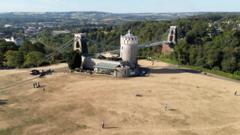
England Drought Crisis Reaches Critical Levels
The United Kingdom is experiencing unprecedented water stress as more than two-thirds of England now enters official drought status. This significant escalation marks a turning point in the nation's environmental challenges, with multiple regions simultaneously declared under drought conditions. The England drought crisis reflects broader climate patterns and reduced rainfall that have persisted throughout recent months, creating critical shortages across vast areas of the country.
Regional Areas Moving Into Drought Status
Several key regions have now officially transitioned into drought status, intensifying concerns across England. The East Midlands region, encompassing major population centers and agricultural zones, has been classified under drought conditions. Similarly, Lincolnshire and Northamptonshire, areas critical to the nation's food production and water supply infrastructure, now face severe water restrictions and management protocols.
The southeastern regions have also been significantly impacted. Both Kent and East Sussex, densely populated areas with substantial water demand, have entered official drought status. Additionally, the Solent and South Downs regions, spanning parts of Hampshire and Sussex, now fall under drought classification, further expanding the geographic scope of this environmental emergency.
Understanding the Drought Status Classification
When regions are declared in drought status, it triggers a series of escalated water management measures and conservation protocols. This classification indicates that water resources have fallen to critically low levels, requiring immediate intervention from water authorities and local governments. The drought status designation affects agricultural practices, industrial water usage, and residential consumption patterns across affected areas.
Impact on Agriculture and Food Production
The England drought crisis carries significant implications for agricultural communities, particularly in affected regions like the East Midlands, Lincolnshire, and Northamptonshire. Farmers face mounting challenges in maintaining crop irrigation and livestock watering systems during peak growing seasons. Water allocation restrictions may reduce yields and increase production costs, potentially affecting food prices and domestic supply chains.
Environmental and Infrastructure Consequences
Extended drought conditions create cascading effects across multiple sectors. Water treatment facilities must intensify operations to manage reduced water availability, while ecological systems face strain from depleted river levels and groundwater reserves. Infrastructure maintenance becomes increasingly challenging as drought-related ground subsidence and stress affect roads, buildings, and utility systems throughout affected regions.
Response and Management Strategies
Water authorities and government agencies have implemented comprehensive strategies to address the England drought crisis. These measures include public awareness campaigns promoting water conservation, restrictions on non-essential water usage such as garden watering and car washing, and coordination between neighboring water companies to redistribute resources where possible. Emergency protocols may activate alternative water sources and accelerated treatment processes to maintain essential supplies.
Looking Forward: Climate Considerations
The extent of the current drought affecting more than two-thirds of England raises important questions about long-term water security and climate adaptation. Meteorological forecasts and hydrological assessments guide ongoing planning efforts, while conservation investments and infrastructure upgrades represent long-term responses to recurring water stress patterns. Communities throughout England are being encouraged to adopt sustainable water practices that may become essential strategies for future resilience.


