Emergency EU Summit Addresses Ceuta Migrant Crisis
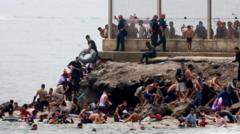
EU Emergency Session on Ceuta Migrant Crossings
The European Union has initiated an emergency session specifically focused on addressing the pressing issue of migrant crossings at Ceuta, the strategically important Spanish enclave located on the North African coast. This extraordinary gathering underscores the growing concern among member states regarding the management of migration flows and border security in this volatile region.
Rising Tensions Among European Partners
Diplomatic friction has intensified between Spain and several other European Union nations concerning the substantial number of migrants entering Ceuta. The tensions reflect broader disagreements over migration policy, burden-sharing mechanisms, and the responsibility each member state bears in managing arrivals at European borders. Spain, positioned as the primary entry point for these crossings, has expressed frustration with the perceived lack of coordinated EU-wide support in addressing this humanitarian and security challenge.
Spain's Perspective on Border Management
Spanish officials have emphasized that Ceuta faces unprecedented pressure from migrant populations attempting to reach Europe. The enclave, which serves as a critical gateway between Africa and Europe, has experienced waves of arrivals that have strained local resources and administrative capacity. Madrid has called for greater financial assistance, enhanced border security infrastructure, and more equitable distribution of migrants across EU member states to alleviate the concentration of arrivals in Ceuta.
EU Member States' Positions
Other European nations have presented varied perspectives on how to address the migrant crossings situation. Some states advocate for stricter border controls and enforcement mechanisms, while others emphasize the humanitarian obligations toward asylum seekers and vulnerable populations. These divergent viewpoints have created complex negotiations within the emergency forum, as member states attempt to reach consensus on comprehensive migration management strategies.
Strategic Importance of Ceuta
Ceuta holds significant geopolitical importance as one of Spain's two North African territories and serves as a critical juncture for migration routes. The enclave's unique position creates particular challenges for European border control, as it represents one of the most direct land routes from Africa into the EU. The handling of migrant crossings at Ceuta thus affects not only Spain but also the broader security architecture of the European Union's external borders.
Emergency EU Response Measures
The emergency meeting convened to discuss substantive measures for managing the ongoing situation. Key topics include enhanced cooperation protocols between Spain and other member states, increased funding for border infrastructure, and revised asylum processing procedures. European officials recognize that the migrant crossings at Ceuta require coordinated action that balances security concerns with international humanitarian commitments.
Looking Forward
As the EU continues deliberations on this matter, the emergency session represents a critical moment for establishing precedents in European migration policy. The outcomes of these discussions will likely shape how the bloc addresses similar challenges at other borders. Stakeholders anticipate that concrete measures will emerge from the emergency meeting to provide Spain with necessary support while establishing fair distribution mechanisms for asylum seekers entering through Ceuta and other European entry points.


