Dozens of Nations Aided China in Tariff Evasion Scheme
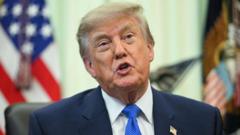
US Report Reveals Widespread China Tariff Evasion Network
A comprehensive report from the United States government has exposed how China has systematically engaged in tariff evasion by redirecting goods through nations with significantly lower tariff structures. According to officials, the China tariff evasion scheme involved dozens of countries serving as intermediaries in a coordinated effort to circumvent Trump-era trade restrictions. The investigation details how Chinese exporters exploited loopholes in international trade agreements to maintain market access while avoiding substantial financial penalties.
Strategic Routing Through Lower-Tariff Nations
The core mechanism of this China tariff evasion operation involved a sophisticated network of transshipment hubs across multiple continents. Chinese manufacturers would export goods to intermediate countries where tariff rates were substantially lower than those imposed by the United States. From these transit points, products would be repackaged, relabeled, or minimally processed before being shipped to American markets. This practice, known as transshipment, allowed Chinese exporters to circumvent the tariffs that would normally apply to direct shipments.
The transshipment scheme operated through a carefully orchestrated series of international trade routes. Key transit nations participated either knowingly or inadvertently in the process, providing customs documentation that obscured the true origin of merchandise. By the time goods arrived at US ports, official records showed foreign origin rather than Chinese manufacture, allowing importers to claim preferential tariff treatment.
Scope and Scale of the Investigation
US intelligence agencies identified more than 40 countries involved in facilitating China's efforts to dodge Trump-era tariffs. The investigation revealed that the network extended across Asia, Southeast Asia, Latin America, and Africa. Each region played a distinct role in the broader trade circumvention strategy. Some nations served primarily as repackaging centers, while others functioned as distribution hubs for subsequent global distribution.
The report emphasized that participation levels varied significantly. While some countries cooperated deliberately with Chinese exporters, others inadvertently became part of the network through insufficient customs enforcement or inadequate trade monitoring infrastructure. Regardless of intent, the cumulative effect substantially undermined the effectiveness of US tariff policies designed to protect domestic industries.
Methods Used in International Trade Violations
The investigation documented multiple sophisticated techniques employed in the trade circumvention operation. These international trade violations included invoice manipulation, false country-of-origin declarations, and strategic use of Free Trade Agreements. Chinese exporters would create shell companies in transit countries to establish apparent local ownership of merchandise. Documentation would be altered to show minimal value-added processing in intermediate nations, allowing products to qualify for preferential treatment.
Another prevalent method involved splitting large shipments into smaller consignments to fall below regulatory thresholds that would trigger enhanced scrutiny. Advanced logistics networks tracked each shipment independently, making comprehensive tracking and enforcement increasingly difficult for US customs authorities. Technology facilitated coordination between exporters, intermediary agents, and customs brokers across multiple jurisdictions.
Economic Impact on US Markets
The scale of this tariff evasion scheme had measurable economic consequences for American industries. By successfully avoiding tariff duties, Chinese exporters maintained price advantages over domestic manufacturers and legitimately imported competitors. Industries particularly affected included electronics, textiles, steel, and consumer goods. American manufacturers reported operating at competitive disadvantages despite tariff protections intended to level the playing field.
The report quantified estimated revenue losses to the federal government, noting that uncollected tariff duties represented billions in foregone income. Beyond fiscal impacts, the scheme undermined the intended policy objectives of domestic industry protection and market share recovery. Companies that had made investment decisions based on anticipated tariff-related improvements found themselves competing against illegally advantaged imports.
Government Response and Enforcement Actions
US officials indicated that the government would pursue enforcement actions against identified participants in the network. The revelation prompted discussions about strengthening customs enforcement mechanisms and improving international trade cooperation. Additional scrutiny would be directed toward nations identified as major transshipment hubs, with the expectation of increased customs inspections and documentation verification.
The report recommends enhanced coordination with international trading partners to identify and prevent future circumvention schemes. Proposals include sharing real-time trade data, establishing harmonized customs procedures, and implementing advanced supply chain transparency measures. These initiatives aim to make tariff evasion significantly more difficult and costly.
Looking Forward: Implications for Trade Policy
The investigation underscores the complexity of enforcing tariffs in an integrated global supply chain. Officials acknowledge that traditional enforcement mechanisms have limitations when confronted with sophisticated international networks. Future tariff strategies will likely emphasize supply chain transparency and real-time origin verification technologies.
The findings contribute to broader discussions about reforming international trade oversight and improving customs cooperation among nations. Policymakers recognize that effective tariff implementation requires not only domestic enforcement but also coordinated international efforts to identify and prevent circumvention. The scope of the network revealed demonstrates that protecting domestic industries requires continuous adaptation to evolving evasion tactics.


