Democratic Leaders Avoid Criticizing Trump’s Iran War. Now Voters Will Have a Say.
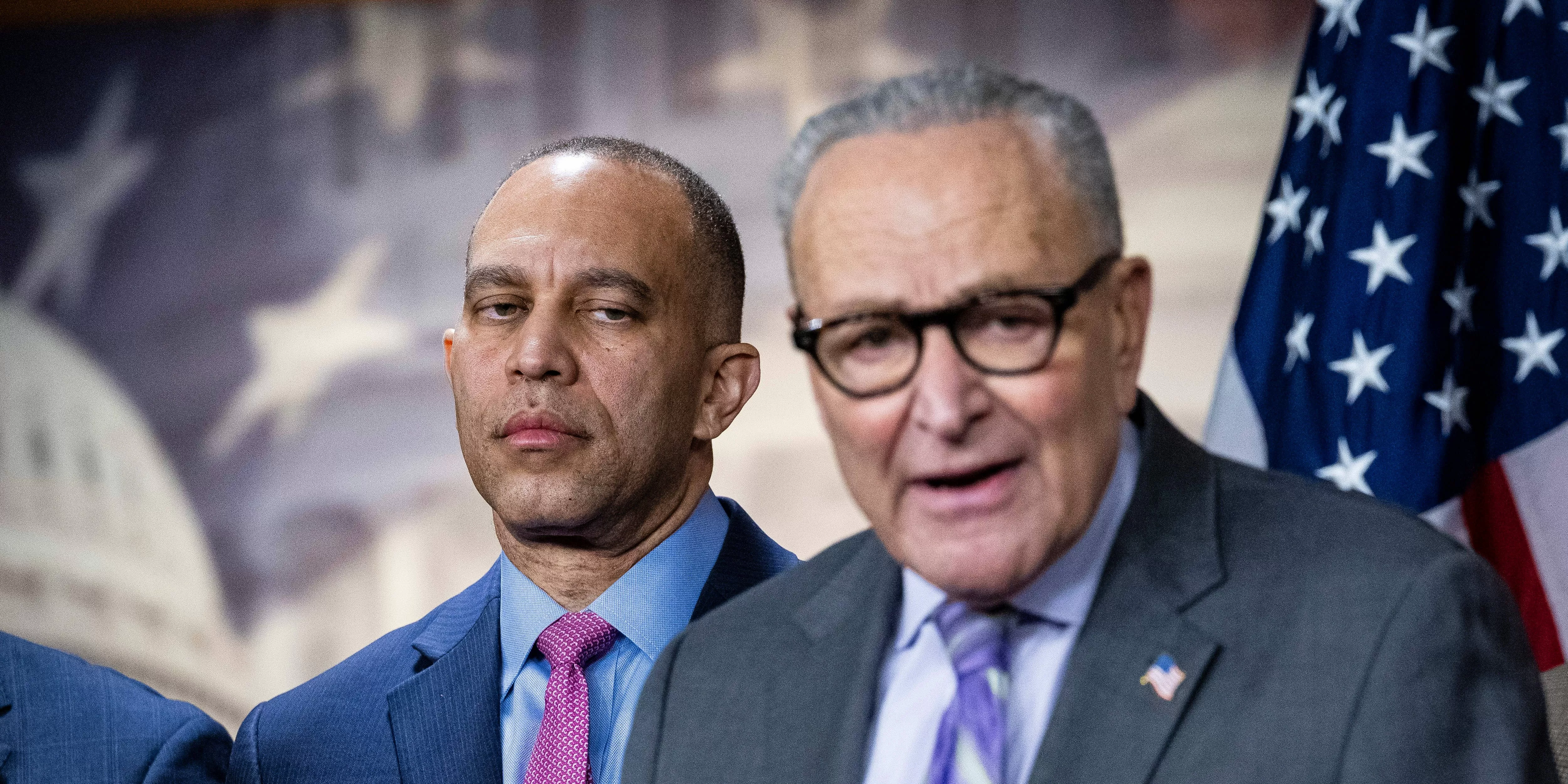
Top Democrats Close to AIPAC Stay Silent on Trump's Iran War, But Voters Demand a Say
As tensions escalate between the United States and Iran, the top Democrats close to the American Israel Public Affairs Committee (AIPAC) have been noticeably silent. While the party's leadership has criticized President Trump's process failures in handling the situation, the primary candidates are calling for a referendum on the war itself. This shift in stance reflects a growing demand from voters to have a say in the decision to engage in yet another war in the Middle East.
For years, AIPAC has held a significant influence over the Democratic Party's foreign policy, particularly when it comes to the Middle East. The organization has long advocated for a strong alliance between the US and Israel, often at the expense of other countries in the region. This has led to a one-sided approach in dealing with conflicts, with little regard for the consequences of US intervention. However, as the party's base becomes more diverse and progressive, there is a growing backlash against AIPAC's influence and its unconditional support for Israel.
In the wake of the recent US airstrike that killed Iranian General Qasem Soleimani, the top Democrats close to AIPAC have been hesitant to criticize Trump's actions. House Speaker Nancy Pelosi, who has a long history of supporting AIPAC, has only condemned the president's failure to consult Congress before the attack. Senate Minority Leader Chuck Schumer, another staunch AIPAC ally, has also refrained from criticizing Trump's decision to escalate tensions with Iran. This reluctance to speak out against the war has raised concerns among voters and further highlighted the disconnect between the party's leadership and its base.
On the other hand, the Democratic primary candidates have been quick to denounce Trump's actions and call for a referendum on the war itself. Senator Bernie Sanders, a vocal critic of AIPAC, has been the most vocal in his opposition to the US's military involvement in the Middle East. He has consistently advocated for a more balanced approach in dealing with conflicts in the region and has called for an end to US support for the Saudi-led war in Yemen. Senator Elizabeth Warren, another leading contender for the Democratic nomination, has also been vocal in her criticism of Trump's actions and has called for a withdrawal of US troops from the region.
This shift in stance from the primary candidates reflects a growing demand from voters to have a say in the decision to go to war. With the memories of the disastrous Iraq War still fresh in their minds, Americans are wary of being dragged into another costly and unnecessary conflict. The Trump administration's inconsistent justifications for the airstrike and the lack of a clear strategy have only added to the public's skepticism. As a result, voters are demanding that their elected representatives take a stand and hold the president accountable for his actions.
The Democratic Party's reluctance to criticize Trump's war with Iran is not only a reflection of AIPAC's influence but also a symptom of a larger problem – the lack of accountability in US foreign policy. The US has a long history of engaging in wars without proper authorization or justification, often with disastrous consequences. It is time for the American people to have a say in these decisions, and the primary candidates are leading the way by calling for a referendum on the war with Iran.
In the coming months, as the Democratic primary race heats up, the issue of US involvement in the Middle East will continue to be a key topic of discussion. The top Democrats close to AIPAC may continue to avoid criticizing Trump's actions, but the party's base and the primary candidates are determined to hold the president accountable. This shift in stance marks a significant turning point in US foreign policy and reflects the growing demand for a more responsible and transparent approach to dealing with conflicts in the Middle East.
In conclusion, the Democratic Party's leadership may be silent on Trump's Iran war, but the voters are making their voices heard. The primary candidates are calling for a referendum on the war, and it is time for the party's leadership to listen to the people they represent. As the 2020 election approaches, it is crucial for the Democratic Party to address the issue of US involvement in the Middle East and take a stand against endless wars. The American people deserve to have a say in the decisions that impact their lives and the lives of others around the world.