COPD Management Guide: Pursed Lip Breathing, Pulmonary Rehab & Lung Exercises
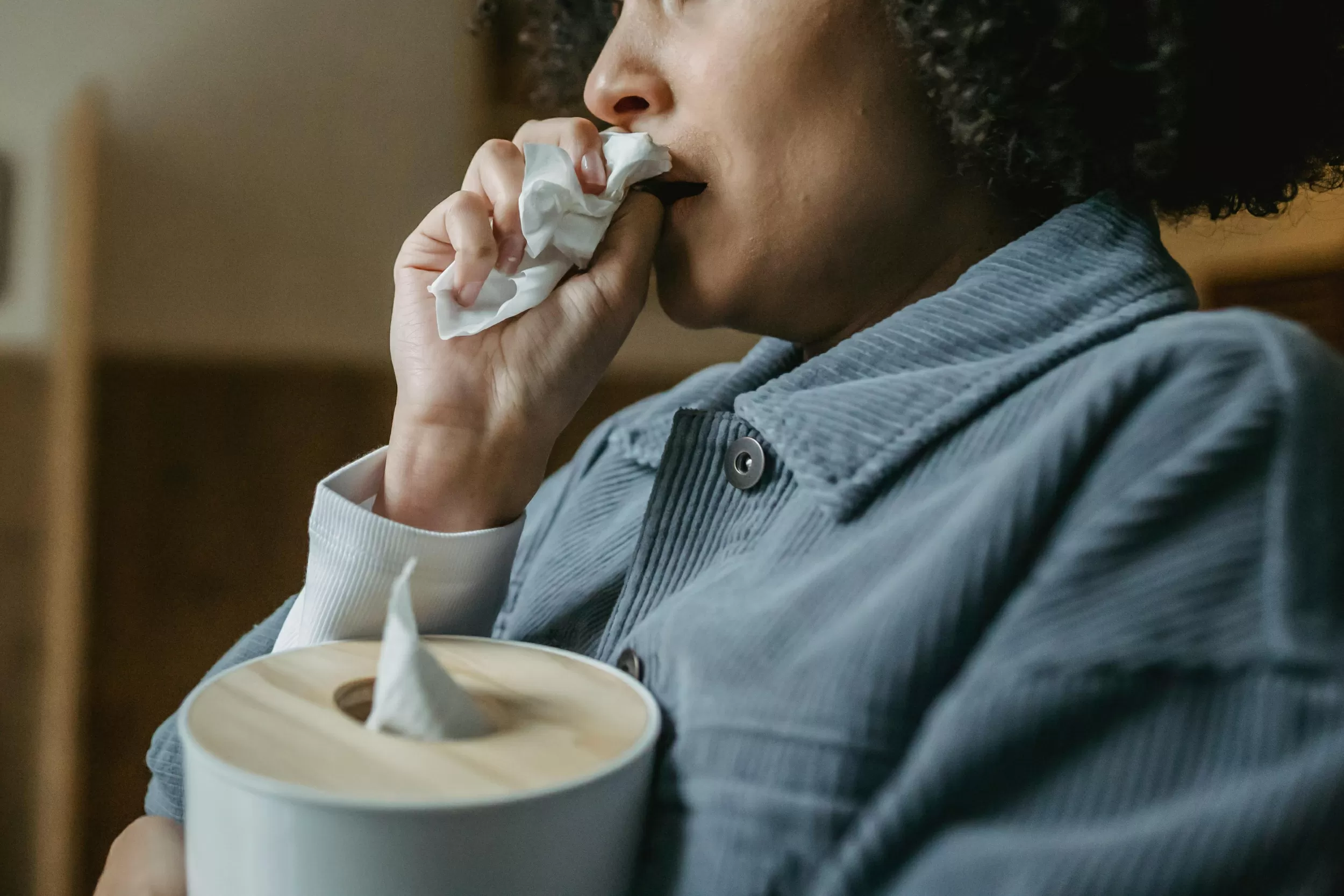
Chronic bronchitis and emphysema are two common respiratory conditions that fall under the umbrella term of chronic obstructive pulmonary disease (COPD). These conditions can significantly impact a person's daily life, making it difficult to breathe and carry out daily activities. However, with the right treatment and management, individuals with COPD can improve their lung function and overall quality of life.
In this article, we will discuss a comprehensive treatment guide for chronic bronchitis and emphysema, including lung capacity exercises, pulmonary rehabilitation, and COPD management. By following these strategies, individuals with COPD can experience better breathing and improved daily function.
Understanding Chronic Bronchitis and Emphysema
Chronic bronchitis is a condition where the airways in the lungs become inflamed and produce excess mucus, leading to a persistent cough. On the other hand, emphysema is a condition where the air sacs in the lungs are damaged, making it difficult for the body to get enough oxygen. Both conditions are characterized by difficulty in breathing, coughing, and wheezing.
The primary cause of chronic bronchitis and emphysema is smoking. However, long-term exposure to air pollution, chemical fumes, and dust can also contribute to the development of these conditions. People with a family history of COPD and those with a history of respiratory infections are also at a higher risk.
Treatment Guide for Chronic Bronchitis and Emphysema
1. Lung Capacity Exercises
Lung capacity exercises can help individuals with COPD improve their breathing and lung function. These exercises involve deep breathing techniques and controlled exhalation to strengthen the respiratory muscles and increase lung capacity.
One effective exercise is pursed-lip breathing, where you inhale through your nose for two seconds, then purse your lips and exhale slowly for four seconds. This exercise helps to keep the airways open and improve oxygen exchange in the lungs.
Another beneficial exercise is diaphragmatic breathing, also known as belly breathing. This technique involves taking deep breaths, expanding the belly, and then slowly exhaling. It helps to strengthen the diaphragm and improve lung function.
2. Pulmonary Rehabilitation
Pulmonary rehabilitation is a structured program that combines exercise, education, and support to help individuals with COPD manage their symptoms and improve their overall quality of life. It is usually recommended for people with moderate to severe COPD.
The program includes physical exercises to improve lung function, breathing techniques, and education on how to manage COPD symptoms. It also provides emotional support and helps individuals develop coping strategies to deal with the challenges of living with COPD.
3. Medications
Medications are an essential part of the treatment plan for chronic bronchitis and emphysema. They help to manage symptoms and prevent flare-ups. Bronchodilators, which relax the muscles around the airways, are commonly prescribed to help individuals with COPD breathe easier.
Inhaled corticosteroids are also used to reduce inflammation in the airways and prevent exacerbations. Antibiotics may be prescribed if there is a bacterial infection present. It is crucial to follow the prescribed medication regimen and consult a doctor before making any changes.
4. Oxygen Therapy
In severe cases of COPD, oxygen therapy may be recommended to help individuals get enough oxygen into their bodies. It involves using a portable oxygen tank or concentrator to deliver oxygen through a mask or nasal cannula.
Oxygen therapy can improve breathing, reduce fatigue, and improve overall quality of life. It is essential to use oxygen therapy as prescribed and avoid smoking or being around open flames while using it.
5. Lifestyle Changes
Making lifestyle changes can also help individuals with COPD manage their symptoms and improve their lung function. Quitting smoking is the most crucial step in managing COPD. It can slow down the progression of the disease and improve overall health.
Avoiding exposure to air pollutants, such as secondhand smoke and chemical fumes, is also essential. Eating a healthy diet and staying physically active can also help manage COPD symptoms and improve overall well-being.
In conclusion, chronic bronchitis and emphysema can significantly impact a person's daily life, but with the right treatment and management, individuals with COPD can improve their lung function and overall quality of life. Lung capacity exercises, pulmonary rehabilitation, medications, oxygen therapy, and lifestyle changes are all crucial components of a comprehensive treatment