Colombia's Internal Conflict Shapes Key Presidential Race
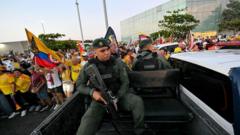
Colombia's Internal Conflict Takes Center Stage in Pivotal Election
Colombia's internal conflict has become the defining issue in the nation's presidential election, forcing voters to choose between fundamentally different approaches to addressing the country's security crisis. A left-wing senator who advocates for dialogue with armed gangs is competing against an outsider candidate who enjoys endorsement from former U.S. President Donald Trump, highlighting the stark ideological divide that characterizes this electoral moment.
The Left-Wing Candidate's Approach to Gang Violence
The progressive senator positioned on the left side of Colombia's political spectrum has built his campaign platform around opening dialogue channels with organized criminal organizations operating throughout the country. This controversial stance reflects a belief that negotiation and conflict resolution offer more sustainable solutions than continued military confrontation. His supporters argue that traditional enforcement strategies have failed to reduce violence significantly and that engaging armed groups in substantive talks could address root causes of criminal activity.
The senator's vision includes addressing socioeconomic factors that drive recruitment into criminal networks, including poverty, limited educational opportunities, and lack of legitimate employment prospects. He contends that breaking cycles of violence requires comprehensive approaches that combine negotiation with social investment and community development programs.
The Trump-Backed Outsider Candidate
His principal opponent represents a departure from traditional Colombian politics, positioning himself as an outsider willing to challenge established political structures. This candidate has secured explicit backing from Trump, signaling international support for a hardline approach to Colombia's security challenges. The endorsement underscores differing U.S. perspectives on how best to address Latin American security threats and criminal organizations.
The outsider candidate emphasizes stronger enforcement measures, increased military operations against criminal groups, and stricter penalties for drug trafficking and organized crime. His platform appeals to voters concerned about rising violence and those skeptical that negotiations with armed gangs will produce meaningful results.
Violence as the Election's Central Theme
The escalating brutality of Colombia's internal conflict has ensured that security remains the paramount issue for voters across the political spectrum. Rival gangs, leftist guerrillas, and criminal syndicates engaged in drug trafficking continue perpetrating widespread violence that affects civilian populations through kidnappings, extortion, and territorial conflicts. Urban centers and rural regions alike have experienced increased criminal activity, displacement, and humanitarian crises.
This violence has displaced hundreds of thousands of Colombians and created humanitarian emergencies in multiple regions. Communities report systematic extortion, recruitment of youth into criminal organizations, and violence targeting local leaders and social activists. The human cost of Colombia's internal conflict provides the emotional backdrop against which both candidates are presenting their solutions.
International Dimensions of the Election
Colombia's internal conflict transcends national boundaries, affecting regional stability and drawing international attention. The Trump endorsement of the outsider candidate reflects broader geopolitical considerations regarding U.S. involvement in Latin American security affairs. American policymakers view Colombia's gang violence and drug trafficking networks as transnational threats requiring strong responses.
The election outcome will influence U.S.-Colombia relations and international approaches to organized crime in the Western Hemisphere. Different handling of criminal organizations could affect drug trafficking routes, regional security cooperation, and international law enforcement coordination.
Voter Perspectives on Colombia's Future
Colombian voters face a consequential choice about their nation's direction. Some support the senator's negotiation approach, believing that inclusive dialogue offers realistic pathways to reducing violence and addressing criminal organization motivations. Others favor the outsider's enforcement-focused strategy, trusting that stronger security measures will protect communities and restore order.
The internal conflict has created widespread frustration with traditional political establishments, explaining part of the outsider candidate's appeal. Voters expressing dissatisfaction with incumbent governments and existing security approaches have rallied behind his outsider status and promises of transformative change.
Looking Forward: Colombia's Turning Point
The presidential election represents a turning point for Colombia's response to internal conflict and organized crime. The choice between negotiation and enforcement will shape policy priorities, security spending, and international partnerships for years to come. Whichever candidate prevails will inherit responsibility for addressing one of Latin America's most persistent security challenges while managing regional stability concerns and international expectations regarding gang violence and drug trafficking.


