Child Safety Measures Lacking in Tower Block Where Boy Fell
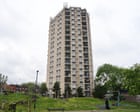
Child's Tragic Fall Highlights Tower Block Safety Gaps
An inquest investigation into the tragic death of five-year-old Aalim Ahmed has exposed significant gaps in child falls from window prevention measures at a residential tower block in Plaistow, east London. The young boy, who had autism, fell from a 15th-floor kitchen window at a housing complex where his family had previously requested to be relocated from due to safety concerns.
The inquest proceedings revealed that additional safeguards could have been implemented to prevent this devastating incident. Aalim's father, Makail Ahmed, discovered his son's body in the early morning hours of May 16, 2024, shortly before 6am, following the fatal fall from their temporary social housing accommodation.
Background of the Residential Housing Situation
The family's residence in the tower block was classified as temporary social housing provided by local authorities. Prior to the tragedy, Aalim's family had formally requested to be moved to a different property, expressing concerns about living conditions and safety in the high-rise flat. These concerns appear to have been particularly relevant given Aalim's autism diagnosis, which required specific environmental considerations and protective measures.
Living on the 15th floor presented inherent risks that the inquest suggested could have been mitigated through enhanced safety protocols. The location of the kitchen window, combined with the height of the apartment, created a dangerous situation that may have been preventable with proper safeguarding installations and building safety standards.
Examination of Safety Standards
During the inquest proceedings, expert testimonies and housing authority representatives addressed what additional measures could have been taken to make the flat safer for residents, particularly for vulnerable children. The examination of child falls from window incidents revealed that many tower blocks operate without comprehensive safety devices that are now considered standard in modern residential buildings.
Safety measures such as window restrictors, locks, and protective guards were discussed during the hearing as mechanisms that could have prevented access to dangerous areas. These devices are specifically designed to prevent young children from opening windows to widths that would allow them to fall through, particularly relevant for children with autism who may have limited understanding of danger.
Implications for Social Housing Standards
The inquest into Aalim Ahmed's death has broader implications for social housing providers across London and the United Kingdom. The case demonstrates how temporary accommodation, which often houses vulnerable families, may lack the safety features required to protect young children with additional needs.
Social housing authorities face mounting pressure to implement comprehensive safety standards that address the specific vulnerabilities of child residents. The investigation highlighted that families living in tower blocks, particularly those with children who have autism or other conditions affecting risk awareness, require enhanced protective infrastructure.
Family's Prior Concerns
The family's earlier request to be moved from the tower block demonstrates that housing authorities had previous notice of potential safety issues. Despite requesting relocation, the family remained in the 15th-floor flat at the time of the incident, raising questions about response times and priority given to such requests by housing providers.
Makail Ahmed's immediate discovery of his son following the fall indicates that the family was actively present in the accommodation, though the tragedy occurred in the early morning hours when supervision may have been limited due to sleep.
Moving Forward: Recommendations from the Inquest
Inquest proceedings typically result in recommendations aimed at preventing similar tragedies in the future. The examination of this case suggests that multiple stakeholders—including housing authorities, building management, and government regulators—should review current safety standards for residential properties housing families with vulnerable children.
The death of Aalim Ahmed serves as a stark reminder of the critical importance of comprehensive safety measures in high-rise residential buildings, particularly in temporary social housing where families with additional support needs often reside. Implementing mandatory safety devices on windows and improving housing standards could prevent future incidents of child falls from window openings.