Channel 4's ADHD Documentary Sparks Major Charity Backlash
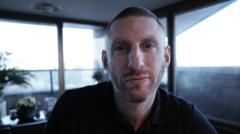
ADHD Charity Raises Concerns Over Channel 4 Documentary
A prominent ADHD charity has voiced significant concerns regarding Channel 4's recent documentary, bringing renewed attention to debates surrounding ADHD awareness and media representation. The program, which has generated substantial controversy since its release, continues to spark heated discussions within both the medical and advocacy communities about how the condition is portrayed on television.
Press Response and Critical Reception
Media outlets have responded strongly to the documentary's content, with one major newspaper describing Channel 4's offering as "the most controversial show of the year." This critical assessment underscores the polarizing nature of the program's messaging and the significant impact it has had on public discourse surrounding ADHD diagnosis and treatment approaches.
The Great ADHD Myth? Documentary Under Scrutiny
The documentary in question, titled "The Great ADHD Myth?," presents claims and perspectives that have generated considerable debate among professionals, patients, and advocacy organizations. The program's premise and assertions have prompted the ADHD charity to issue formal complaints, highlighting concerns about the accuracy and potential consequences of the documentary's narrative on public perception of the disorder.
Why ADHD Documentary Controversy Matters
The emergence of this ADHD charity controversy reflects broader tensions in how neurodevelopmental conditions are communicated through mainstream media. Documentaries and television programs that address mental health and neurological conditions carry significant responsibility, as they reach millions of viewers and can substantially influence public understanding, stigma levels, and individuals' willingness to seek professional diagnosis and support.
Implications for ADHD Awareness
This situation demonstrates the importance of ensuring that documentaries about ADHD and other health conditions are grounded in scientific evidence and produced in consultation with medical professionals and patient advocates. The ADHD charity's response indicates that media representations can have real-world consequences for individuals living with the condition, affecting everything from diagnosis rates to treatment access and social acceptance.
Broader Conversation on Television Standards
The Channel 4 documentary has become a focal point in discussions about editorial responsibility in broadcasting. As television continues to be a primary source of health information for many viewers, networks face growing pressure to balance presenting diverse perspectives with ensuring accuracy and avoiding potential harm to vulnerable populations.


