Carney Denounces Trump Tariffs as Strategic Error Amid Trade Dispute
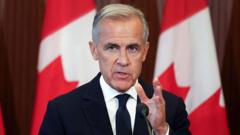
Carney's Strong Stance on Trade Tensions
Canada's leadership has firmly responded to what officials describe as Trump tariffs miscalculation, signaling a significant escalation in North American trade relations. The announcement came amid growing frustration over the breakdown of diplomatic negotiations between the two countries, with officials expressing deep concerns about the direction of bilateral commerce.
The Prime Minister articulated his position with measured but firm language, indicating that the Canadian government would pursue defensive measures in response to the American trade actions. This development marks a critical juncture in ongoing discussions about cross-border commerce and economic cooperation between the neighboring nations.
Understanding the Trade Dispute Dynamics
The collapse of recent negotiations has created an environment of uncertainty that extends beyond government circles into the business community on both sides of the border. The Trump tariffs miscalculation, as characterized by Canadian officials, represents what they view as a fundamental misunderstanding of the economic interdependencies that bind the two nations together.
Trade relationships between the United States and Canada have historically been complex, involving intricate supply chains that support millions of jobs across industries ranging from automotive manufacturing to agriculture. The current dispute threatens to disrupt these established patterns of commerce that have been developed over decades.
Retaliatory Measures and Canadian Response
Canada's announcement of retaliatory tariffs comes after extensive deliberations within government circles about the appropriate response to American trade actions. Officials indicated they did not arrive at this decision lightly, acknowledging the difficult position created by what they characterize as aggressive trade policies from Washington.
The Canadian government has compiled a comprehensive list of American goods and services that would face new tariffs, targeting sectors with significant economic importance to both nations. These measures are designed to create incentives for renewed negotiations while protecting Canadian economic interests and workers whose livelihoods depend on stable trade relationships.
Economic Impact and Business Concerns
Business leaders across both countries have expressed alarm about the escalating Trump tariffs miscalculation and its potential consequences for economic growth. Companies with operations spanning the border face significant challenges as they attempt to navigate the changing regulatory landscape and assess the impact on their supply chains.
Small and medium-sized enterprises are particularly concerned, as they lack the resources to quickly adapt to tariff changes or relocate operations. Agricultural producers, manufacturers, and service providers are all bracing for potential market disruptions that could affect sales, employment, and investment decisions.
The Path Forward and Diplomatic Considerations
Despite the tensions evident in the public statements from Canadian officials, there remains a possibility that diplomatic channels could facilitate renewed discussions. Both nations share profound economic interests and recognize the mutual benefits of stable trade relationships that have evolved since the implementation of continental trade agreements.
However, the current impasse suggests that meaningful negotiations will require significant movement from the American administration. Canadian officials have made clear that they expect acknowledgment of their concerns and a willingness to reconsider the tariff strategy that has created this crisis.
Broader Implications for Continental Trade
The Trump tariffs miscalculation represents a watershed moment for North American commerce, with implications that extend beyond bilateral relations between Canada and the United States. Mexico, as another major trading partner of the United States, watches these developments closely, recognizing that patterns established now could influence future trilateral relationships and agreements.
Industry analysts suggest that the current dispute could serve as a catalyst for broader reconsideration of trade policies throughout the region. The coming weeks and months will be critical in determining whether negotiators can find a path back to collaborative approaches or whether the region faces an extended period of trade conflict and economic uncertainty.
The Canadian government's firm stance reflects a determination to protect national economic interests while signaling openness to constructive dialogue. Officials have indicated their willingness to participate in serious negotiations that address underlying concerns and restore a more cooperative trading environment.


